No model yet, material choice and wall thickness are explained from a practical angle.
Knowledge Center
Blueprint News
lantu3D reviews wall thickness, structure, materials, process, quantity and finishing before quotation.
01Guides
02Materials
03Customer View
Content should help customer decisions
lantu3D articles focus on materials, processes, cost, modeling and manufacturability so customers understand key decisions before submitting a request.
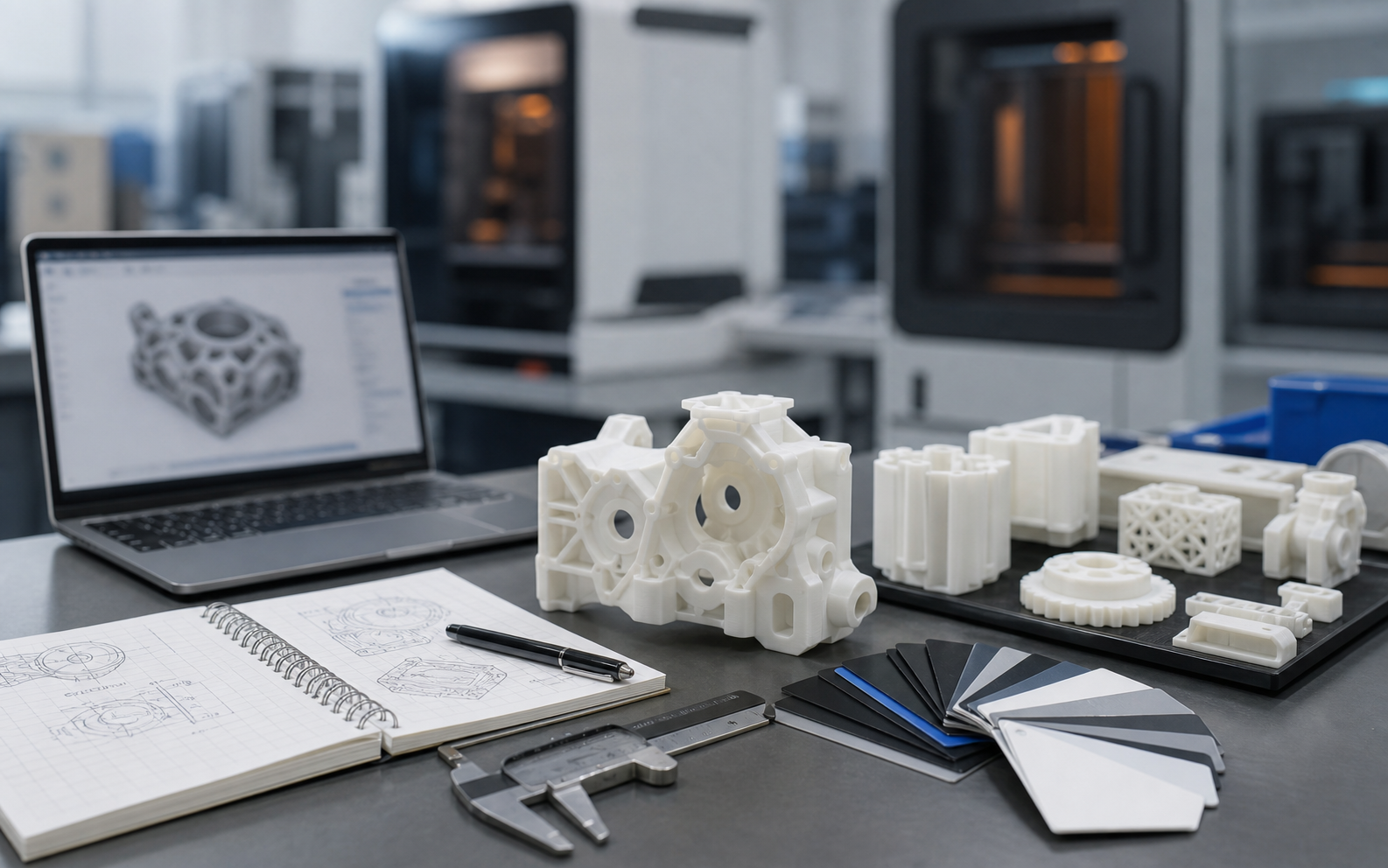
Prototype, fixture, custom part, small batch and cost-control topics for business users.
lantu3D is positioned as blueprint realization and lifecycle management, not just a print shop.
news
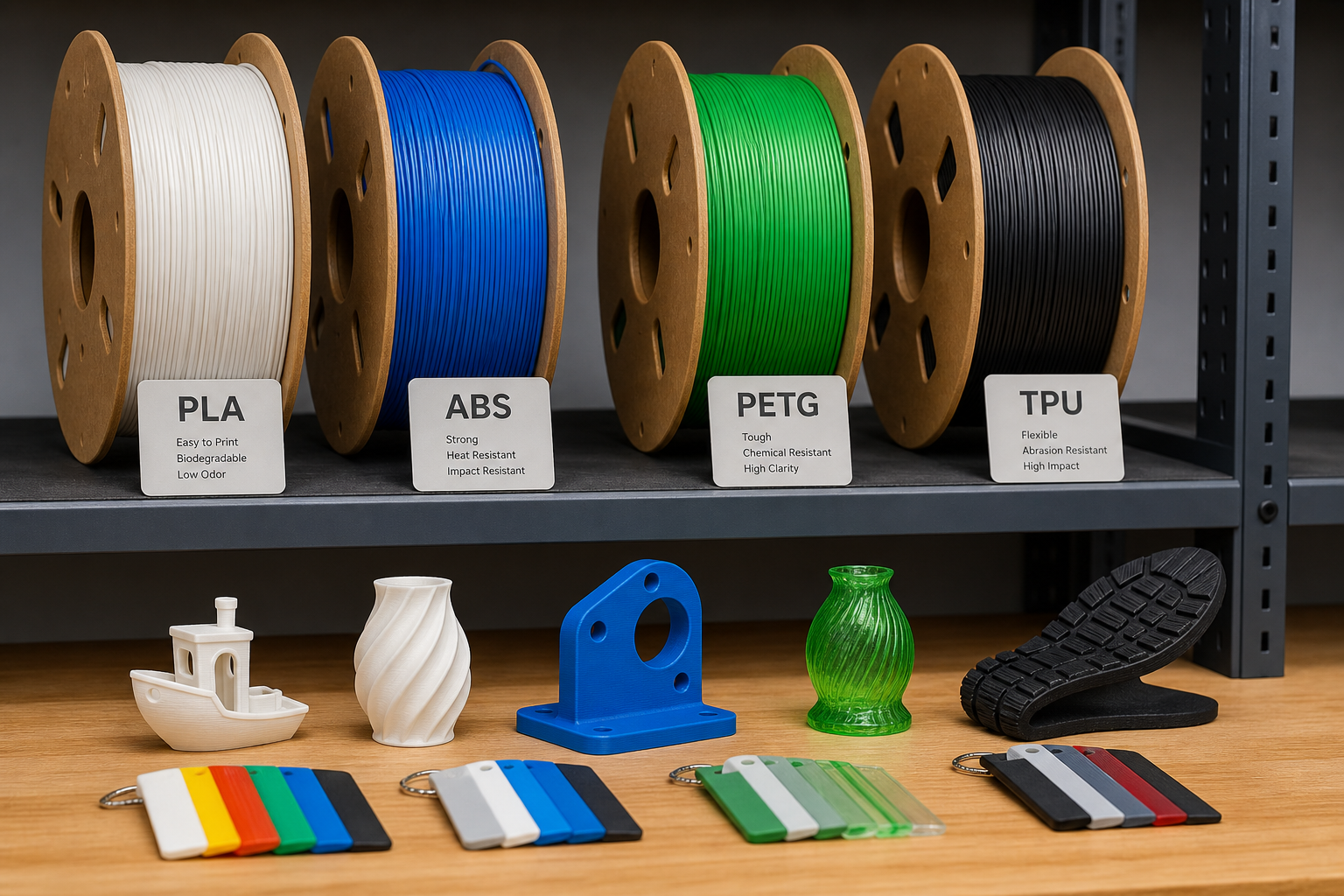
FDM 3D Printing Filament Performance Map: Engineering Properties and Use Cases of PLA, ABS, PETG, and TPU
Selecting FDM filaments is an engineering tradeoff among service temperature, load type, assembly requirements, and post-processing needs. PLA delivers the best dimensional accuracy and easiest printing, but its heat resistance is limited. ABS offers better thermal resistance and impact toughness, though it requires tighter environmental control to prevent warping. PETG balances strength, toughness, and printability, making it a practical choice for most functional parts. TPU is the preferred option for flexible, wear-resistant, and shock-absorbing components. This guide compares the four materials from a practical engineering perspective and helps match material properties to prototypes, fixtures, and end-use parts more efficiently.

news
Metal 3D Printing Powder Management Standard: A Complete Workflow from Storage and Reclamation to Quality Control
This article outlines a complete powder management workflow for metal additive manufacturing, focusing on storage, recovery, sieving, traceability, and key quality metrics. In SLM/LPBF, powder condition directly affects spreadability, melt pool stability, porosity, density, and mechanical performance. The article explains practical controls for temperature, humidity, inert storage, recycling limits, contamination prevention, and batch-level tracking, and highlights how oxygen content, particle size distribution, flowability, and morphology determine consistent part quality in high-reliability production.
news
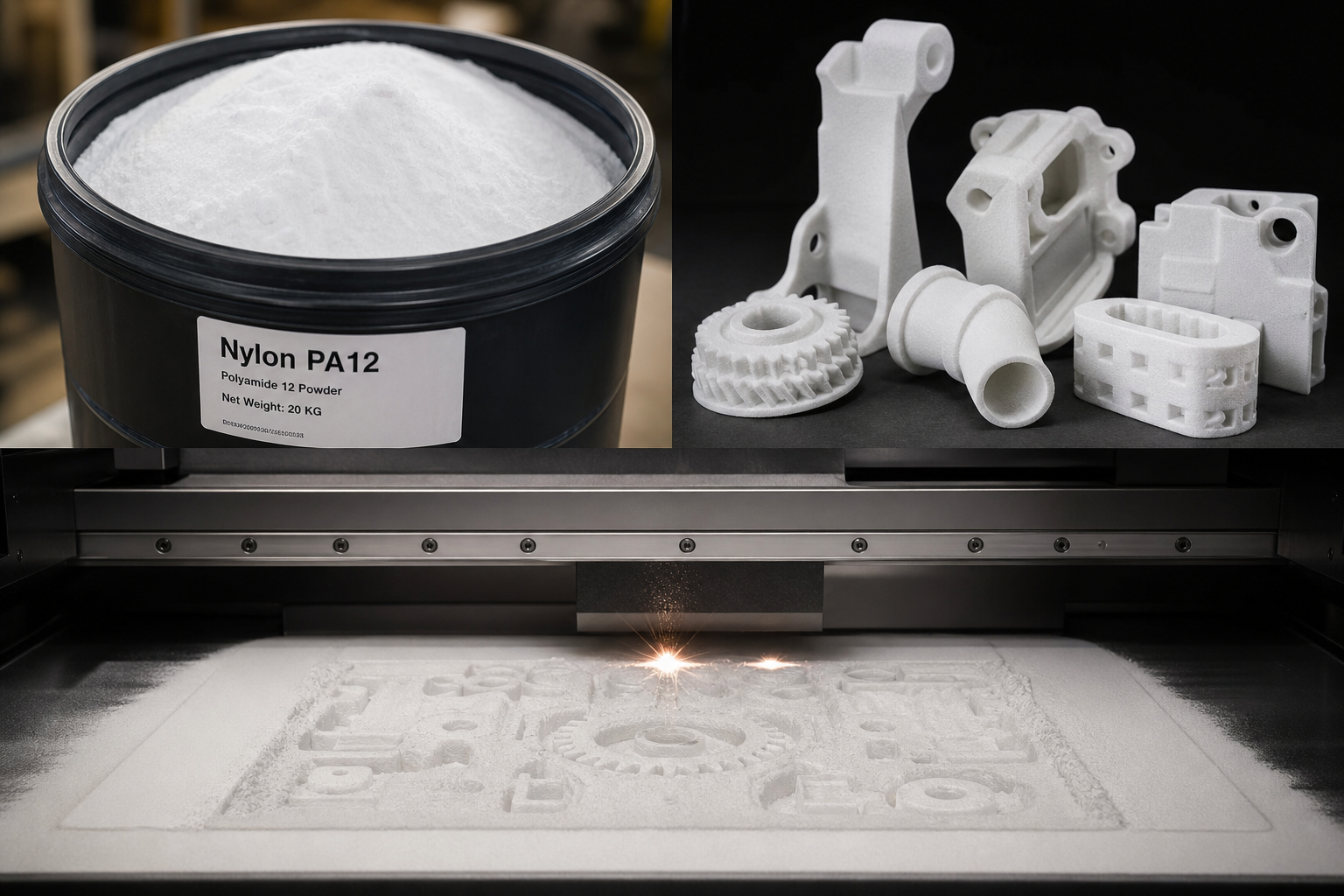
SLS Nylon Powder Material Performance Comparison: Engineering Application Selection of PA12, PA11, and Composite Nylon
This article compares the engineering performance of common SLS nylon powders from a practical selection perspective. It explains how PA12, PA11, and glass-/carbon-fiber reinforced nylons differ in strength, stiffness, elongation, impact resistance, heat resistance, moisture sensitivity, dimensional stability, processability, and total cost. Rather than choosing a material by strength alone, the right approach is to match the material to the operating conditions and failure mode. PA12 offers balanced performance and stable processing, PA11 is better for toughness, impact resistance, and low-temperature or fatigue-prone parts, while reinforced nylons are preferred for high stiffness, load-bearing structures, and tighter dimensional control.
news
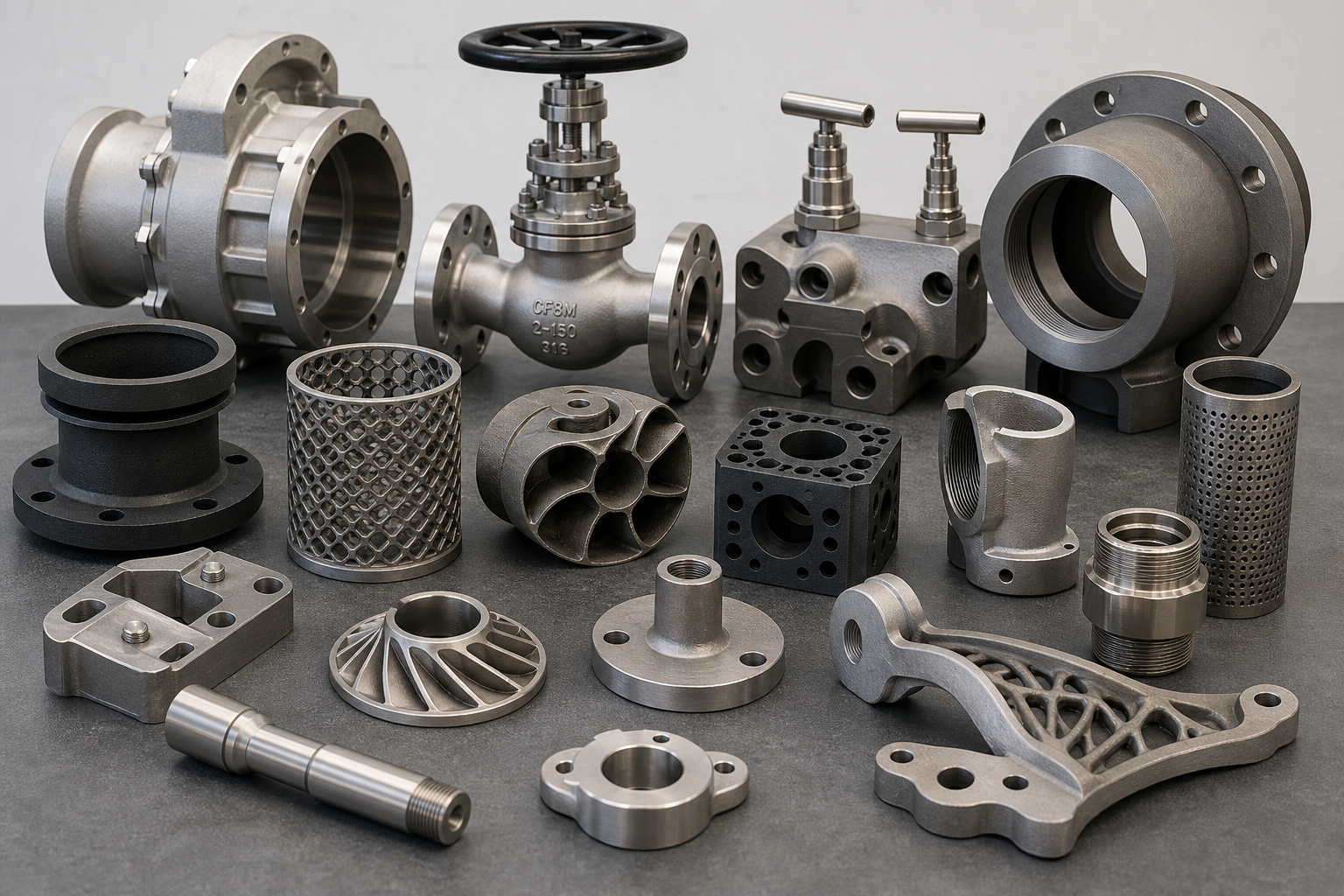
Material Selection and Life Prediction of 3D-Printed Corrosion-Resistant Components in the Energy Industry
The energy sector (oil and gas, nuclear power, wind power) has extremely high requirements for corrosion-resistant components, and 3D printing offers design freedom that traditional manufacturing cannot achieve. This article systematically introduces corrosion-resistant material selection, printing process optimization, and methods for building life prediction models.
news
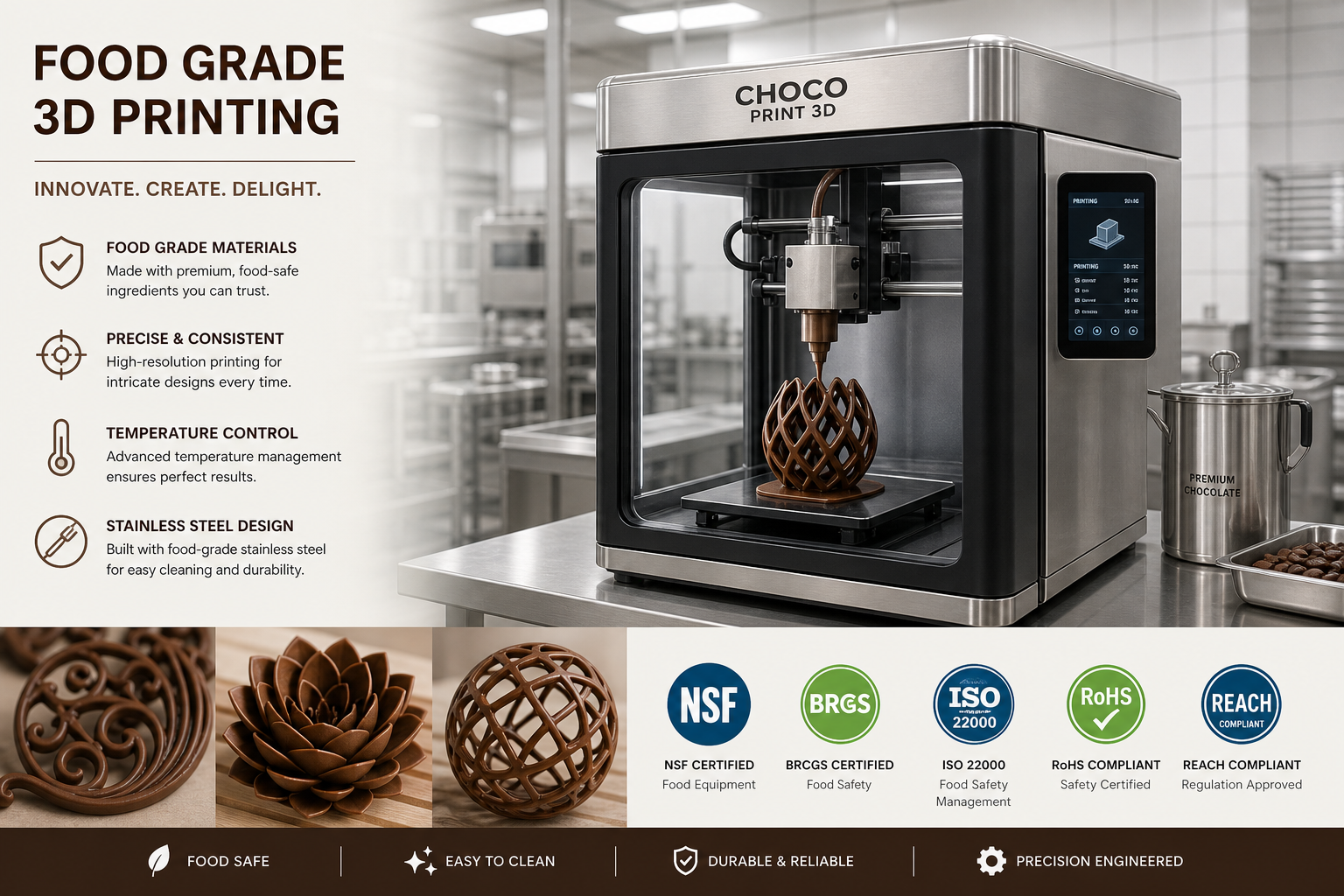
Quality Control System and Hygiene Certification Standards for Food-Grade 3D Printing
Food-grade 3D printing is transforming food manufacturing, from chocolate printing to personalized candies, with applications continuing to expand. This article systematically introduces material certification, equipment hygiene standards, production environment control, and traceability systems for food-grade 3D printing.
news
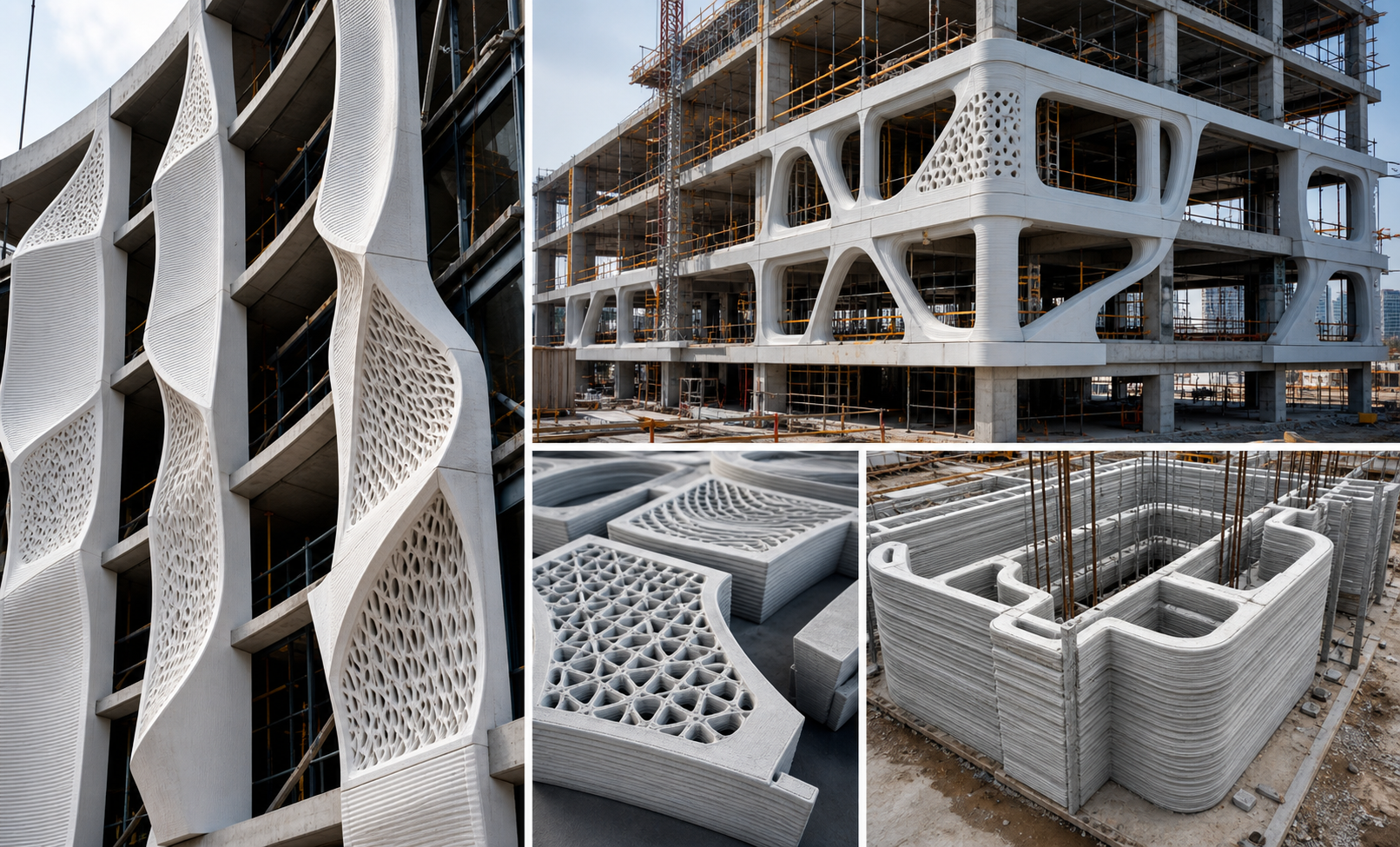
Scaled Production of 3D-Printed Formwork and Irregular Components in the Construction Industry
The construction industry is becoming an important application area for 3D printing technology. From irregular decorative components to construction formwork, 3D printing is changing traditional building manufacturing models. This article systematically introduces material selection, process design, and quality control methods for architectural 3D printing.

news
Data Security System for 3D Printing Services: File Encryption and Storage Management
3D model files contain a customer’s core intellectual property, making data security the lifeline of any 3D printing service. This article systematically introduces how to build a data security framework through file encryption, access control, storage management, nondisclosure agreements, and other measures.

news
Logistics Solutions and Tariff Optimization for Cross-Border 3D Printing Services
Cross-border 3D printing services face multiple challenges, including logistics lead times, tariff costs, and customs compliance. This article systematically explains how to choose international logistics solutions, classify HS codes, and use free trade agreements to optimize tariff costs.
news
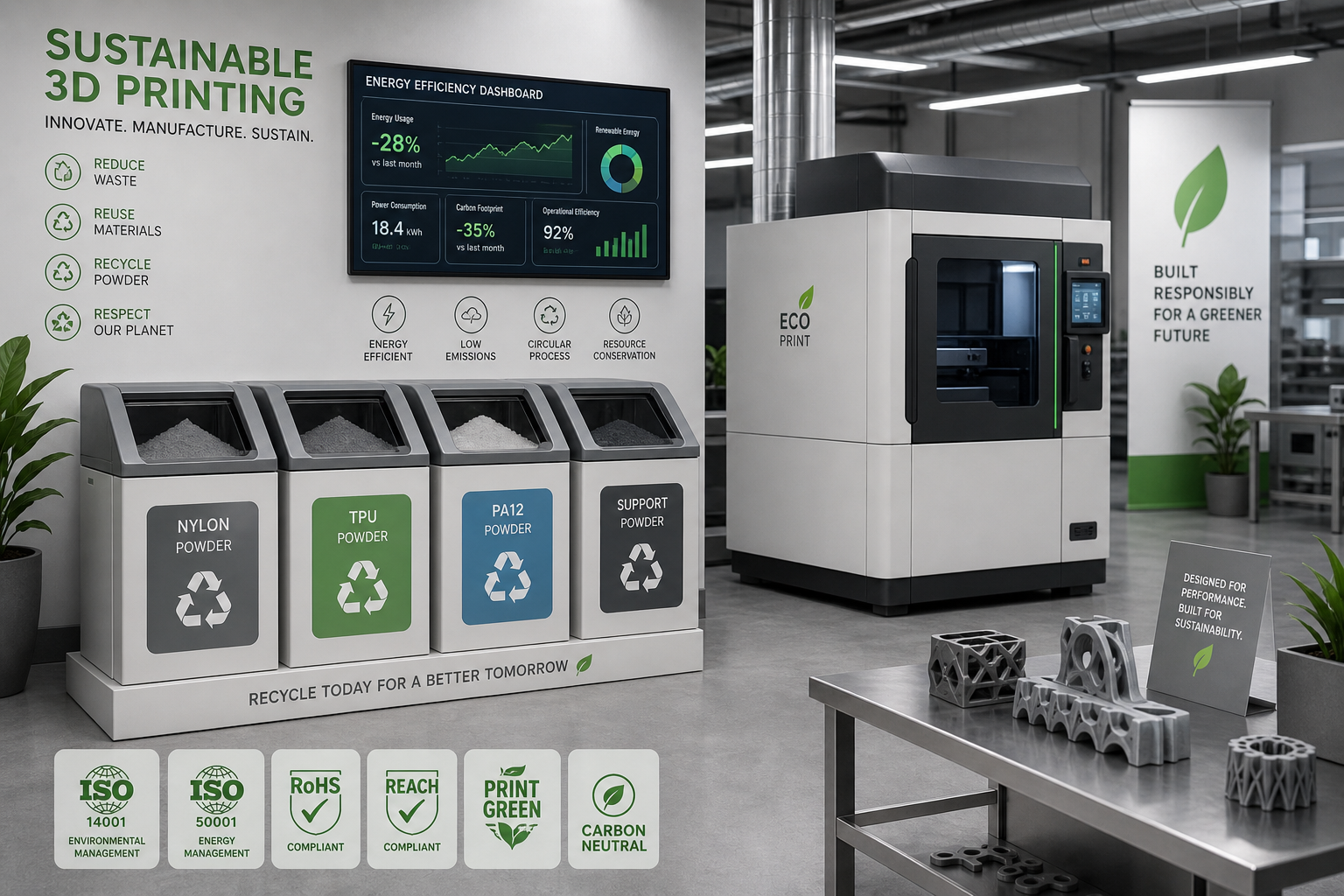
Environmental Compliance and Sustainable Manufacturing Practices for 3D Printing Services
Environmental compliance has become a basic requirement in manufacturing. How can 3D printing services achieve sustainable manufacturing? This article systematically introduces environmental practices such as material recycling, energy management, waste disposal, and carbon footprint accounting.
news
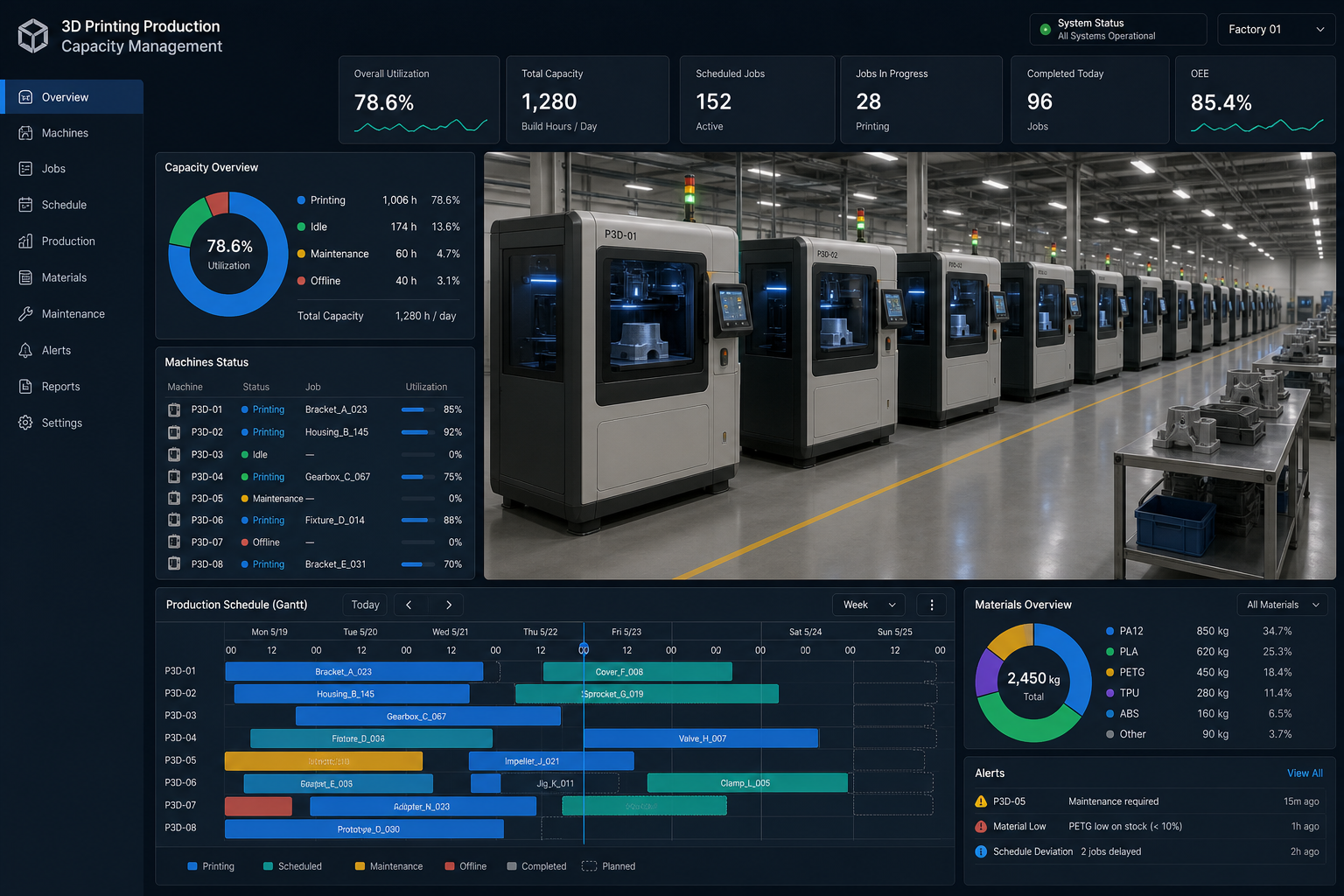
Capacity Flexibility Management Strategies for 3D Printing Under Seasonal Demand Fluctuations
Demand for 3D printing services shows clear seasonal fluctuations, making capacity flexibility management a core challenge for service providers. This article systematically explains demand forecasting, flexible capacity allocation, and how to build an outsourcing collaboration network.
news
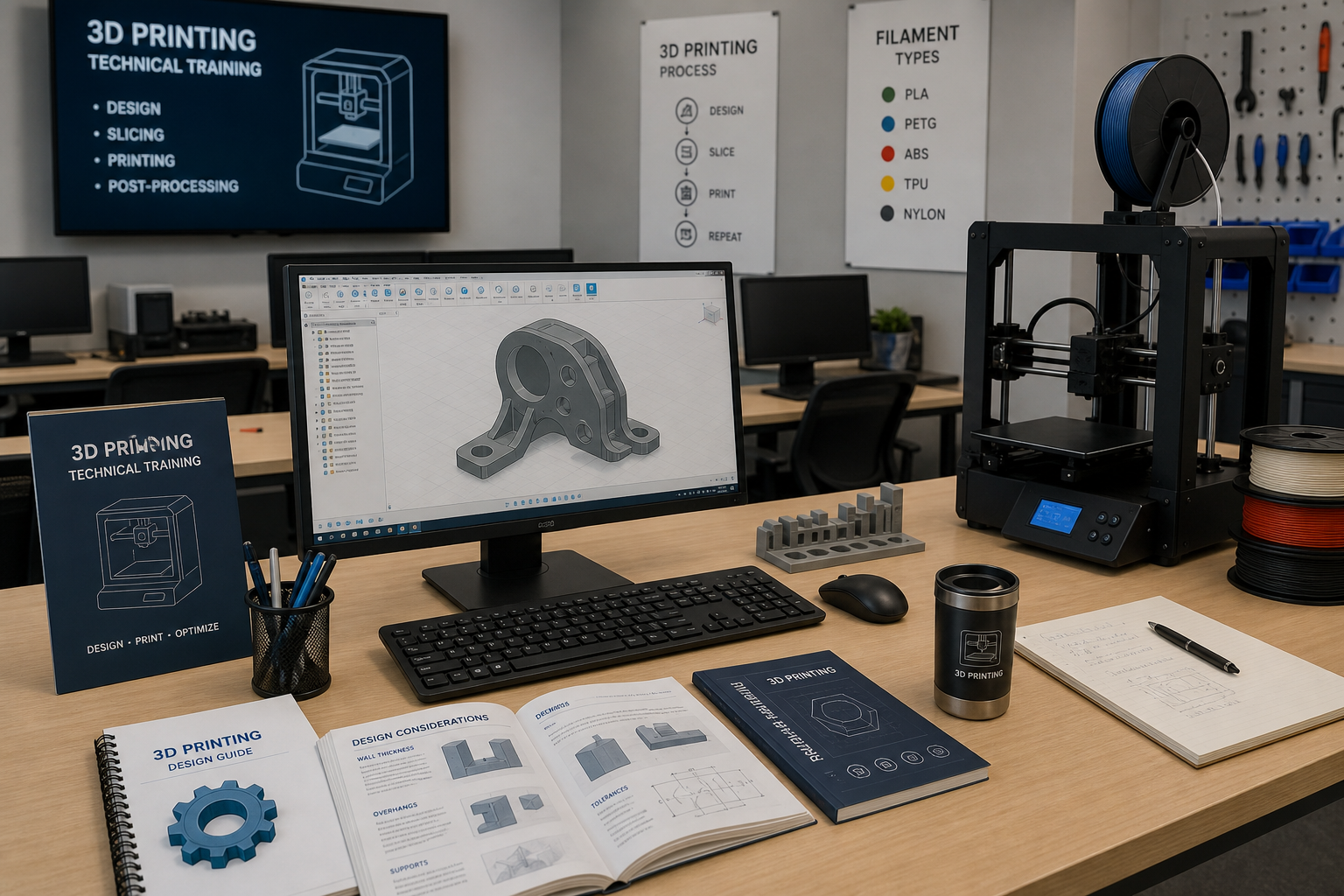
Technical Training System for 3D Printing Services: Empowering Clients' Independent Design Capability
Professional 3D printing service providers are not just manufacturing executors; they are enablers of client design capability. This article explains how to build a systematic technical training system to help clients master design-for-manufacturability principles and improve their independent design abilities.
news
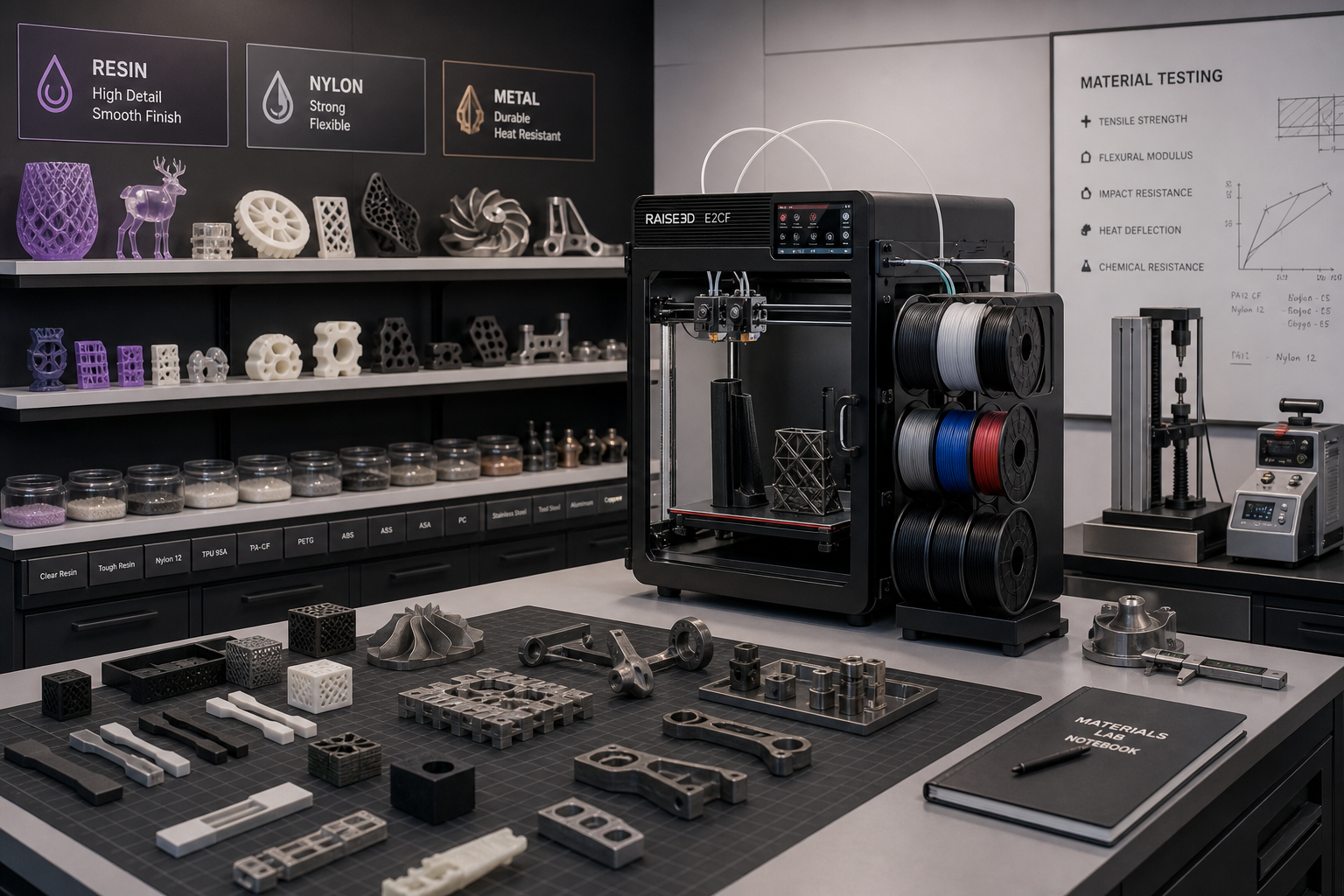
Project Management for Multi-Material Combination Printing: From Requirement Decomposition to Delivery Acceptance
Multi-material combination printing is a high-end capability in 3D printing services, but it also introduces complex project management challenges. This article systematically introduces the full-process project management methods from requirement analysis and material matching to process planning and delivery acceptance.
Start From Here
Have a model, drawing, or only an idea?
Submit your requirement and our engineers will recommend a better design and manufacturing path based on use, size, quantity, material, tolerance and lead time.