No model yet, material choice and wall thickness are explained from a practical angle.
Knowledge Center
Blueprint News
lantu3D reviews wall thickness, structure, materials, process, quantity and finishing before quotation.
01Guides
02Materials
03Customer View
Content should help customer decisions
lantu3D articles focus on materials, processes, cost, modeling and manufacturability so customers understand key decisions before submitting a request.
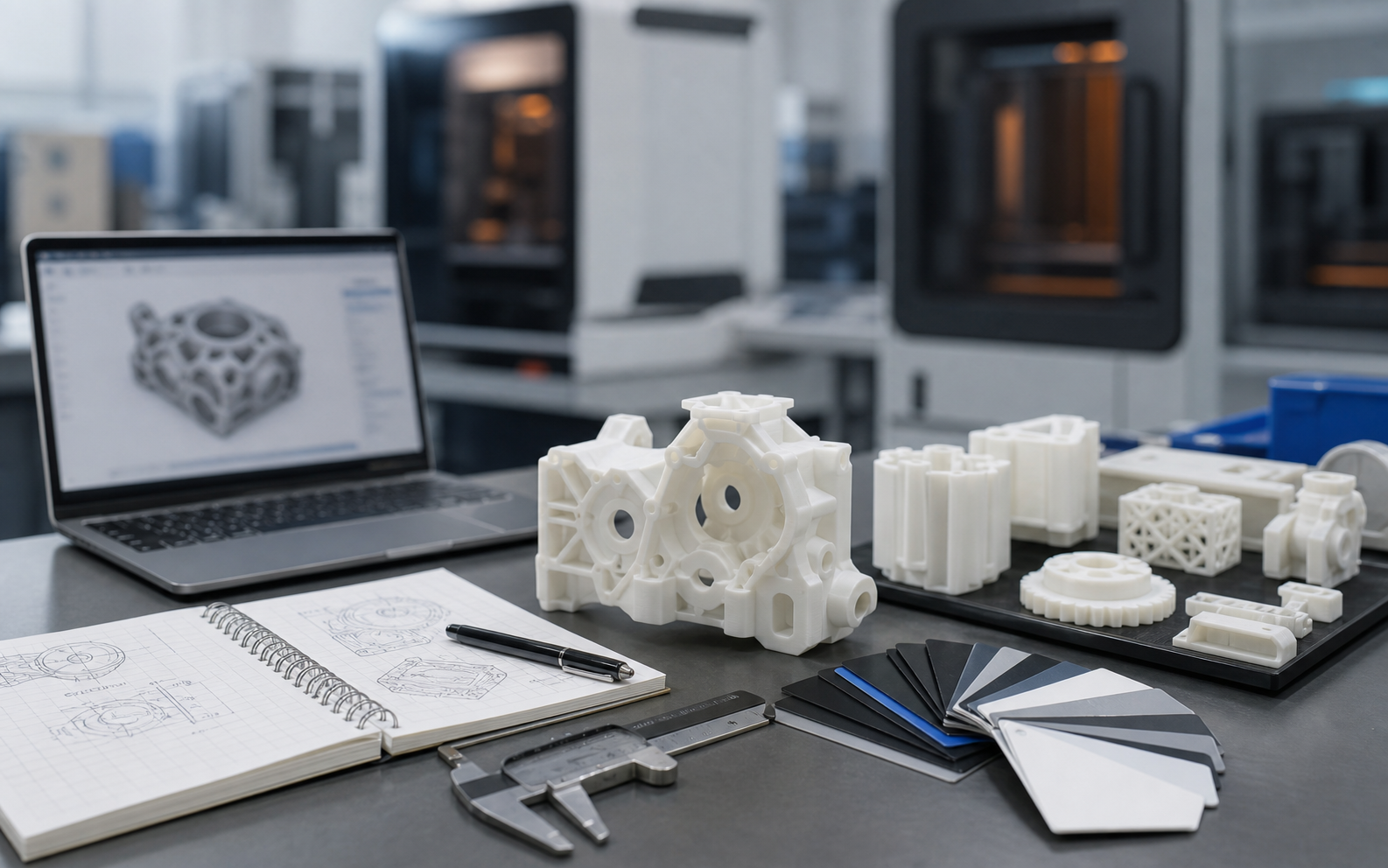
Prototype, fixture, custom part, small batch and cost-control topics for business users.
lantu3D is positioned as blueprint realization and lifecycle management, not just a print shop.
news
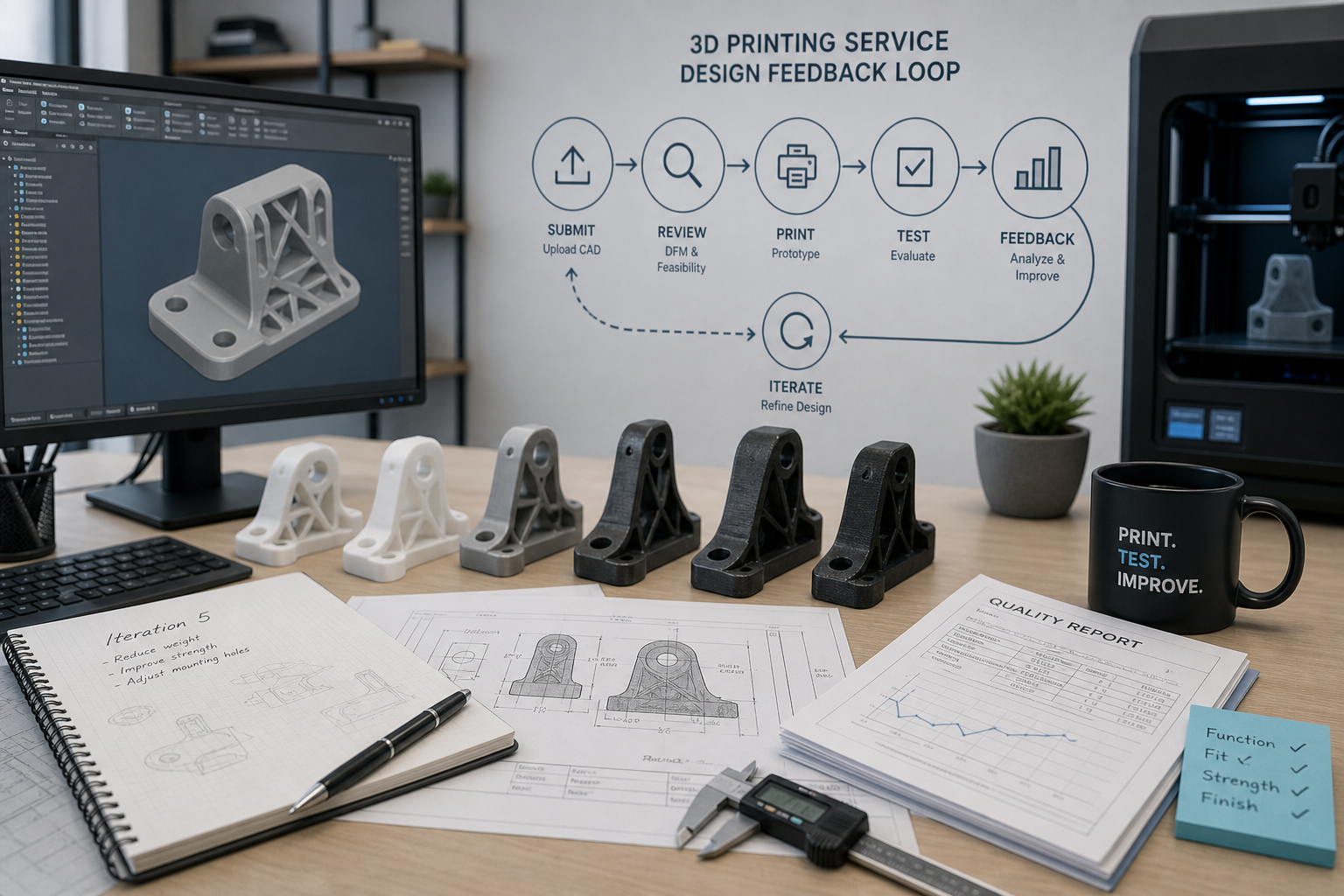
Design Feedback Loop in 3D Printing Services: How Every Iteration Creates Value
A design feedback loop is the core competitive advantage of 3D printing services. This article systematically explains the complete loop from requirement understanding, design review, and prototype validation to solution optimization, and shows how knowledge accumulation can make every iteration create long-term value.
news
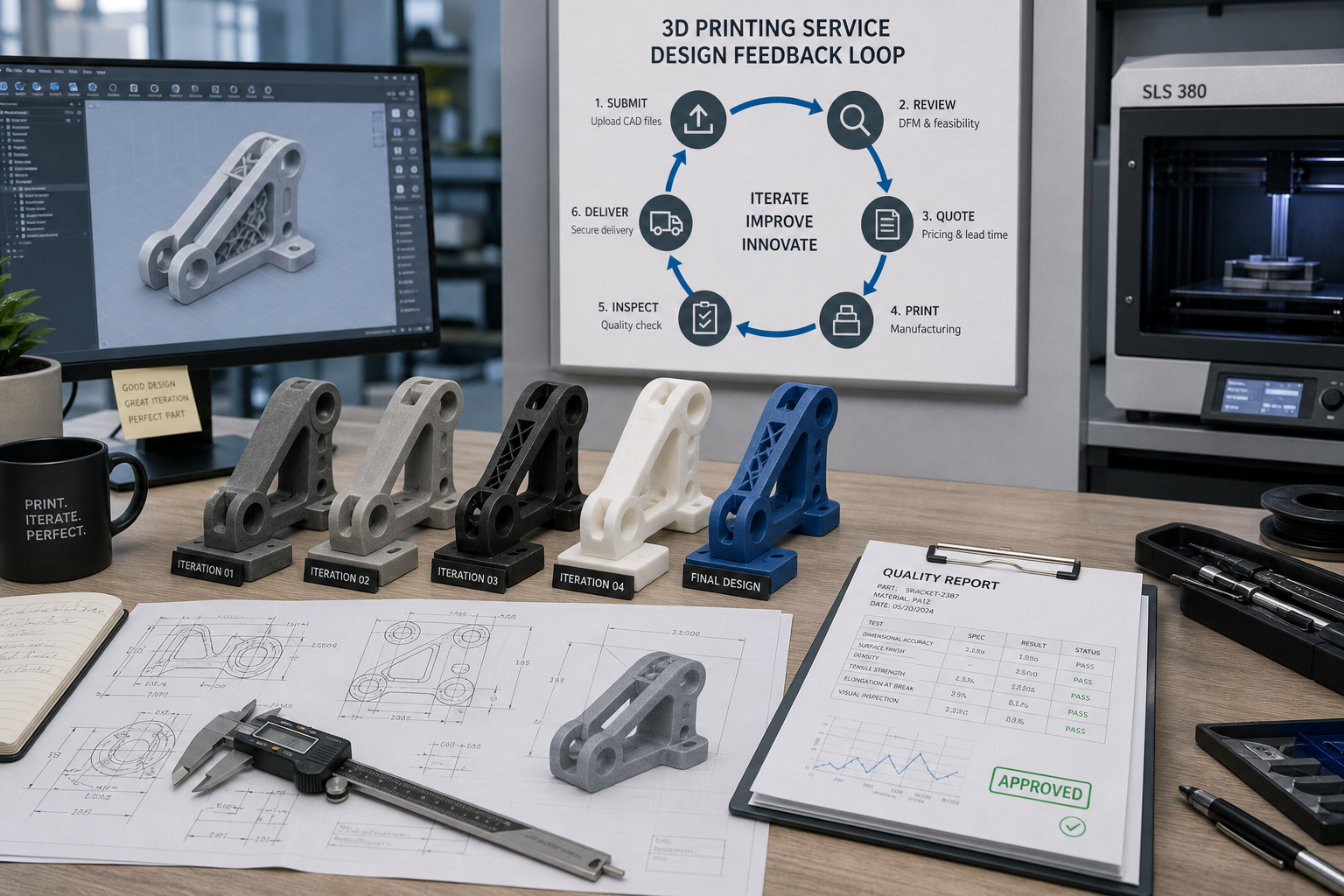
The Design Feedback Loop in 3D Printing Services: How Every Iteration Creates Value
The design feedback loop is a core competitive advantage in 3D printing services. This article systematically explains the complete loop from requirements understanding, design review, and prototype validation to solution optimization, as well as how to create long-term value from every iteration through knowledge accumulation.
news
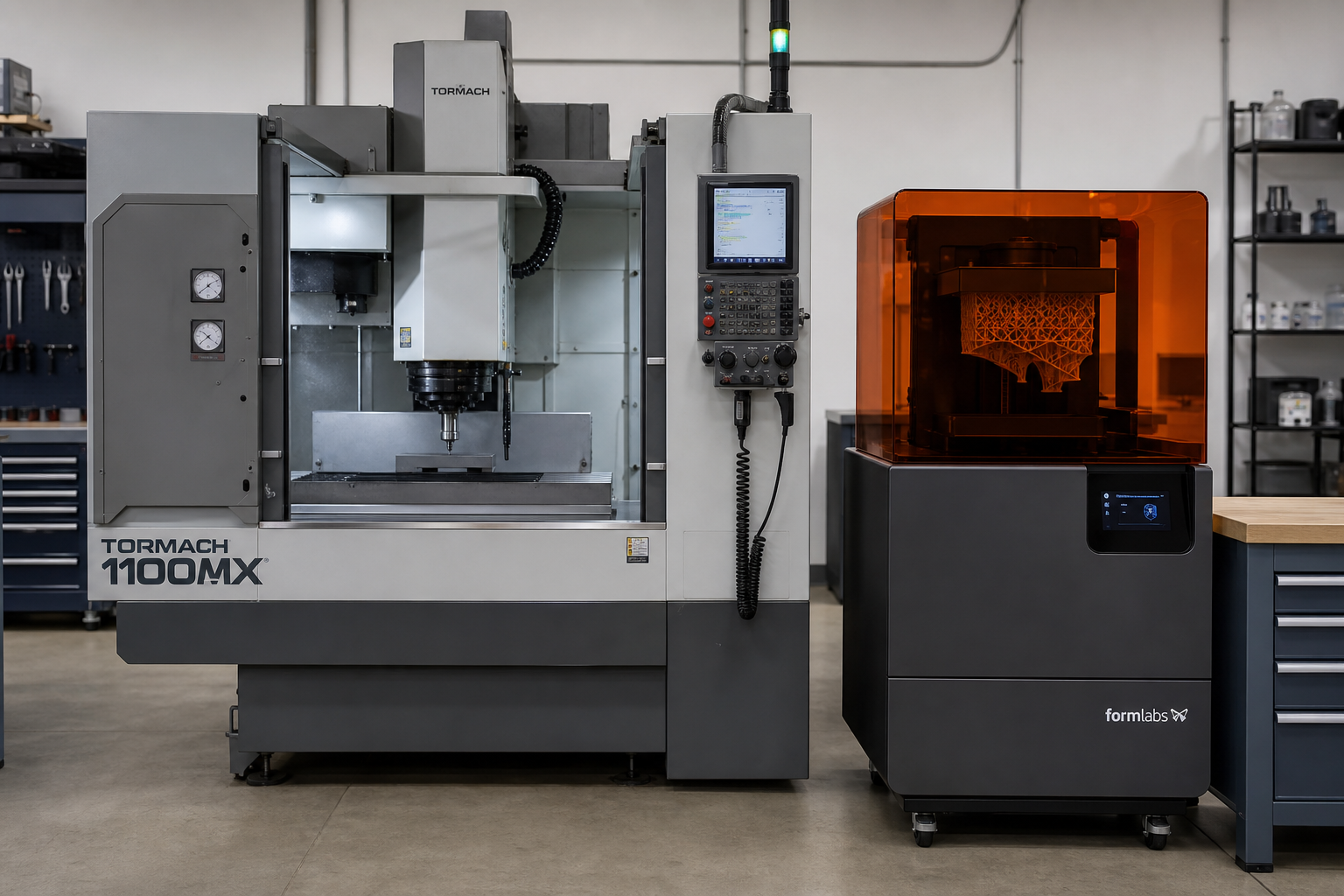
3D printing and traditional CNC hybrid manufacturing model: process selection and cost cut-off point analysis
Introduction: Hybrid manufacturing is the future of manufacturing 3D printing and traditional CNC machining have their own advantages and disadvantages: 3D printing is good at complex shapes, lightweight structures, and rapid prototyping, but it is not as good as CNC machining in terms of accuracy, surface quality, and material performance; CNC machining has high precision, high surface quality, and a mature process system, but it is not capable of complex inner cavities, conformal cooling, and customized production. Hybrid manufacturing, which combines the two, is becoming a mainstream choice for high-end manufacturing. By properly allocating tasks between the two processes, hybrid manufacturing can...
news
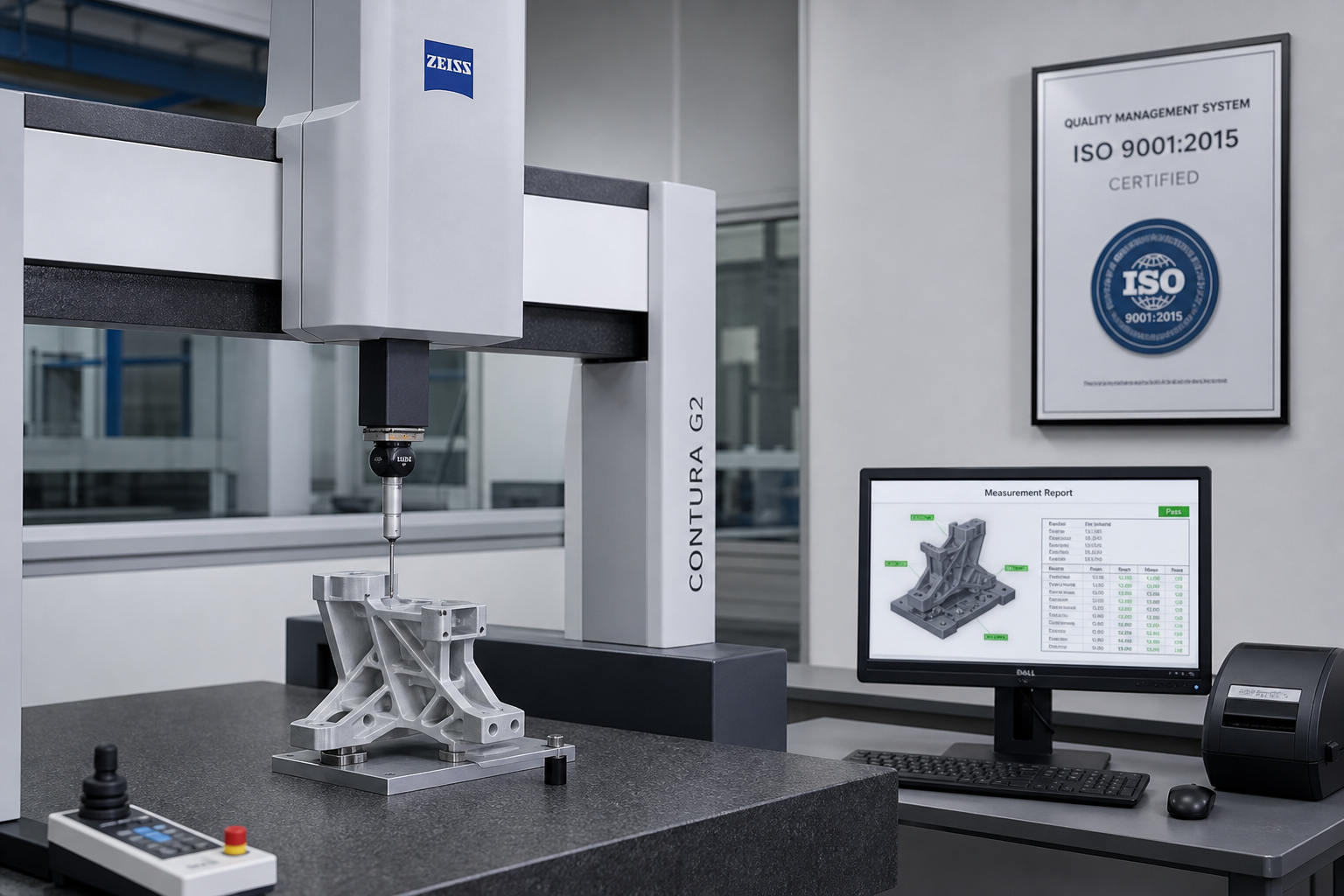
Quality management system for industrial-grade 3D printing: Implementation of ISO 9001 in additive manufacturing
Introduction: Quality management system is the only way for 3D printing to move towards industrialization The key obstacle to moving 3D printing technology from prototyping to mass production is not speed or cost, but consistency and reliability of quality. After a century of development, traditional manufacturing has established a complete quality management system (such as ISO 9001, IATF 16949, etc.). As an emerging technology, 3D printing’s quality management methods are still being continuously explored and improved. For manufacturing companies that want to apply 3D printing to industrial production, establishing a quality management system that meets international standards is not only a requirement of customers, but also a requirement of the enterprise...
news
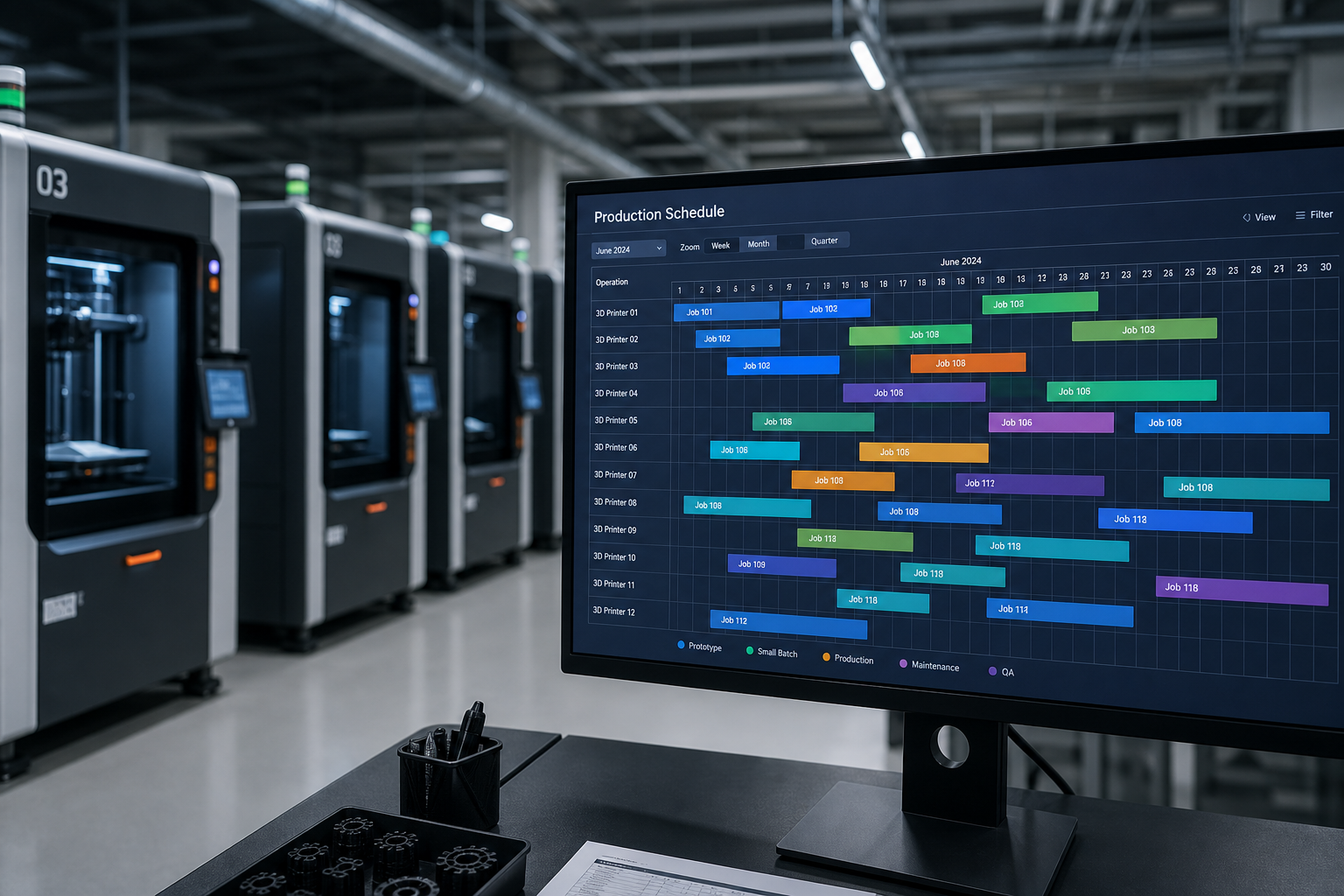
Production scheduling optimization for 3D printing service providers: multi-model parallelism and delivery prediction
Introduction: Production scheduling is the core competitiveness of 3D printing service providers Different from traditional subtractive manufacturing, 3D printing has unique production characteristics: many types of equipment, complex process parameters, different shapes of parts, and many post-processing links. These characteristics make 3D printing production scheduling more complex than traditional manufacturing. An excellent scheduling system can not only improve equipment utilization and shorten delivery cycle, but also significantly reduce energy consumption and material waste. For 3D printing service providers, production scheduling capabilities directly determine the company's profitability and customer satisfaction. This article will systematically introduce the production schedule optimization of 3D printing service providers...
news
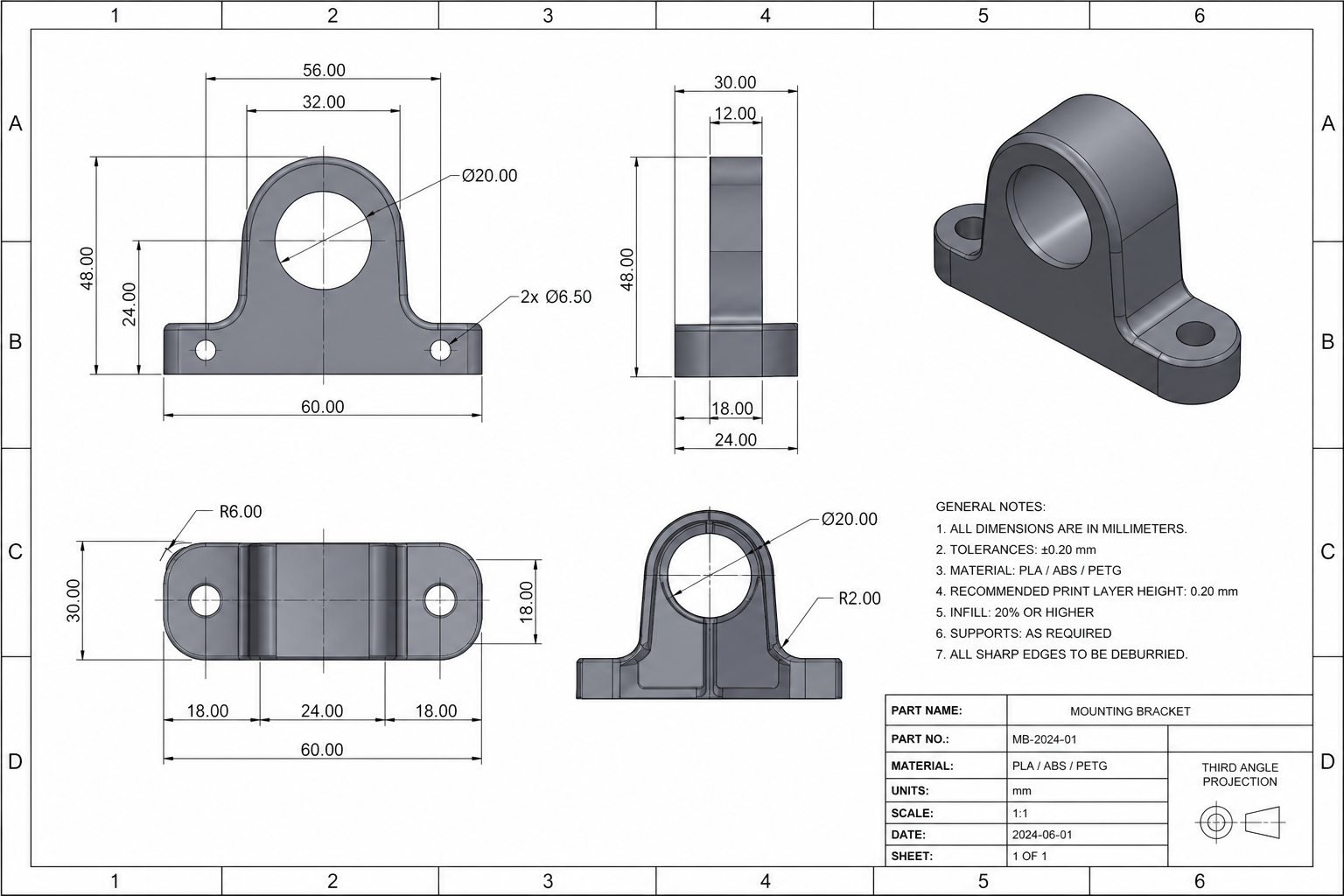
Digital management practice of 3D printing spare parts supply chain for automobile OEMs
Introduction to the digital management practice of 3D printing spare parts supply chain for automobile OEMs...
news
Sample preparation and compliance points of 3D printing in medical device registration inspection
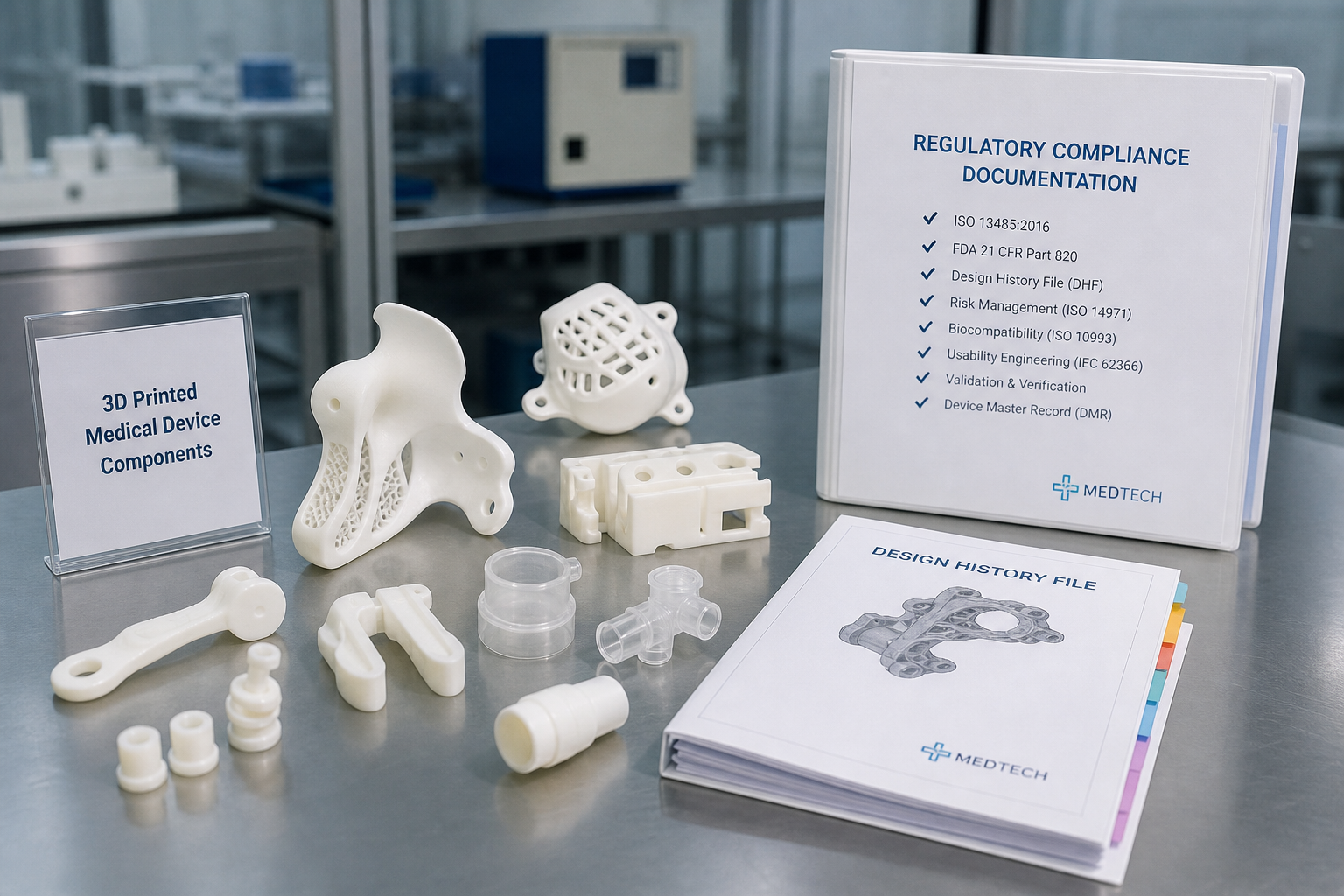
Introduction: The strategic value of 3D printing in medical device registration inspection Registration inspection of medical devices is one of the most critical steps before a product is launched, involving multiple tests such as biocompatibility, mechanical properties, electrical safety and clinical evaluation. Traditional manufacturing methods often face challenges of long cycles and high costs in the sample preparation stage. 3D printing technology, with its rapid prototyping and complex structure manufacturing capabilities, is becoming the preferred solution for sample preparation for medical device registration inspection. From surgical guides to implants, from in vitro diagnostic equipment to rehabilitation aids, 3D printing is profoundly changing the development and registration process of medical devices. This article will systematically...
news
Design criteria for lightweight lattice structures: balance between relative density and load-bearing capacity
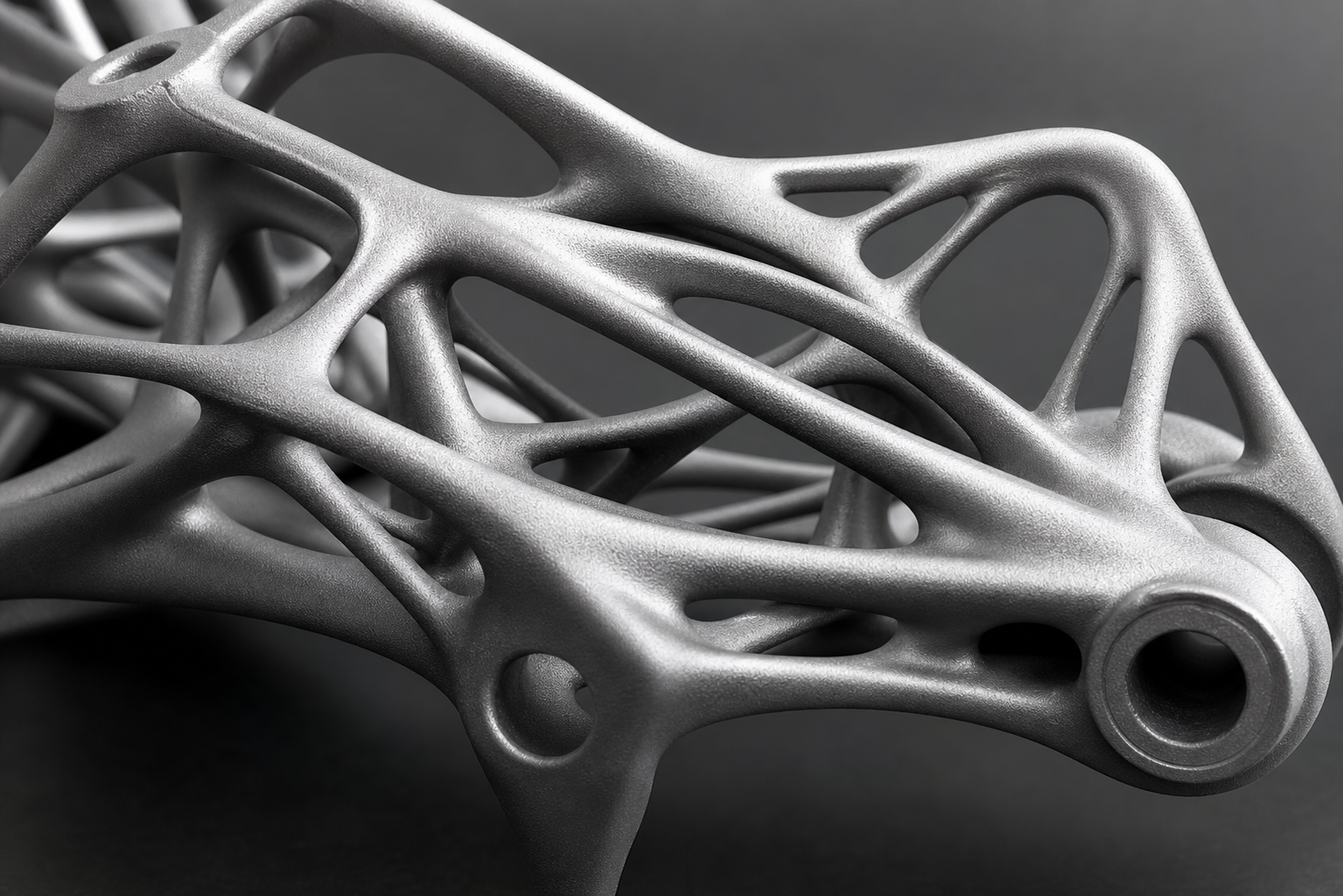
Introduction: Lattice structure makes 3D printing truly unique Lattice Structure is one of the most representative design features of additive manufacturing. By filling the parts with periodic or non-periodic microstructures, the lattice structure can significantly reduce weight while maintaining or even improving mechanical properties. This degree of design freedom that traditional manufacturing cannot achieve is the core value of 3D printing. From lightweight stents in aerospace to bone implants in medical, lattice structures are redefining the boundaries of engineering design. This article will systematically introduce the design of lightweight lattice structure...
news
Positioning reference design of 3D printed parts: machining allowance and clamping plan selection
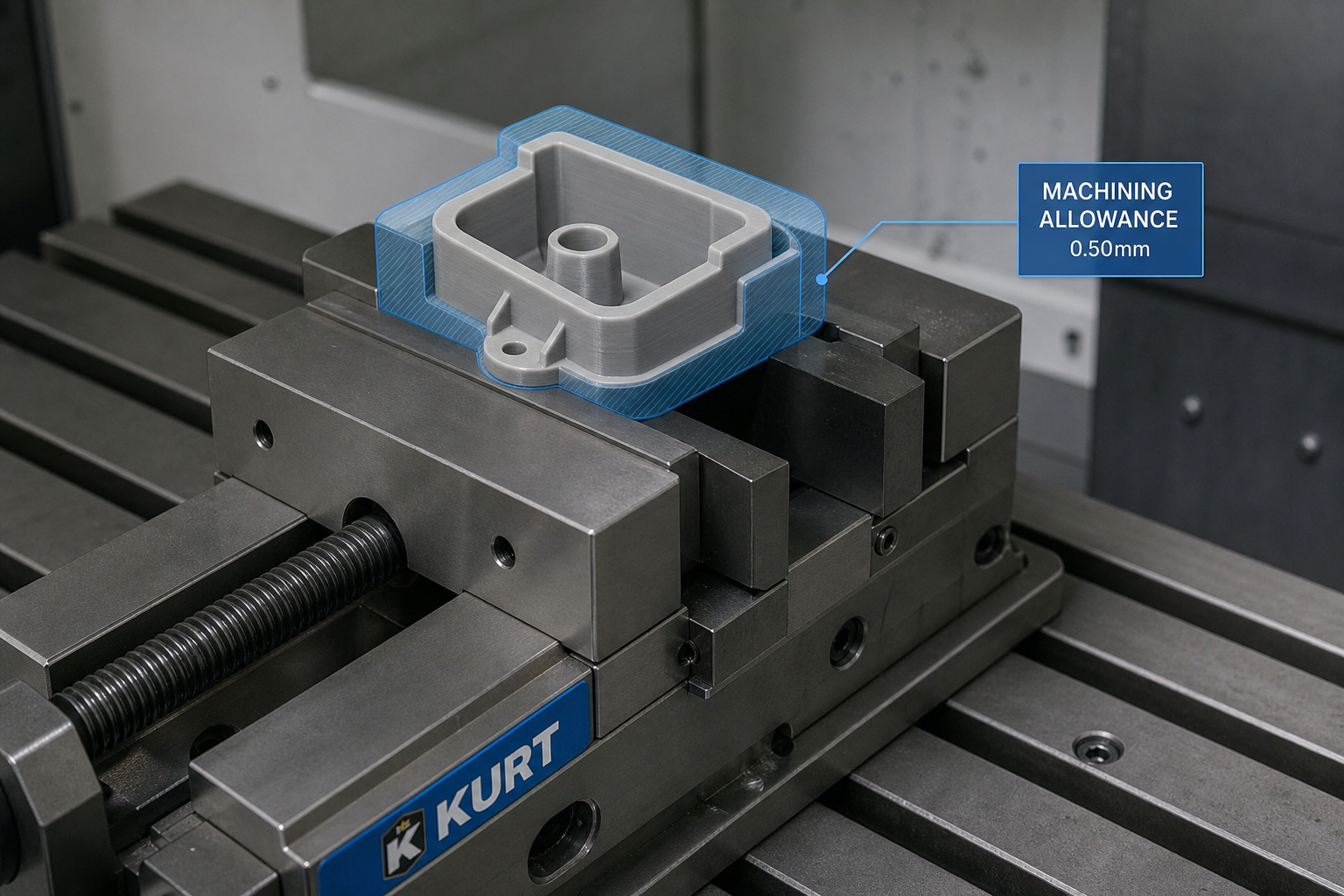
Introduction: Positioning datum is the basis of precision manufacturing After 3D printing parts are printed, they often require secondary processing—CNC finishing, drilling, tapping, assembly, etc. These subsequent processes all rely on accurate positioning datum (Datum). Different from traditional processing, the reference plane of 3D printed parts is usually not formed by processing, but printed, which brings a series of challenges such as reference accuracy, repeated positioning and design annotation. If the positioning reference design is unreasonable, even if the printed part itself is very precise, there may be deviations in subsequent processing. This article will systematically introduce the positioning datum of 3D printed parts...
news
Internal flow channel design for additive manufacturing: hydraulic and cooling channel optimization methods
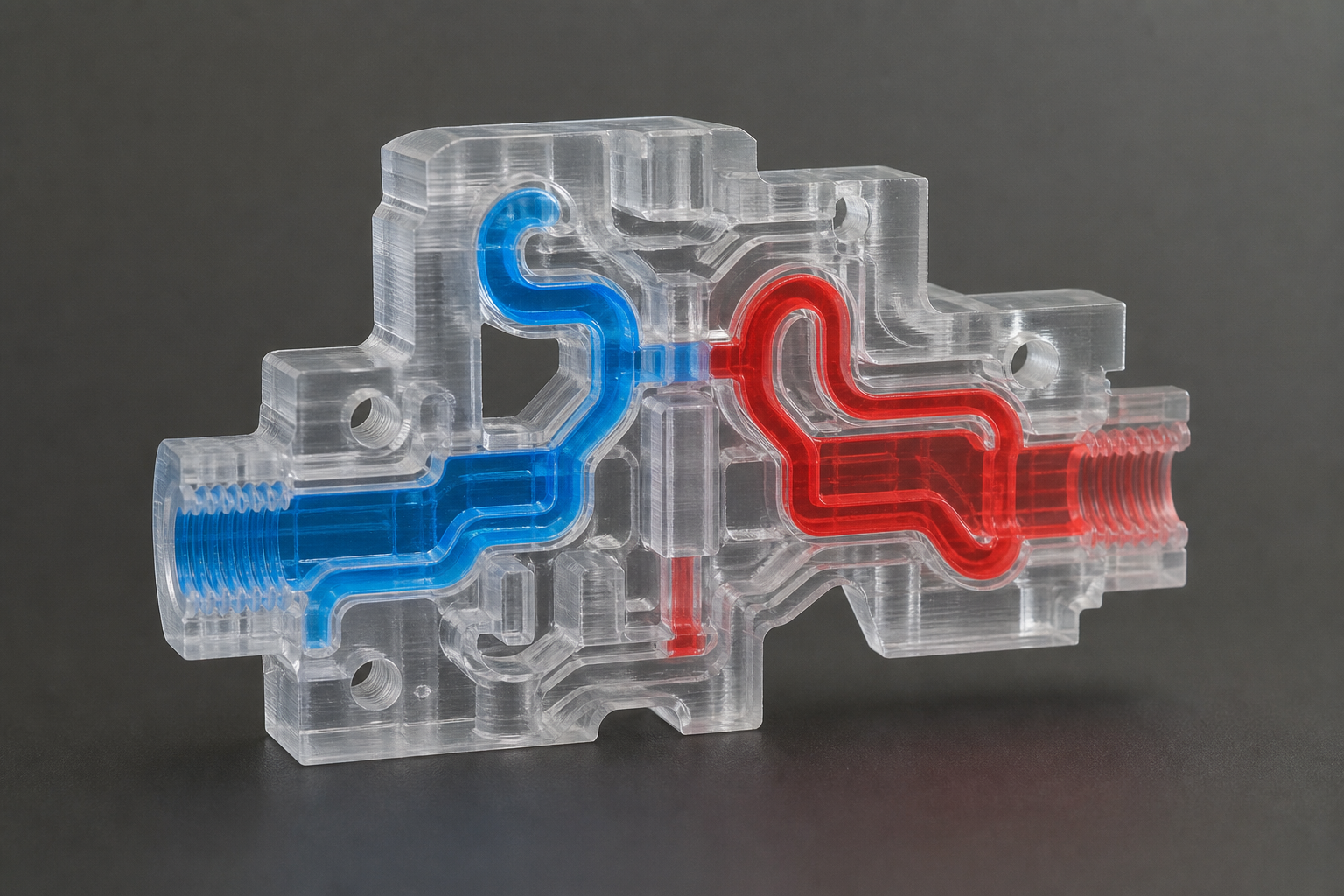
Introduction: Internal flow channel design is the core advantage of additive manufacturing Traditional manufacturing processes are limited by tool accessibility and mold structure, making it difficult to achieve integrated manufacturing of complex internal flow channels. The emergence of 3D printing technology has completely changed this situation, allowing designers to freely arrange cooling channels, hydraulic channels and air channels inside the parts, greatly improving heat exchange efficiency, reducing flow resistance and reducing weight. However, internal flow channel design is not without constraints—support removal, powder cleaning, surface roughness, and pressure drop control are all factors that require careful consideration. This article will systematically introduce the internal flow channel design method for additive manufacturing to help workers...

news
3D printing assembly gap design standards: shaft hole fit and sliding tolerance guide
Introduction: Assembly accuracy determines the success or failure of the product In industrial applications of 3D printing, parts are rarely used alone and most need to be assembled with other parts. The design of assembly clearance directly determines the assembly efficiency, smoothness of movement and long-term reliability of the product. Compared with traditional CNC machining, 3D printing has different accuracy characteristics - it is generally more accurate in plane dimensions, but has inherent errors in the Z-axis (layer thickness direction). This anisotropic precision characteristic makes the direct application of traditional machining gap standards often lead to assembly failure. This article will provide a set of applicable...
news
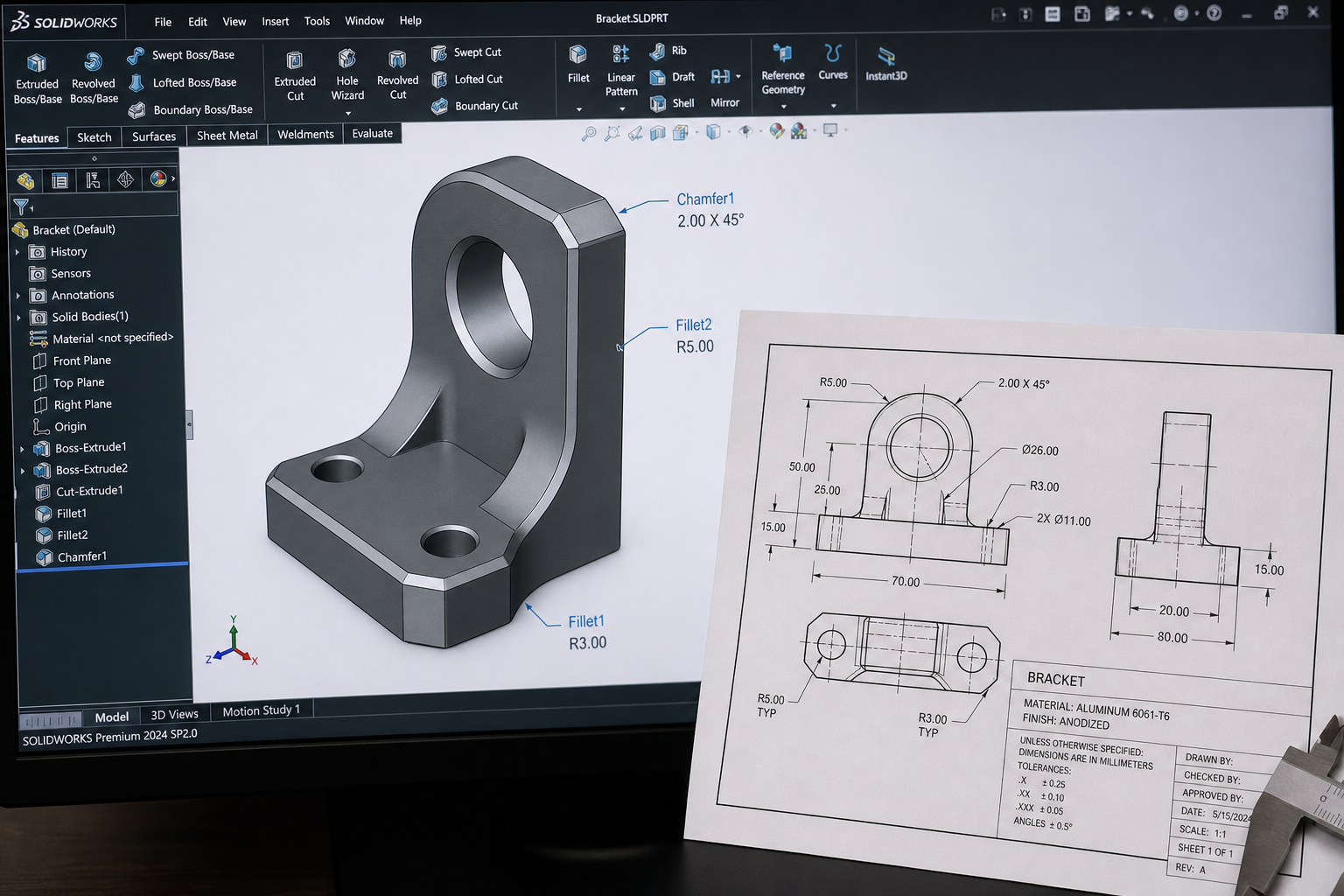
Design specifications for fillets and chamfers of 3D printed parts: engineering practice to reduce stress concentration
Introduction: Why fillet and chamfer design is so important In the design of 3D printed parts, fillet and chamfer are not only aesthetic considerations, but also key design elements that affect the structural strength of the part, printing success rate and post-processing efficiency. Compared with traditional CNC machining, the 3D printing process has its unique advantages and limitations in sharp angle processing. This article will systematically analyze the design principles of fillets and chamfers in 3D printed parts from the perspective of engineering practice, helping engineers make more reasonable decisions in design. Stress concentration principle and failure analysis of 3D printed parts Mechanics of Materials Research Table...
Start From Here
Have a model, drawing, or only an idea?
Submit your requirement and our engineers will recommend a better design and manufacturing path based on use, size, quantity, material, tolerance and lead time.