No model yet, material choice and wall thickness are explained from a practical angle.
Knowledge Center
Blueprint News
lantu3D reviews wall thickness, structure, materials, process, quantity and finishing before quotation.
01Guides
02Materials
03Customer View
Content should help customer decisions
lantu3D articles focus on materials, processes, cost, modeling and manufacturability so customers understand key decisions before submitting a request.
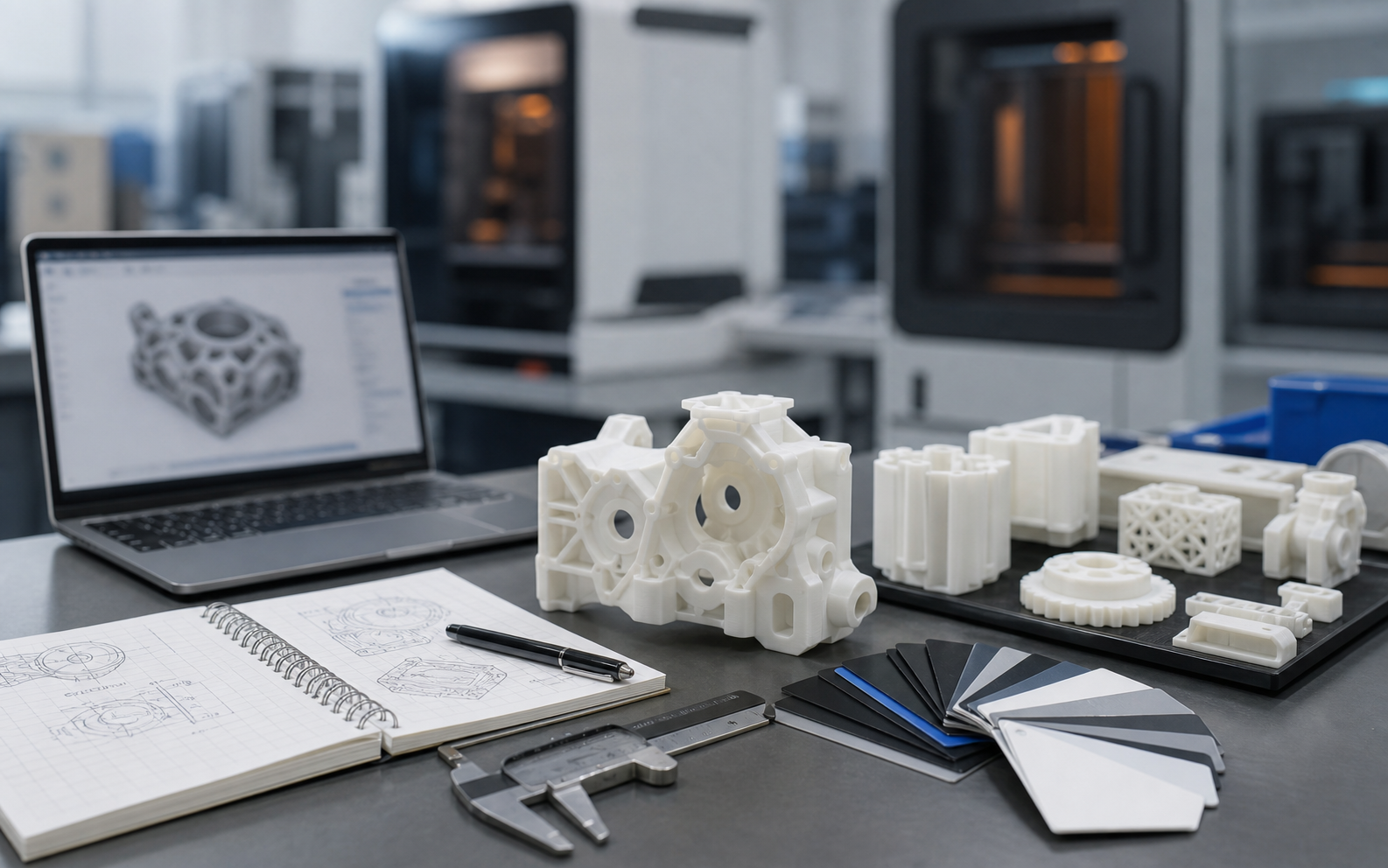
Prototype, fixture, custom part, small batch and cost-control topics for business users.
lantu3D is positioned as blueprint realization and lifecycle management, not just a print shop.
news
Engineering Specifications for Connector Design in 3D Printed Parts: Snap-Fits, Hinges, and Embedded Fasteners
Connector design for 3D printed parts is one of the most practical areas in additive manufacturing. Unlike conventional manufacturing, 3D printing can integrate snap-fits, hinges, and embedded fasteners directly into the part, enabling true design-for-assembly and reducing assembly time, part count, and reliability risks. However, successful connector design requires a deep understanding of material behavior, process limitations, anisotropy, support removal, and post-processing effects. This article outlines engineering specifications and design rules for snap-fits, hinges, and embedded threaded inserts in FDM and SLA printing.
news
Warpage Control Strategies for 3D Printing Thin-Walled Parts: A Systems Engineering Approach from Process Selection to Support Optimization
Thin-walled 3D printing is one of the most challenging applications in additive manufacturing. Parts with wall thickness below 2 mm are highly susceptible to warping, cracking, collapse, and other deformation defects during printing, resulting in low yield or complete failure. Statistical data from SLA shows that parts thinner than 1.5 mm have a failure rate of up to 35%, while FDM can reach 45%. However, thin-walled structures are indispensable in lightweight design, fluid channels, heat sinks, and similar applications, making deformation control a core skill for 3D printing engineers. The key to deformation lies in uneven shrinkage during curing or cooling, and effective control requires coordinated strategies across process selection, design, support optimization, parameter tuning, and post-processing.
news
Text and Marking Design for 3D Printed Parts: A Complete Solution from Embossing to Laser Engraving
Text and marking design for 3D printed parts is often overlooked, yet it plays a critical role in product traceability, compliance, and user experience. Whether it is a serial number, brand logo, safety warning, or assembly instruction, a clear and durable marking system is essential. Compared with traditional manufacturing, 3D printing offers unprecedented freedom to integrate text and identification directly into the part geometry, enabling a true design-to-manufacture workflow.
news
Application advantages and technical analysis of nylon PA12 in SLA light-curing 3D printing
# Application advantages and technical analysis of nylon PA12 in SLA light-curing 3D printing ## Introduction: High-performance materials promote SLA technological innovation. Today, with the rapid development of light-curing 3D printing (SLA/DLP/LCD) technology, the improvement of material performance has become the core driving force for industry progress. Nylon PA12 (polyamide 12), as a high-performance engineering plastic, is becoming a high-end material choice in the field of SLA 3D printing due to its excellent mechanical properties, chemical stability and dimensional accuracy. According to the latest industry report in 2026, nylon PA12 has...
news
Comparison of PLA and ABS material performance in 2026: A complete guide to 3D printing material selection
# Comparison of PLA and ABS material performance in 2026: A complete guide to 3D printing material selection ## Introduction: Material selection is the key to the success of 3D printing. In the field of 3D printing, material selection directly determines the quality, strength, appearance and applicable scenarios of the final product. For FDM (fused deposition modeling) 3D printing technology, PLA (polylactic acid) and ABS (acrylonitrile butadiene styrene) are the two most widely used thermoplastic materials. According to the latest market research data in 2026, these two materials account for more than 65% of the global 3D printing consumables market...
news
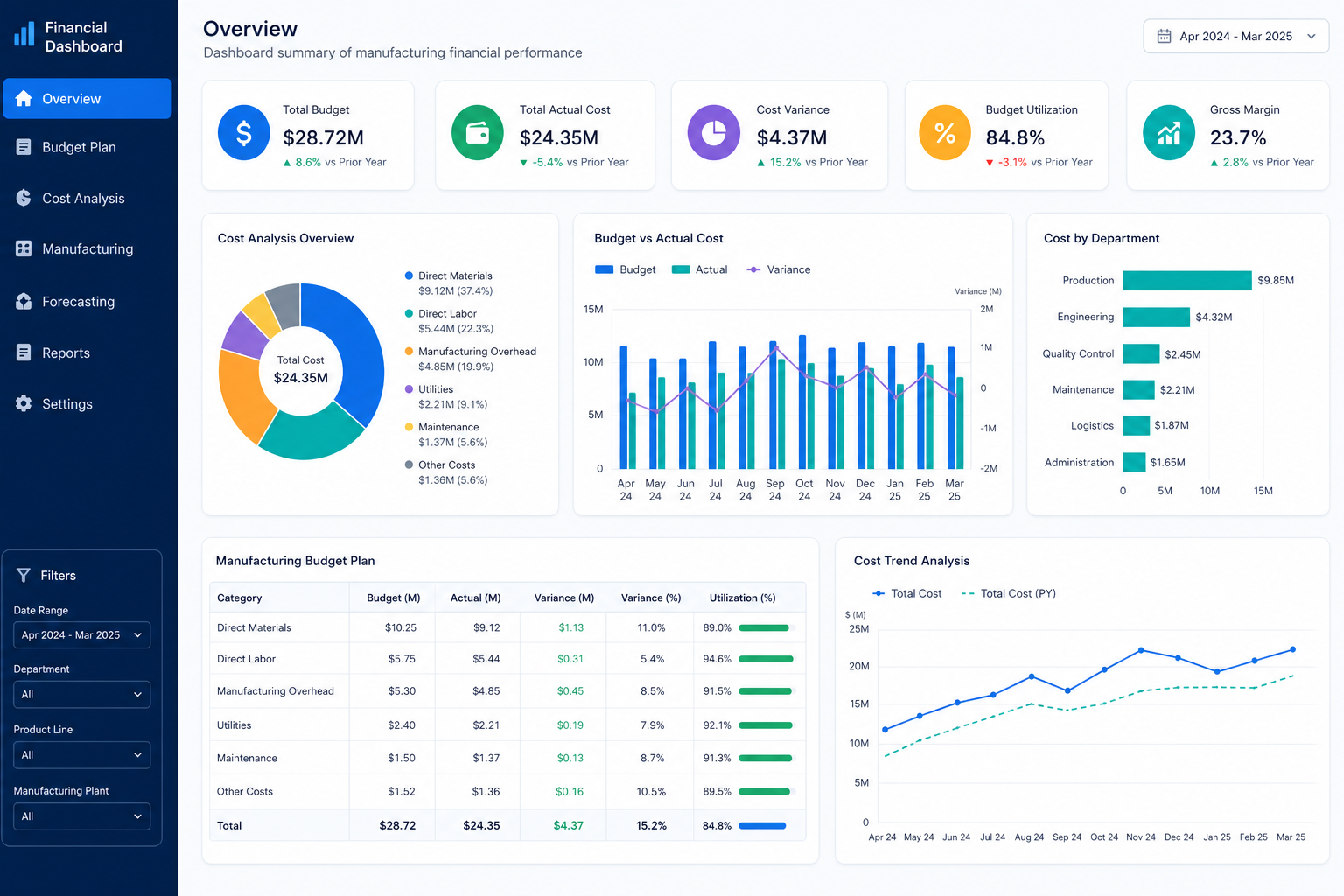
Lifecycle Cost Management for 3D Printing Projects: Cost Control Strategies from Design Optimization to Mass Production
A systematic analysis of the full lifecycle cost structure of 3D printing projects, from design and process selection to production and post-processing, with transparent pricing models and cost optimization recommendations.

news
Data Security and Confidentiality Agreement System for 3D Printing Services: End-to-End Protection from File Transfer to Finished Product Delivery
An in-depth exploration of data security challenges in 3D printing services, building a full-process confidentiality system from file encryption and transmission security to storage management and finished product delivery to protect customer intellectual property.
news
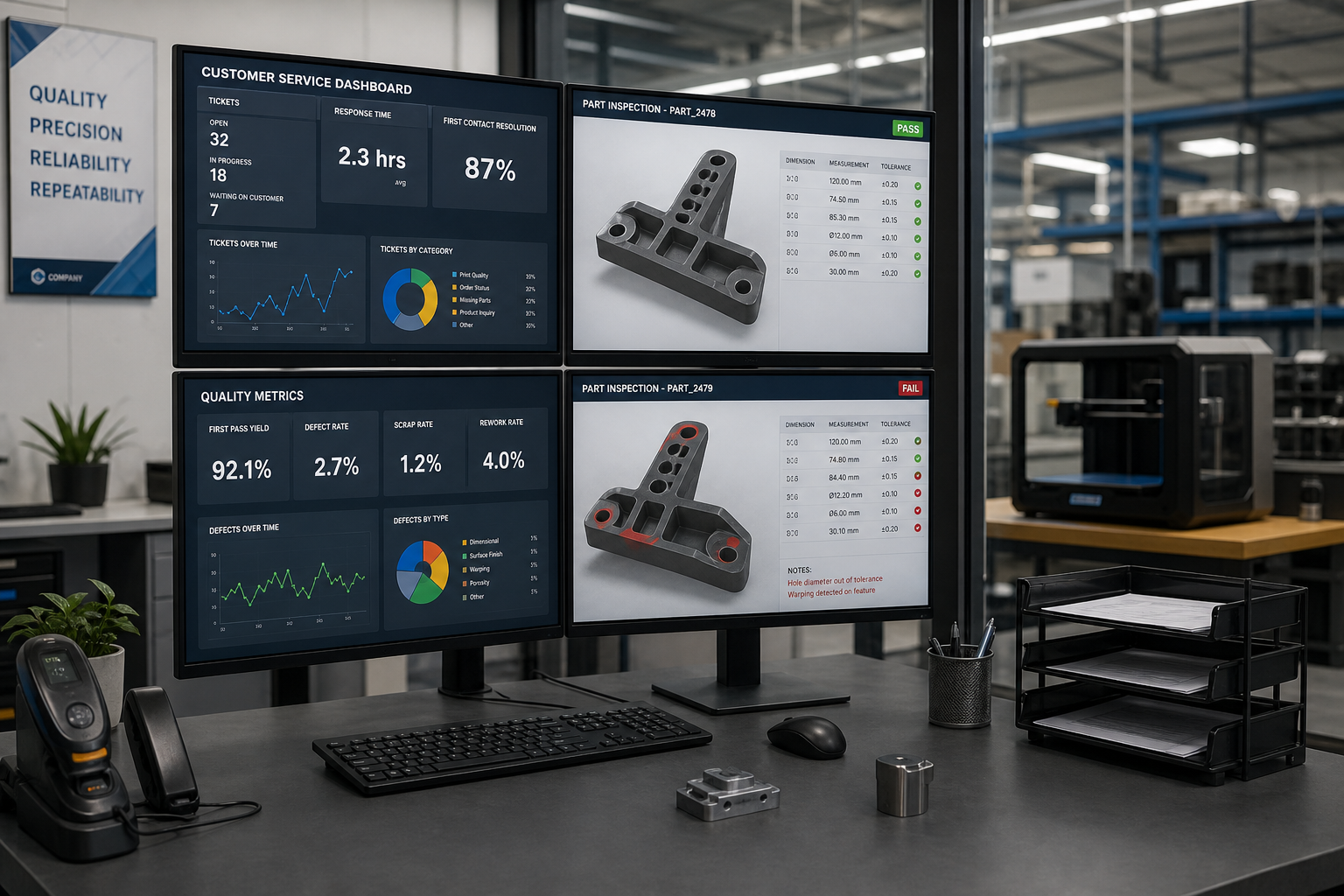
Standardizing After-Sales Service Systems for 3D Printing Service Companies: From Issue Response to Continuous Improvement
Building a standardized after-sales service system for 3D printing service companies, covering customer issue response processes, quality issue analysis, corrective and preventive actions, customer satisfaction management, and continuous improvement mechanisms.
news
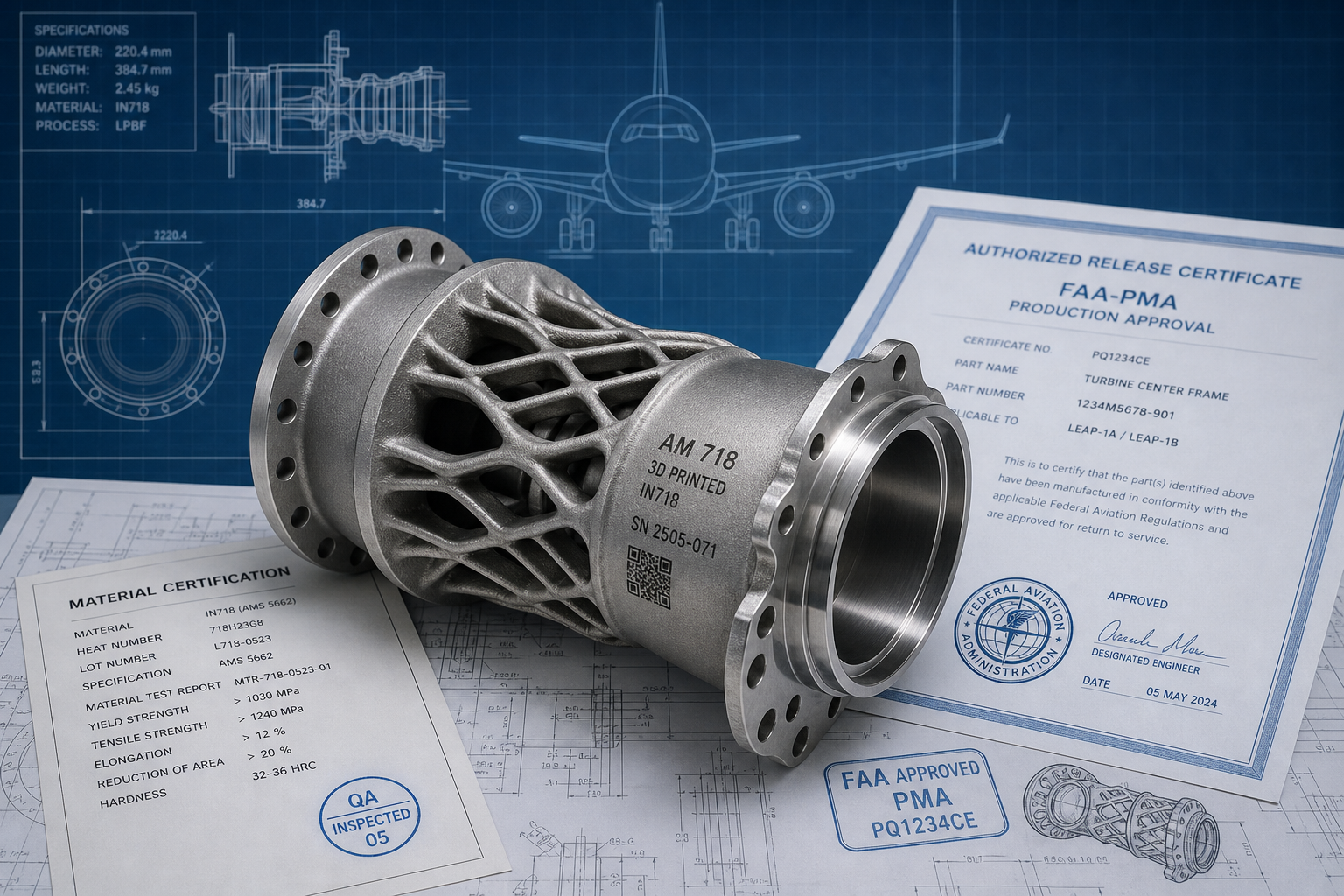
Building a Compliance System for 3D Printing in the Aerospace Supply Chain
A deep dive into the compliance requirements for 3D-printed aerospace components, covering key points in material certification, process qualification, quality systems, traceability management, and airworthiness certification, providing a practical guide for companies entering the aerospace supply chain.

news
Technology Roadmap Planning for 3D Printing Service Companies: Process Evolution and Capability Building
A decision-making framework to help 3D printing service companies develop medium- and long-term technology roadmaps, covering process technology evolution paths, equipment capability building plans, talent pipeline development, and technology innovation investment.
news
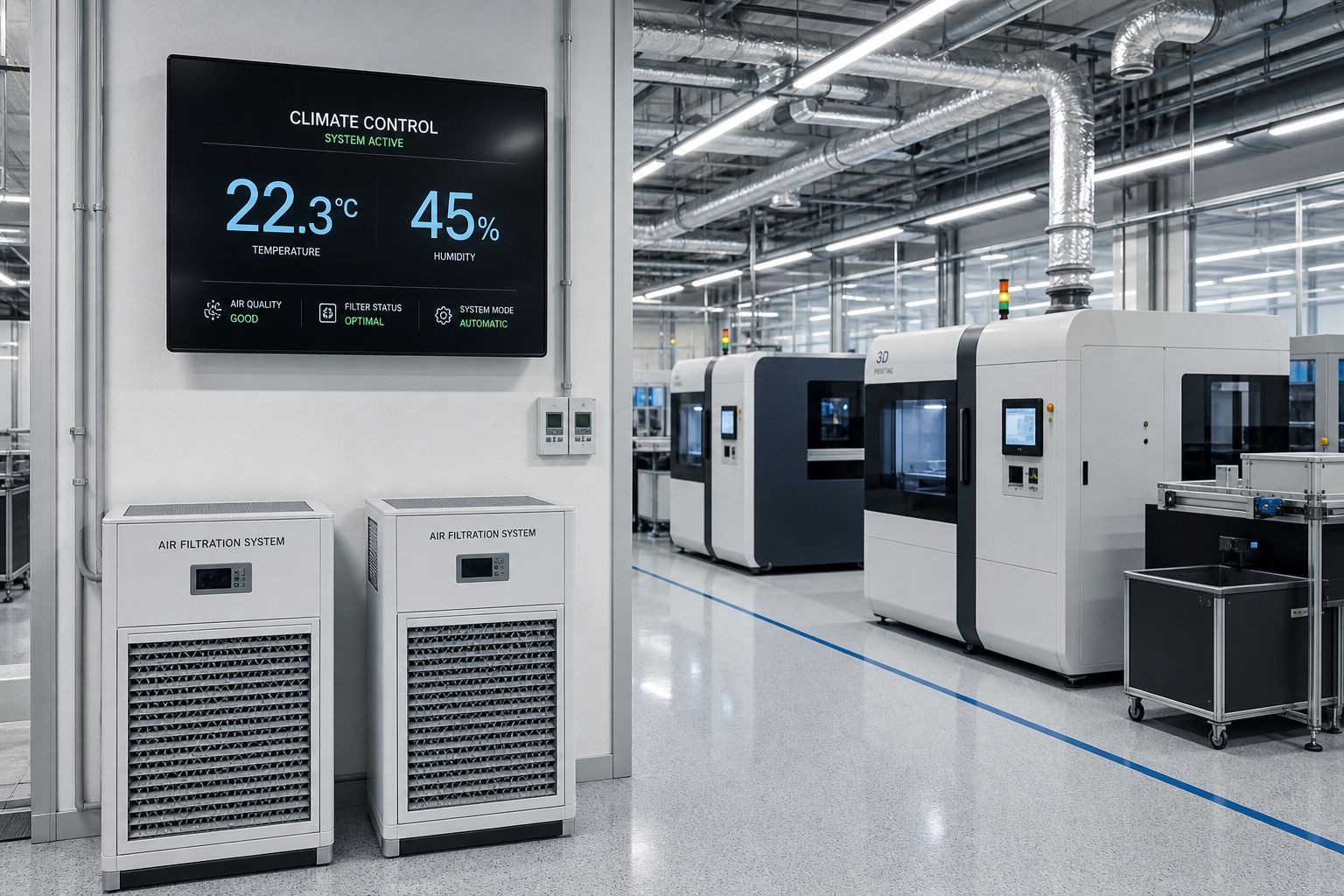
Design of Environmental Control Systems for 3D Printing Workshops: Fine-Grained Temperature and Humidity Control for Quality
This article explores the key design points of environmental control systems for 3D printing workshops, analyzes how temperature and humidity fluctuations affect print quality, and provides engineering implementation solutions for environmental parameter monitoring, air handling systems, and quality traceability.
news
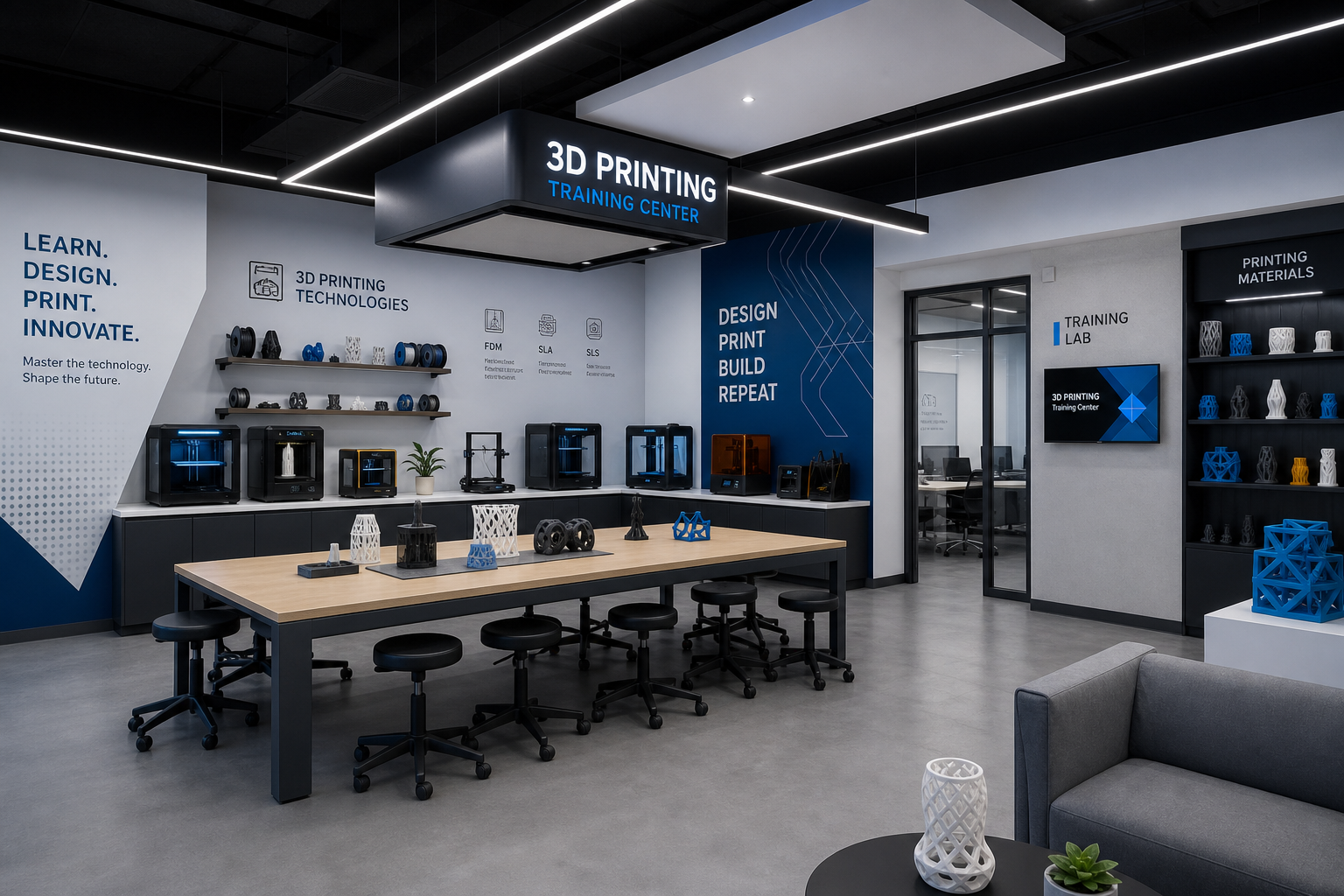
Customer Education System for 3D Printing Services
Building a systematic customer education system
Start From Here
Have a model, drawing, or only an idea?
Submit your requirement and our engineers will recommend a better design and manufacturing path based on use, size, quantity, material, tolerance and lead time.