No model yet, material choice and wall thickness are explained from a practical angle.
Knowledge Center
Blueprint News
lantu3D reviews wall thickness, structure, materials, process, quantity and finishing before quotation.
01Guides
02Materials
03Customer View
Content should help customer decisions
lantu3D articles focus on materials, processes, cost, modeling and manufacturability so customers understand key decisions before submitting a request.
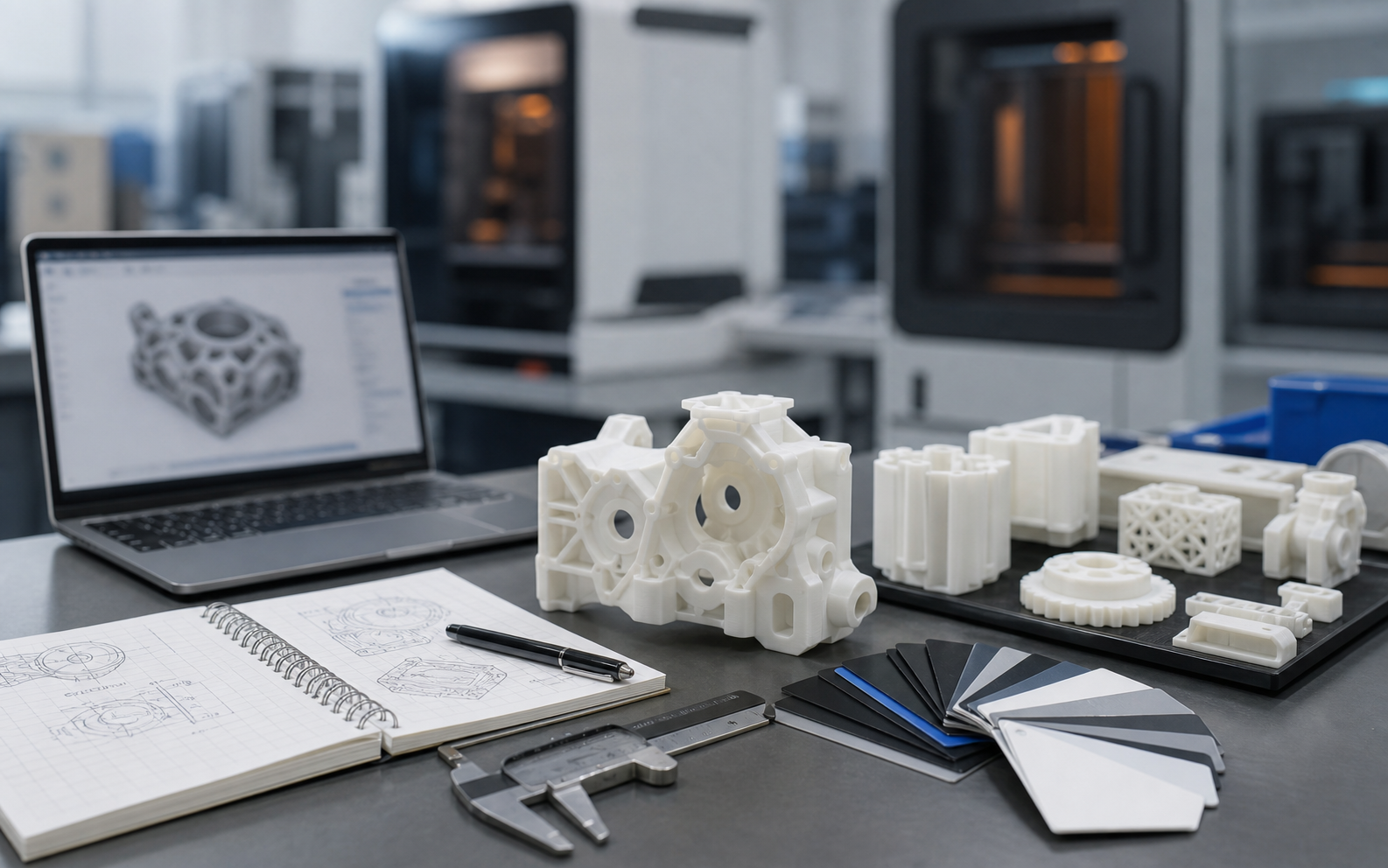
Prototype, fixture, custom part, small batch and cost-control topics for business users.
lantu3D is positioned as blueprint realization and lifecycle management, not just a print shop.
news
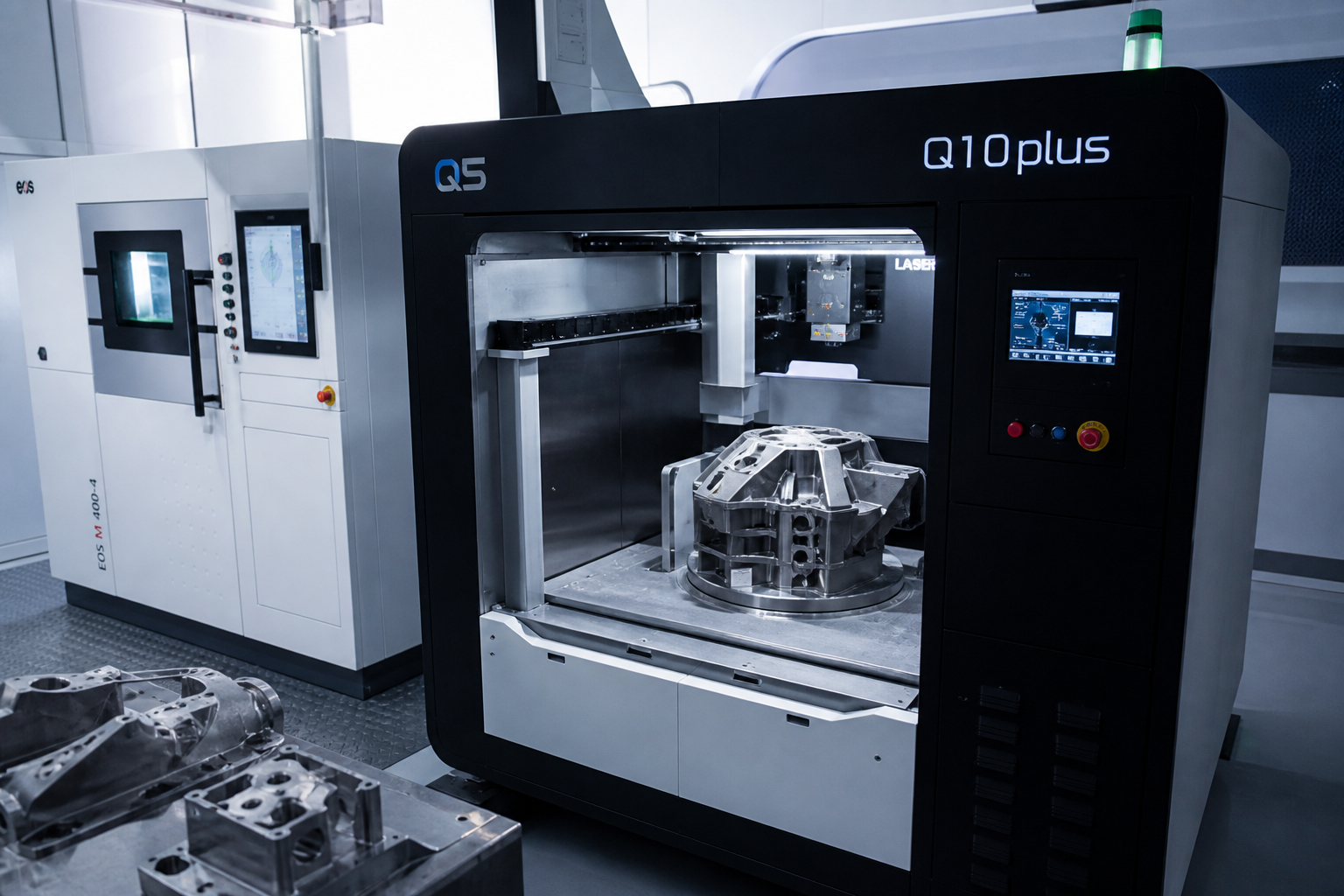
GMP-compliant production of medical device 3D printing: a complete solution from workshop design to batch traceability
3D printing of medical devices must comply with GMP regulations. This article systematically introduces the design standards, production process control, batch traceability system construction and quality risk management methods of GMP compliance workshops.
news
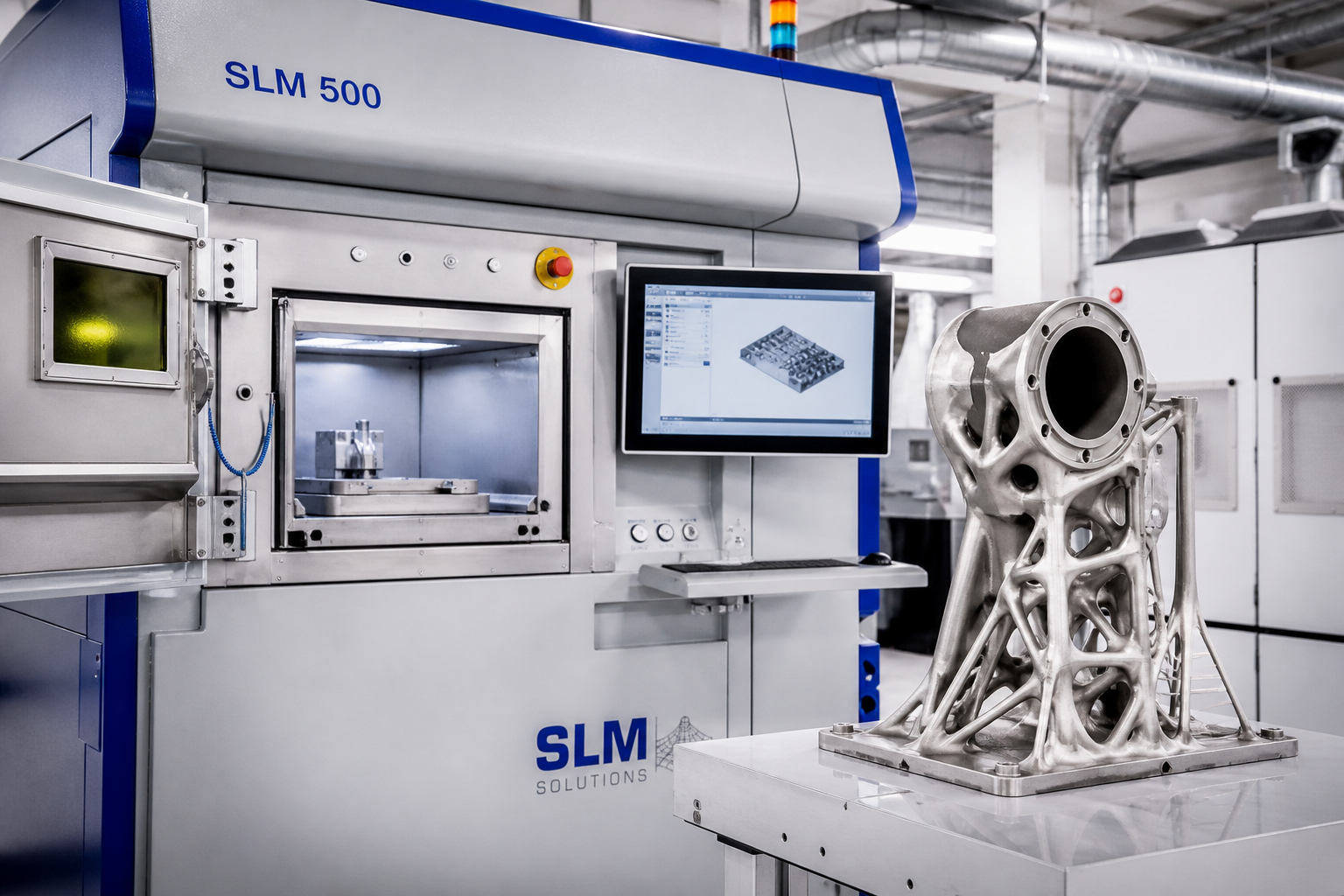
Airworthiness Certification Process and Compliance Management of 3D Printed Parts in the Aerospace Field
Aerospace is a high-end application field of 3D printing technology, and airworthiness certification is the only way to enter this field. This article systematically introduces the FAA, EASA and other airworthiness certification processes, material certification requirements and key points of quality system construction.
news
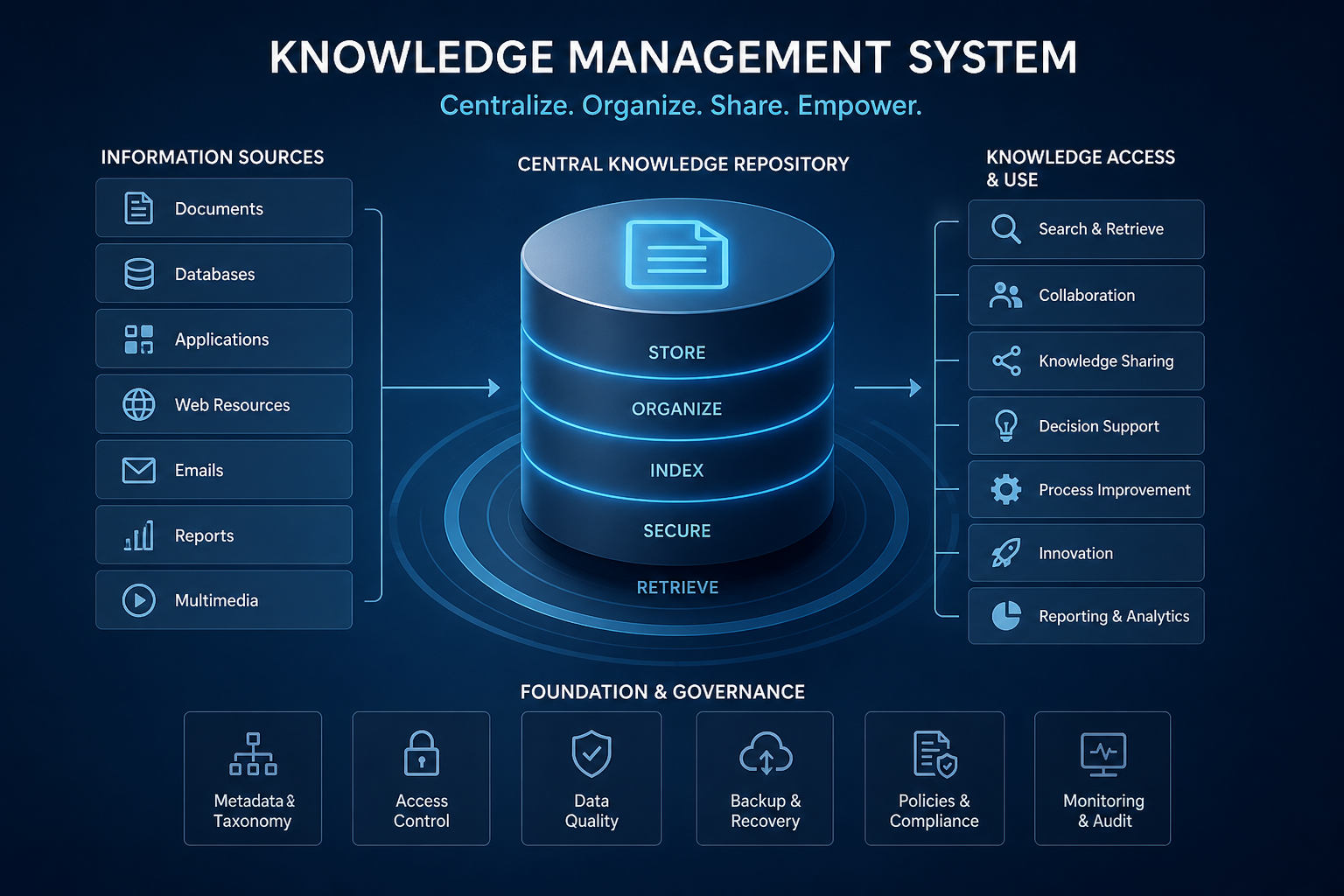
Brand building and marketing communication of 3D printing services: from professional positioning to building industry influence
In the fiercely competitive 3D printing service market, brand building has become the key to differentiated competition. This article systematically introduces the systematic methods of brand positioning, content marketing, case communication and industry influence creation.
news
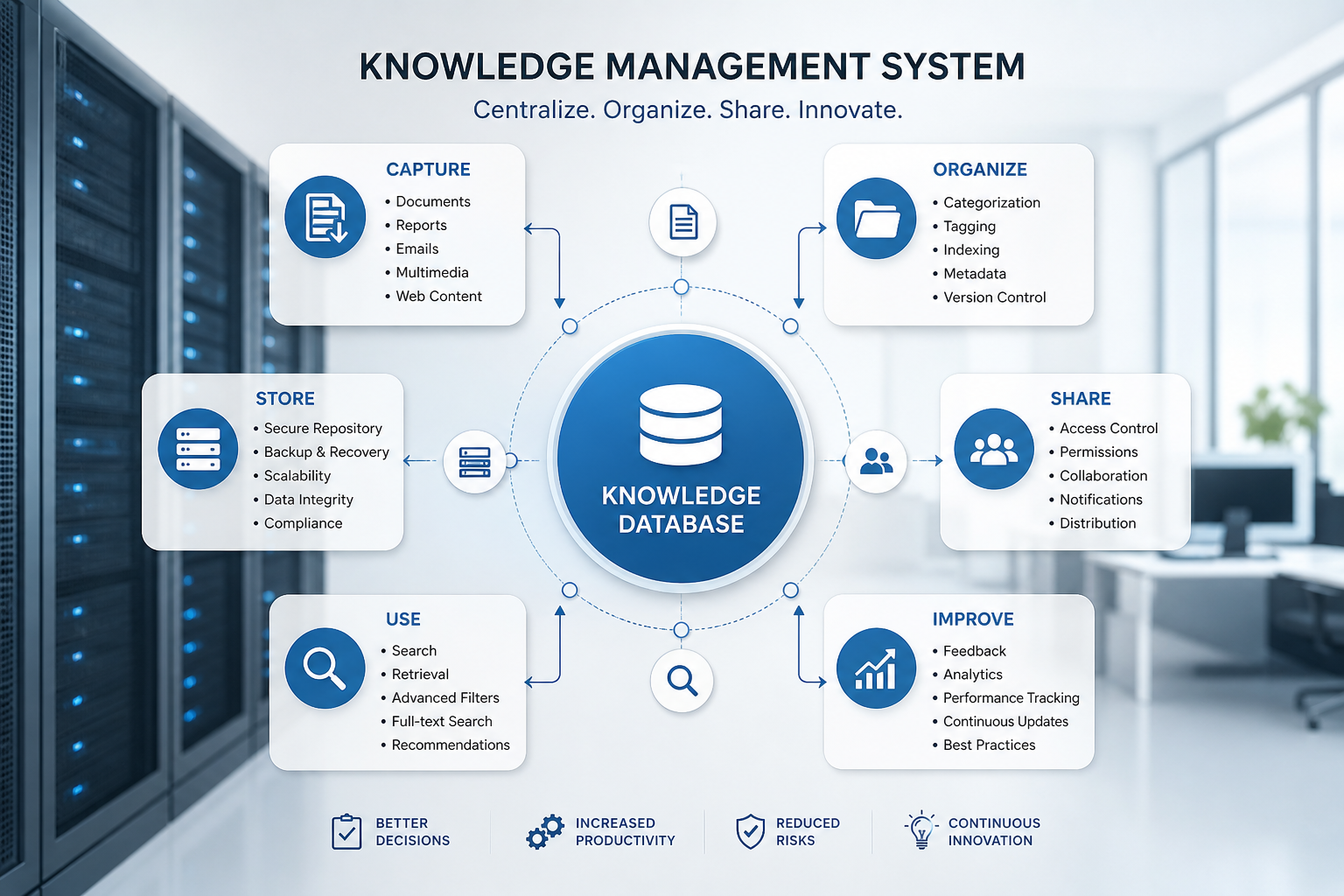
Knowledge base construction for 3D printing services: a systematic approach from experience accumulation to intelligent recommendations
Knowledge base construction is the key for 3D printing service companies to achieve large-scale replication. This article introduces how to systematically accumulate technical experience, process parameters and design solutions, and build an intelligent recommendation system to improve service efficiency.
news
Emergency response mechanism for 3D printing services: emergency order processing and delivery guarantee solution
Urgent orders are a common scenario for 3D printing services. This article systematically introduces the design of emergency response mechanisms, including rapid quotation, priority production scheduling, expedited process selection and delivery guarantee solutions.
news
Technical consulting service model of 3D printing services: from pre-sales support to after-sales empowerment
Technical consulting services are the core value-added capabilities of 3D printing service providers. This article introduces how to build a full-process technical service system from pre-sales design consultation, process solution optimization to after-sales technical training.
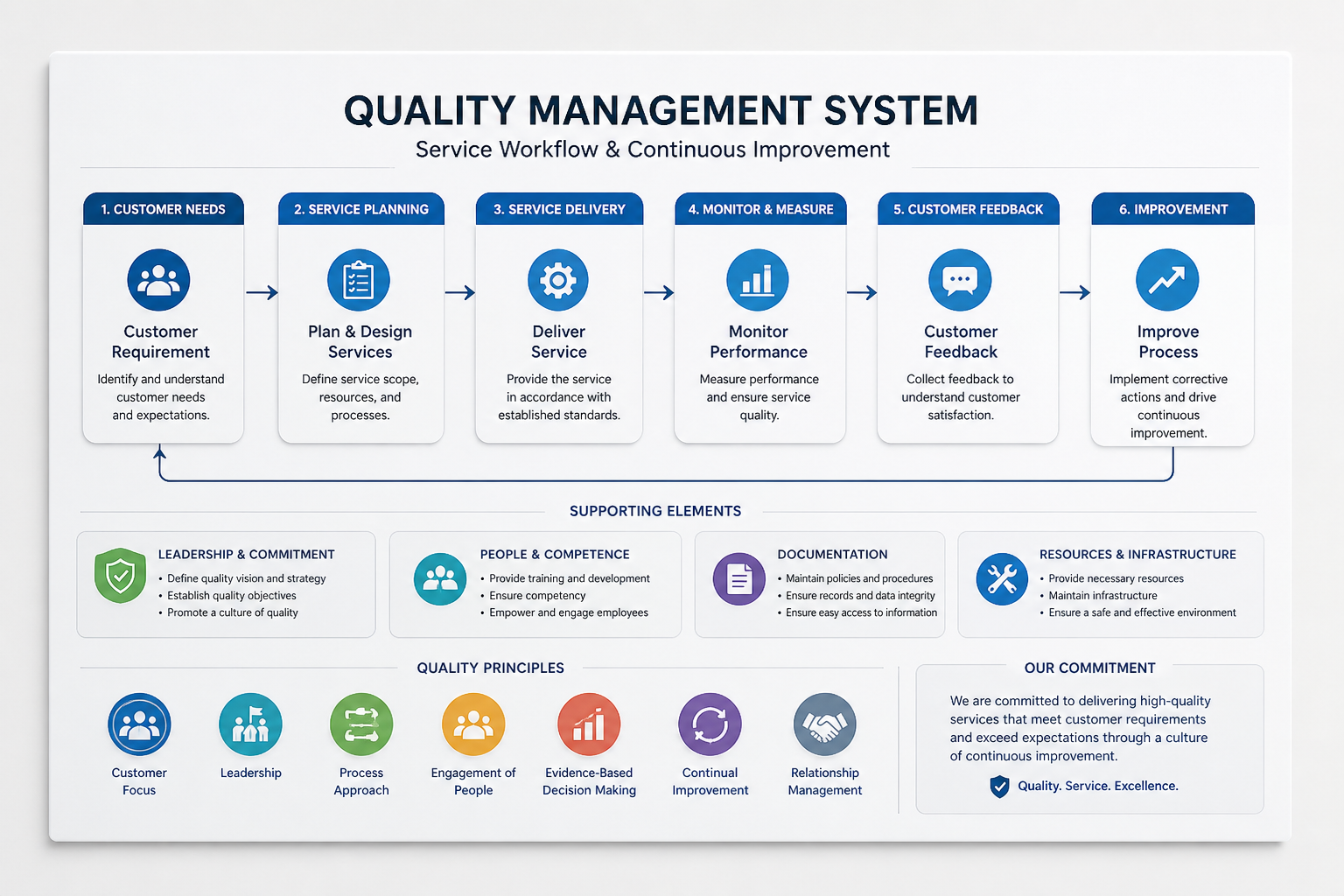
news
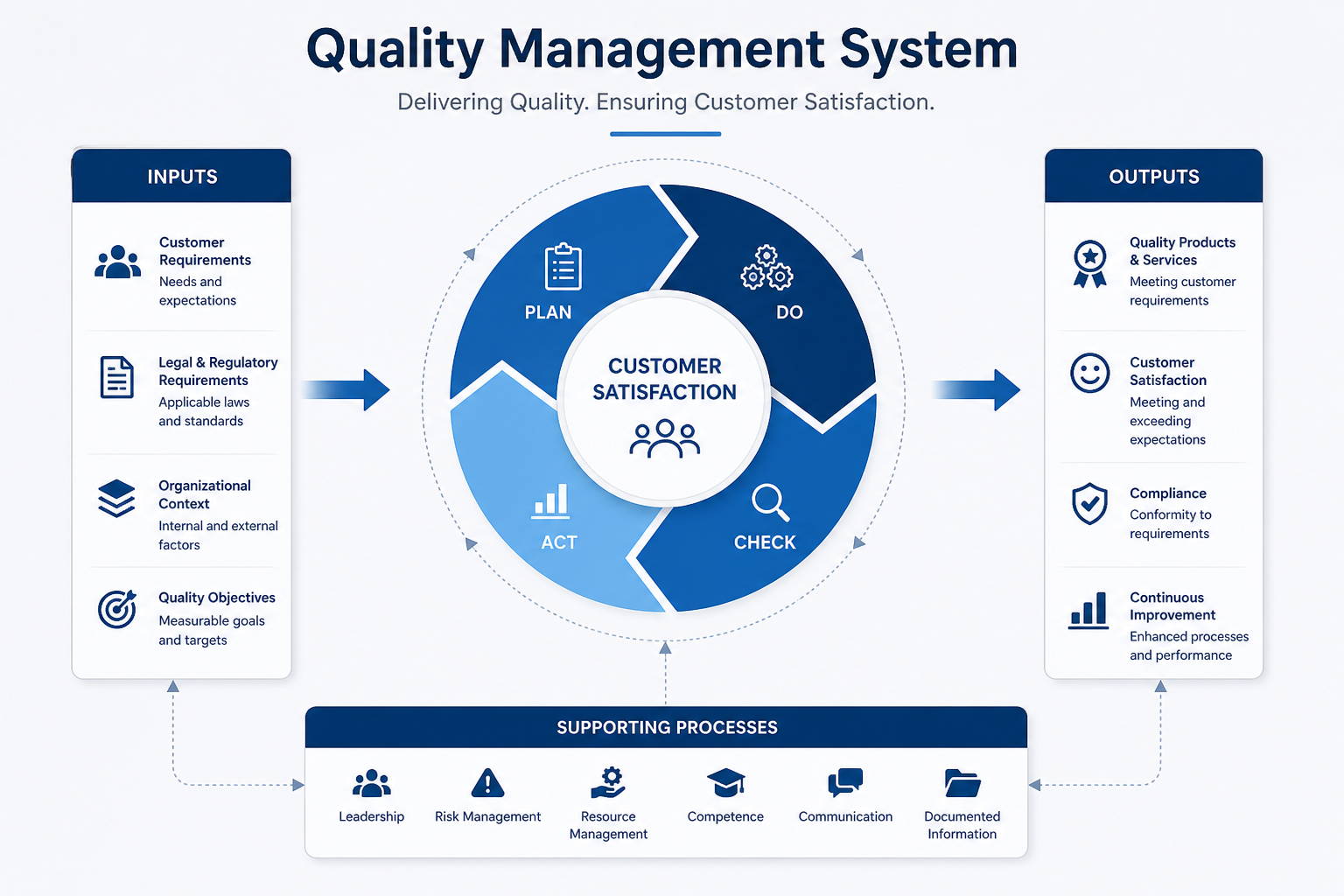
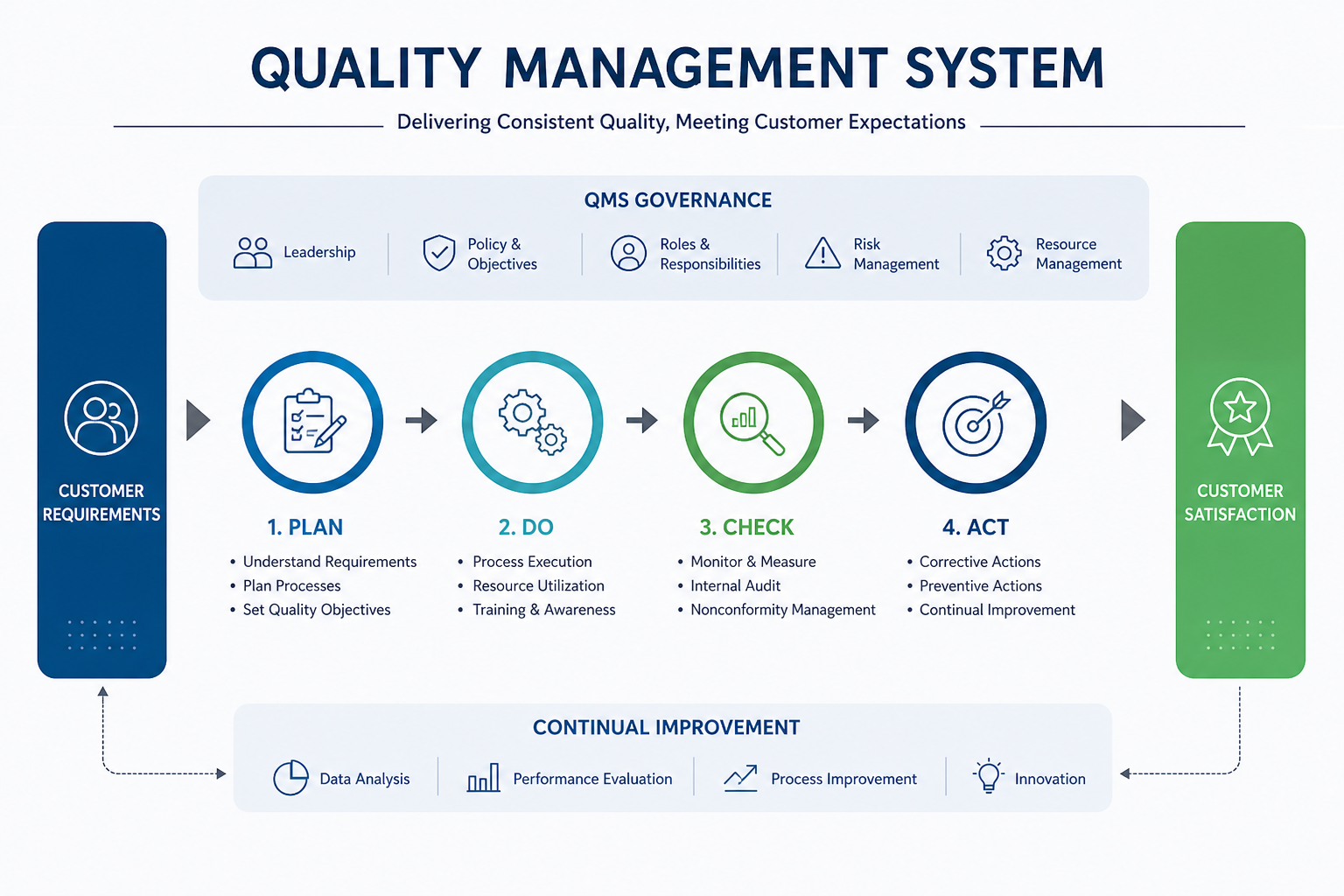
3D Printing Service Quality Control Closed Loop: Full-Process Management from Incoming Inspection to Delivery Acceptance
Quality control is the lifeline of 3D printing services. This article systematically introduces a full-process quality management system covering incoming inspection, process monitoring, finished product testing, and delivery acceptance to ensure every product meets customer requirements.
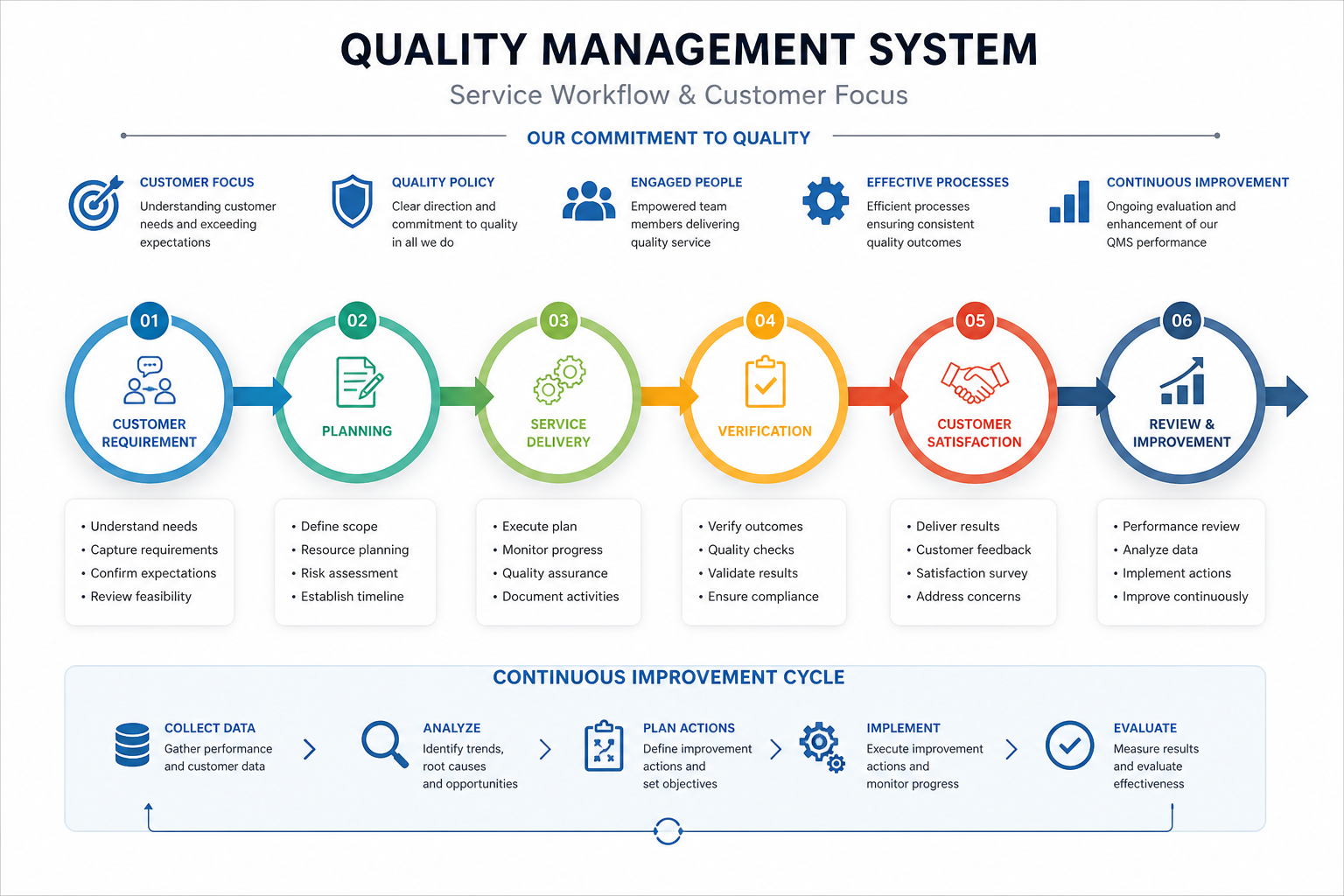
news
3D Printing Service Providers' Customer Tier Management System: From New Customer Acquisition to VIP Customer Retention
Customer tier management is key to increasing customer value in 3D printing service businesses. This article explains how to build a scientific customer tiering system, deliver differentiated services to different customer levels, and improve retention and lifetime value.
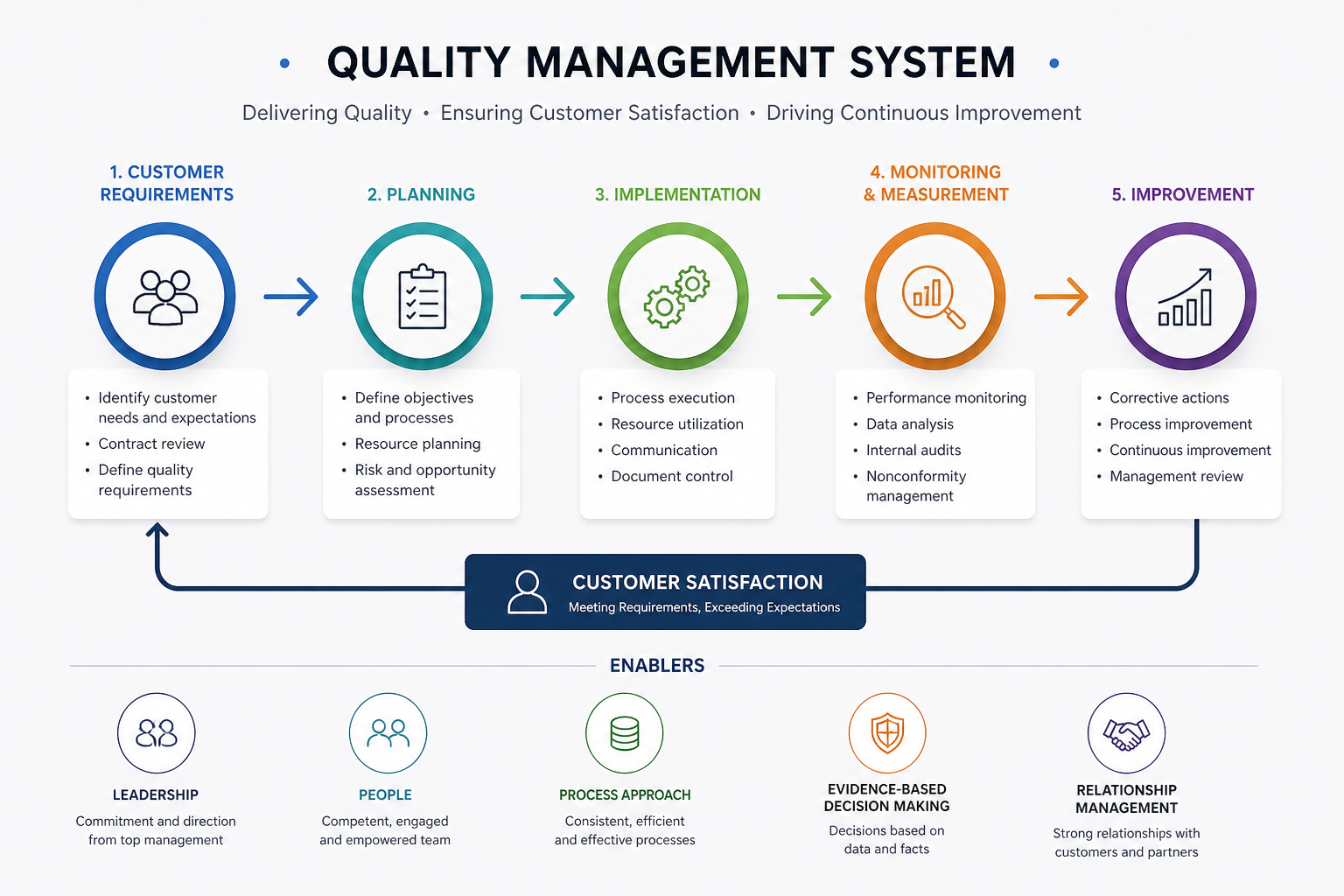
news
Optimizing Pricing Strategies for 3D Printing Services: A Complete System from Cost Accounting to Dynamic Pricing
A scientific pricing strategy is the core competitiveness of 3D printing service companies. This article systematically introduces a complete pricing framework from material costs, equipment depreciation, and labor costs to dynamic pricing, helping businesses maximize profits.
news
Innovative Applications of 3D Printing in the Consumer Electronics Industry: From Custom Enclosures to Internal Structure Optimization
3D printing is reshaping the consumer electronics industry through custom enclosures, functional internal structures, rapid prototyping, and supply chain optimization. From smartphone shells and wearable accessories to drone frames, additive manufacturing enables faster development, lower-cost small-batch production, and highly personalized products. According to an IDC 2026 report, global investment in 3D printing across consumer electronics has grown from $850 million in 2020 to $4.2 billion in 2026, reflecting a CAGR of 38%.
news
Design for Assembly of 3D Printed Parts: Optimizing from DFA Principles to Real Assembly Processes
Design for Assembly (DFA) for 3D printed parts: optimizing from DFA principles to real assembly workflows. Introduction: The importance of design for assembly. In traditional manufacturing, DFA mainly focuses on reducing part count and simplifying assembly steps. In the field of 3D printing, DFA has been radically expanded—through integrated printing, snap-fit features, living hinges, and similar techniques, complex products that once required dozens of parts can be reduced to just one or two printed components, achieving the ultimate goal of "design equals assembly." According to a Boeing case study, 3D-printed parts optimized with DFA reduced part count by 90%, shortened assembly time by 95%, and improved reliability by 30%.
news
Functional Surface Texture Design: 3D Printing for Anti-Slip, Flow Guidance, and Tactile Optimization
Functional surface texture design: 3D printing for anti-slip, flow guidance, and tactile optimization. Introduction: The functional value of surface textures. Functional surface texture design is a highly underestimated area in 3D-printed part design. In traditional manufacturing, surface textures usually require secondary processes such as sandblasting, chemical etching, or laser texturing, which are costly and process-intensive. The revolutionary advantage of 3D printing is that complex surface textures can be formed directly as part of the part geometry, enabling integrated manufacturing where "design equals texture." According to ergonomics research, well-designed surface textures can increase grip friction by 30-50% and improve tactile satisfaction by 40-60%, making them highly valuable in industrial design. Functional surface textures have a wide range of applications: anti-slip textures for tool handles, flow-guiding patterns for fluid channels, tactile markers for medical devices, decorative textures for consumer electronics, and wear-resistant surfaces for automotive interiors.
Start From Here
Have a model, drawing, or only an idea?
Submit your requirement and our engineers will recommend a better design and manufacturing path based on use, size, quantity, material, tolerance and lead time.