No model yet, material choice and wall thickness are explained from a practical angle.
Knowledge Center
Blueprint News
lantu3D reviews wall thickness, structure, materials, process, quantity and finishing before quotation.
01Guides
02Materials
03Customer View
Content should help customer decisions
lantu3D articles focus on materials, processes, cost, modeling and manufacturability so customers understand key decisions before submitting a request.
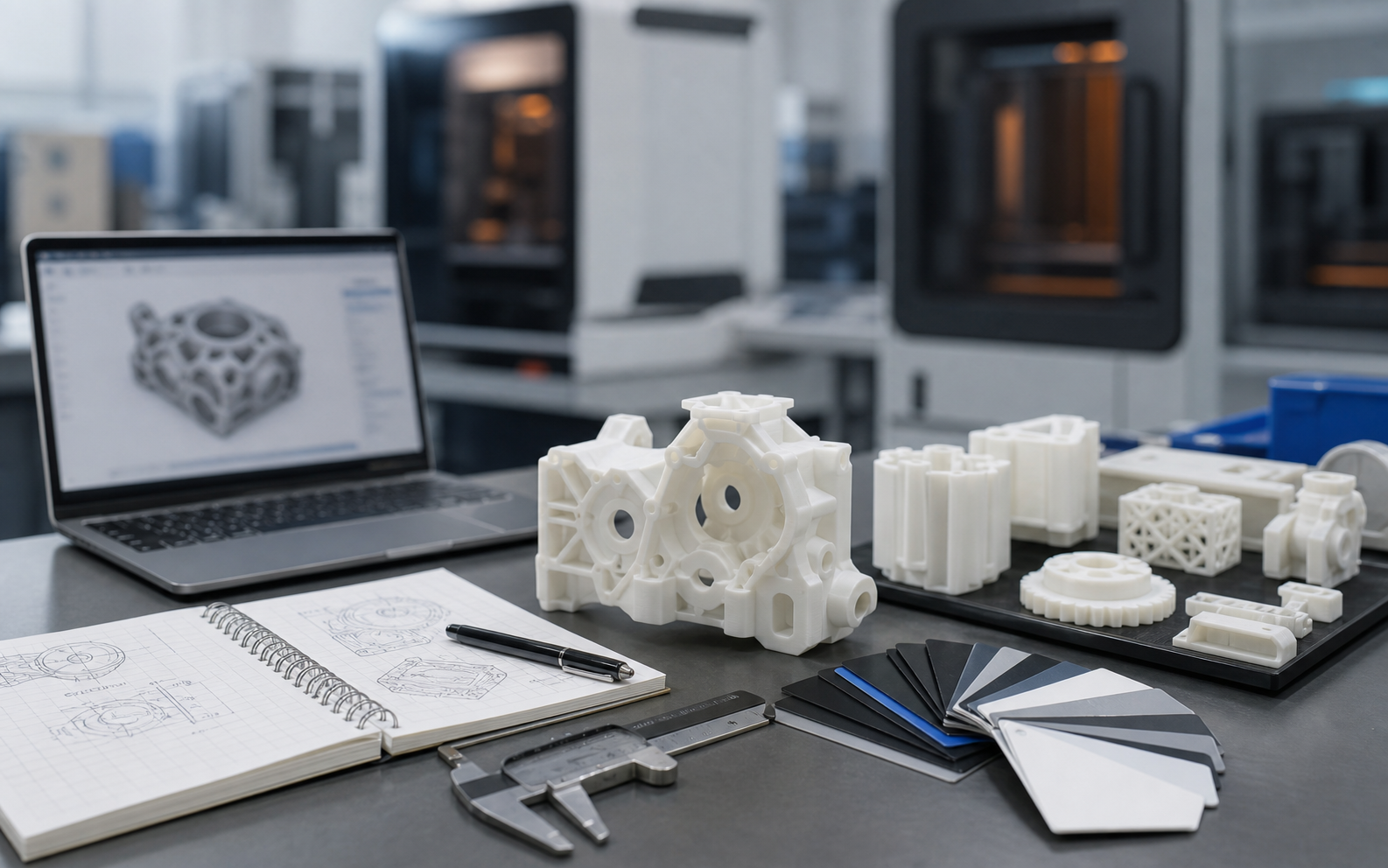
Prototype, fixture, custom part, small batch and cost-control topics for business users.
lantu3D is positioned as blueprint realization and lifecycle management, not just a print shop.
news
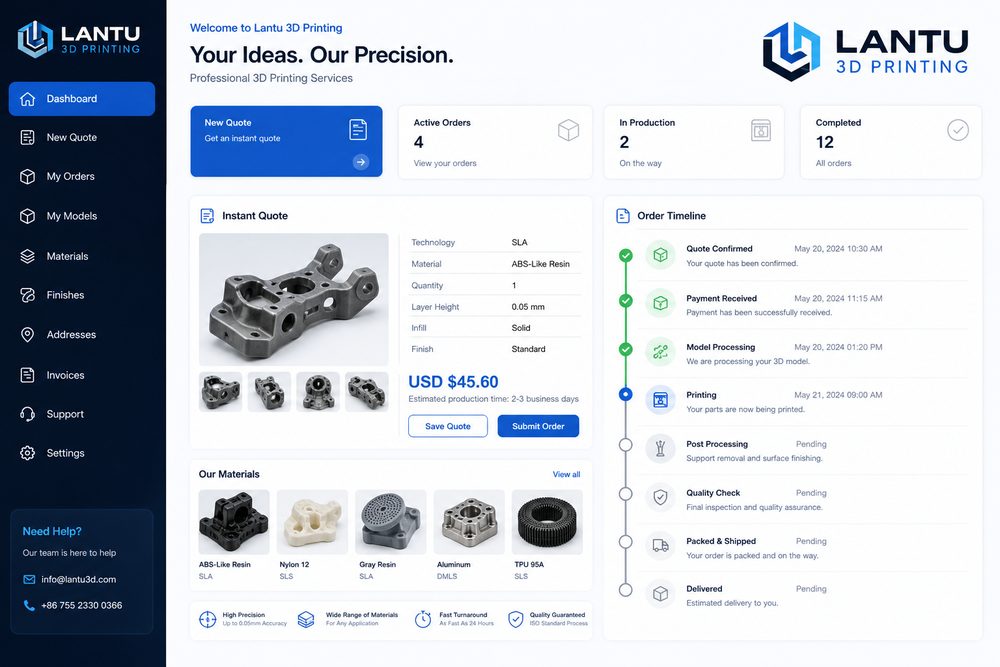
From Inquiry to Delivery: How Optimizing 3D Printing Service Workflows Reduces Rework and Communication Costs
This article explores 3D printing service workflow optimization across materials, processes, quality, cost, and delivery management. It explains how 3D printing projects can evolve from one-off builds into a repeatable engineering delivery system, and provides parameter windows, case insights, and an implementation checklist to help industry professionals make better decisions.
Design Guide
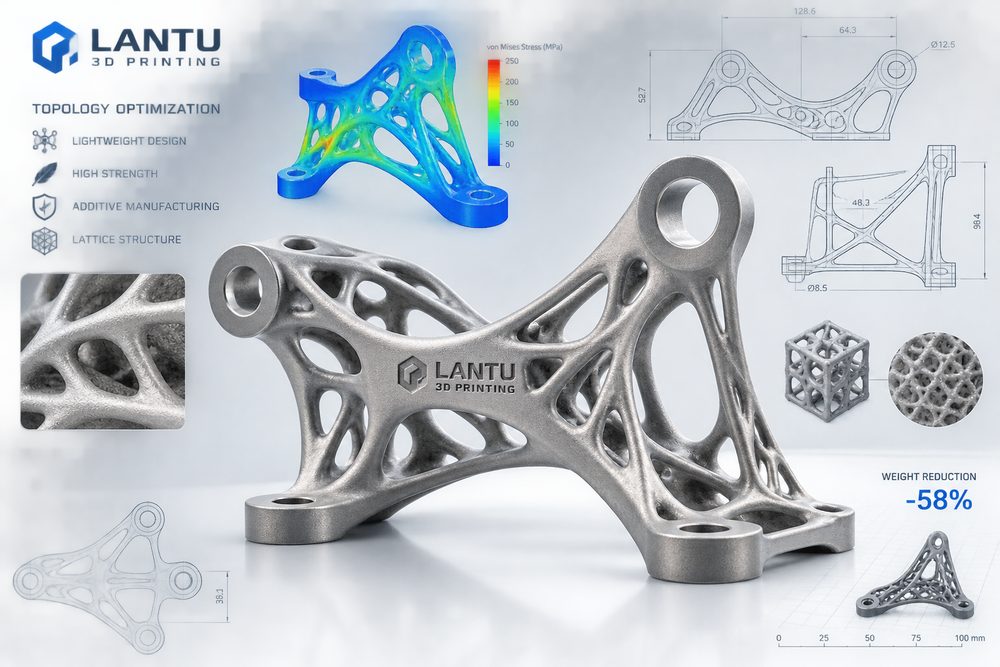
Topology Optimization and Lightweight Design: Taking 3D Printed Parts from Printable to More Practical
Topology optimization and lightweight design are key advantages that distinguish 3D printing from traditional manufacturing, but real-world implementation must balance load paths, material performance, post-processing, and inspection accessibility. This article provides a method from goal definition to verification closure.
DFAM
news
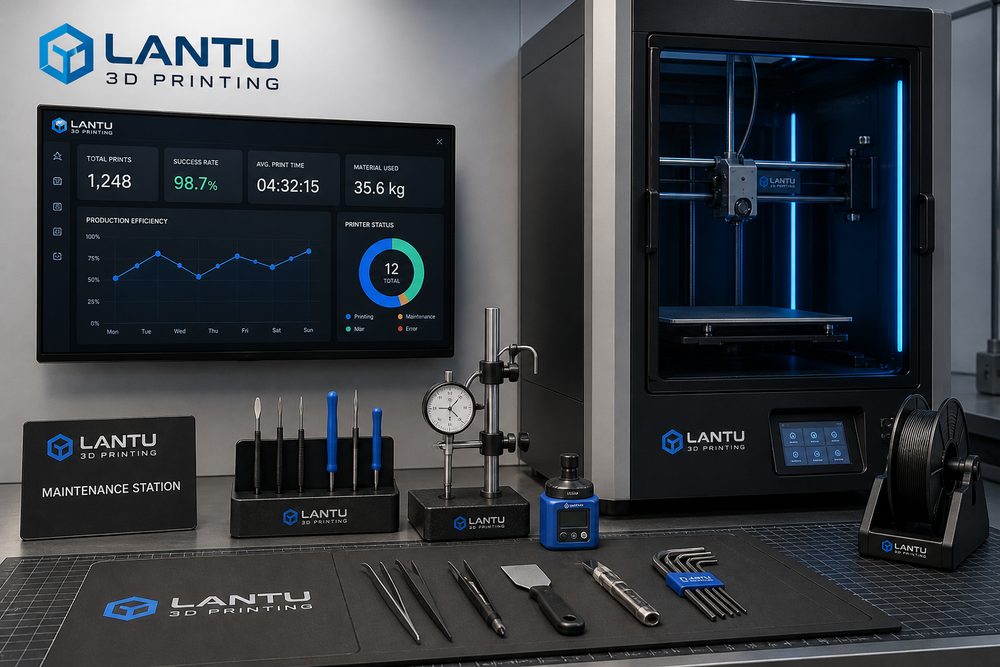
3D Printing Equipment Maintenance and OEE Improvement: Turning Machine Uptime into Real Delivery Capability
This article examines 3D printing equipment maintenance and efficiency improvement, linking materials, process, quality, cost, and delivery management to show how 3D printing projects can evolve from one-off builds into a repeatable engineering delivery system. It includes parameter windows, case analysis, and an implementation checklist to help practitioners make better decisions.

news
Aerospace, Medical, and Automotive Parts: The Shared Logic Behind 3D Printing Use Cases
This article examines 3D printing use cases through the lens of materials, process control, quality, cost, and delivery management. It explains how a 3D printing project can evolve from a one-off part into a repeatable engineering delivery system, and provides parameter windows, case analysis, and a practical implementation checklist to support better decision-making.
news
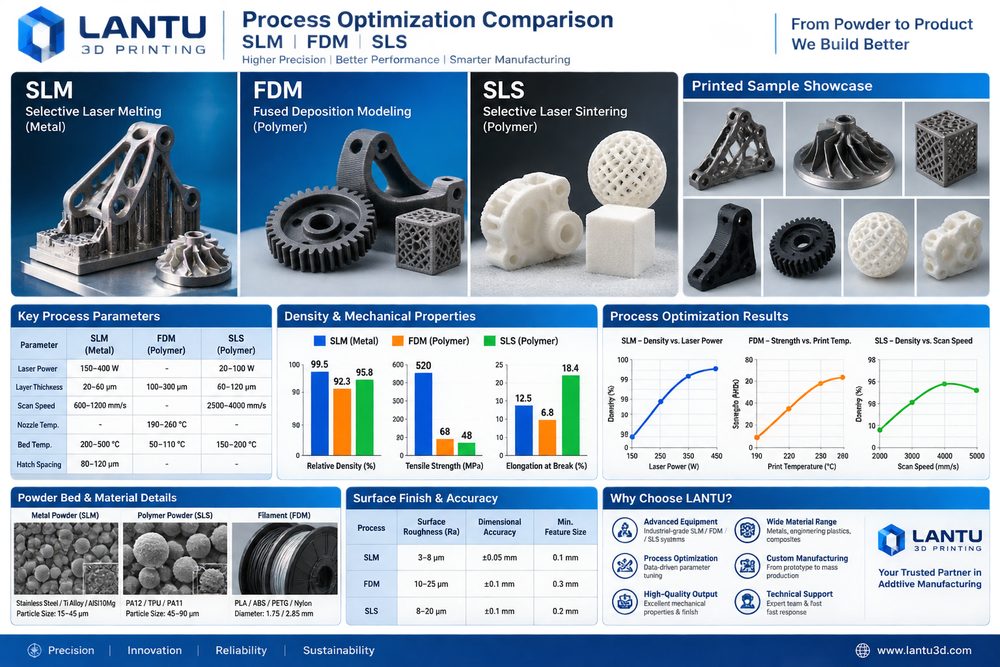
SLM, FDM, and SLS Process Optimization: Key Methods from Parameter Windows to Batch Stability
This article examines 3D printing process optimization across materials, process, quality, cost, and delivery management, showing how additive projects can evolve from one-off builds into repeatable engineering delivery systems. It offers parameter windows, case studies, and implementation checklists to help industry practitioners make better decisions.

news
Metal and High-Performance Polymers in Parallel: An Engineering Roadmap for 2026 3D Printing Material Innovation
This article examines 3D printing material innovation through the lens of materials, processes, quality, cost, and delivery management, showing how additive manufacturing projects can evolve from one-off builds into repeatable engineering delivery systems. It includes parameter windows, case studies, and an implementation checklist to help industry professionals make better decisions.
Enterprise Manufacturing
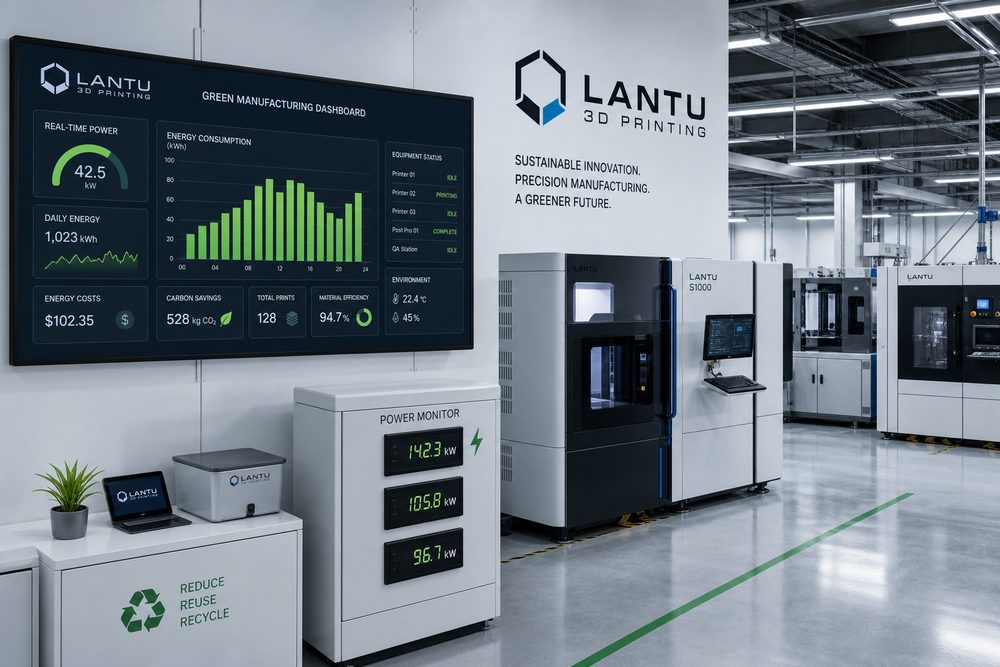
Cut Costs and Carbon: Technical Paths and Management Methods for Optimizing 3D Printing Energy Consumption
Energy use in 3D printing comes from machine operation, preheating, cooling, post-processing, and environmental control. This article explores how to reduce energy costs and carbon emissions while maintaining quality through energy measurement, scheduling optimization, material and process selection, equipment maintenance, and management metrics.
Service Process
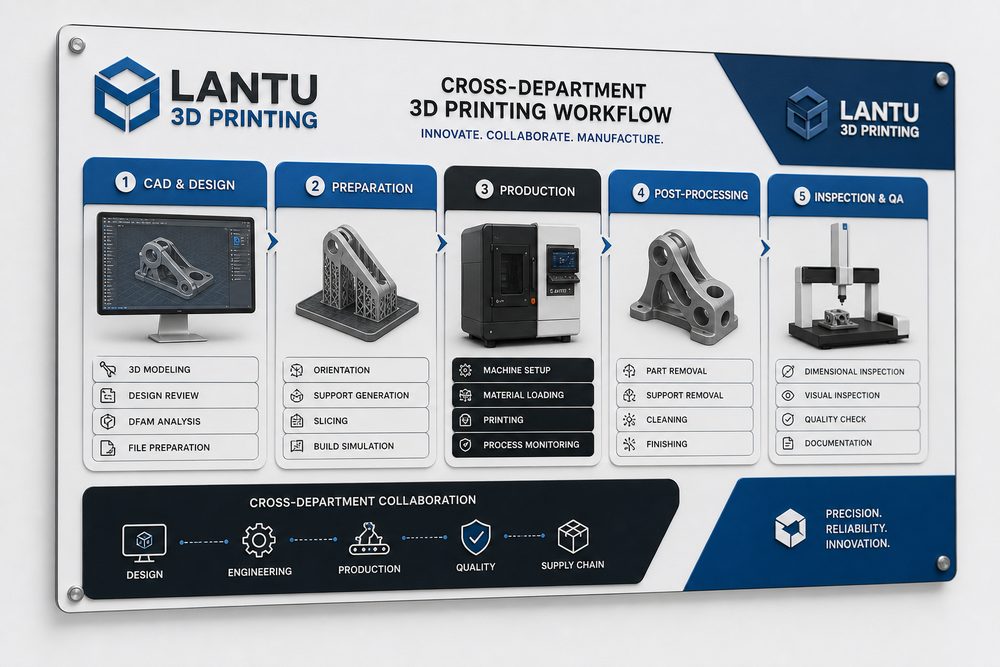
From Design to Delivery Without Bottlenecks: Key Design Principles for Cross-Functional Coordination in 3D Printing
3D printing projects typically span sales, design, engineering, production, post-processing, quality inspection, and logistics. This article explains how to build an effective cross-functional collaboration mechanism from the perspectives of requirement intake, version management, milestone reviews, exception escalation, and data sharing to reduce rework and communication costs.
Service Process
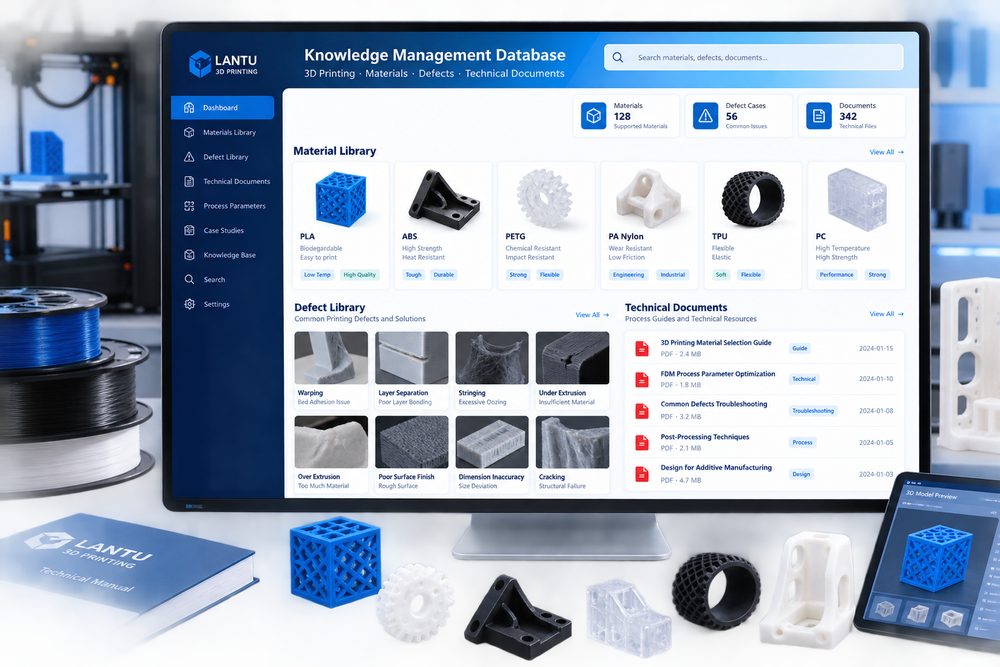
How to Build a 3D Printing Knowledge Management System So Experience Is No Longer Trapped in Senior Technicians’ Heads
3D printing projects rely heavily on experience, but if that experience is not captured, it is difficult to replicate and scale. This article explains how to build a practical 3D printing knowledge management system from material parameter libraries, design rules, defect case studies, project reviews, and search mechanisms.
Enterprise Manufacturing
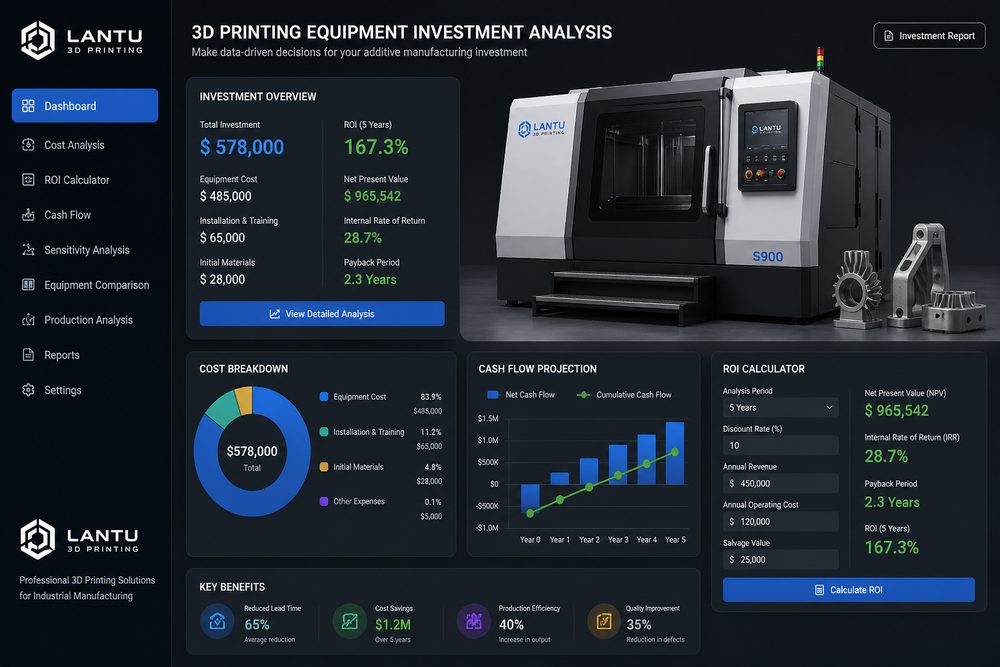
Buy Equipment or Buy Services? A Cost, Capability, and Risk Analysis for 3D Printing Equipment Investment Decisions
Whether a company should purchase its own 3D printing equipment cannot be judged only by machine quotes and per-part material costs. This article offers an equipment investment decision framework from the perspectives of total cost of ownership, capacity utilization, team capability, material scope, quality responsibility, and external service collaboration.
Service Process
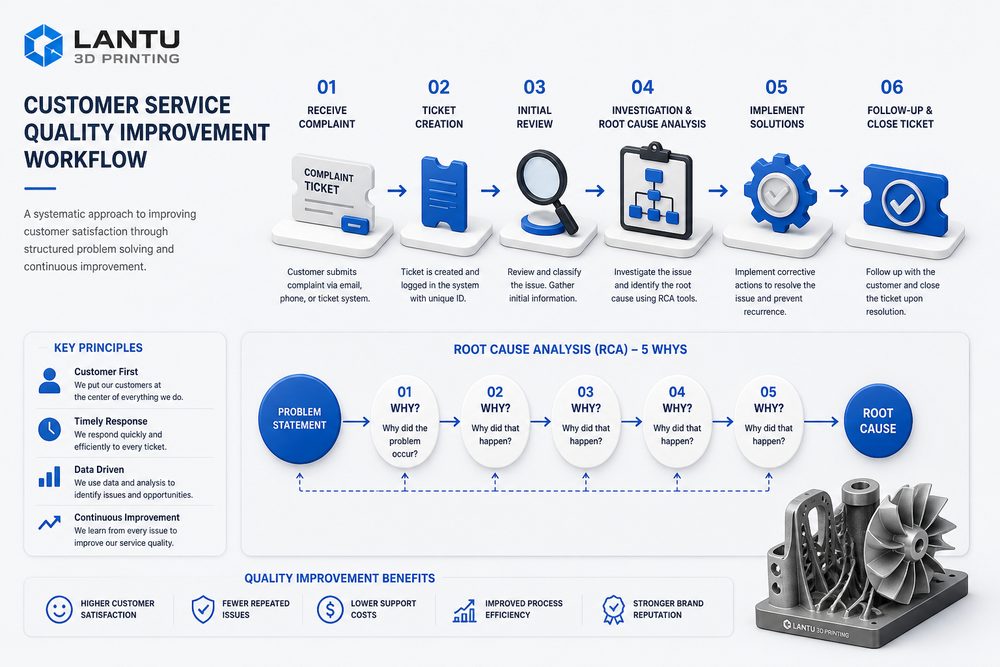
Customer Complaints Are Not the End: A Closed-Loop Complaint Handling Mechanism for 3D Printing Services
Custom 3D printing services involve multiple variables across design, process, materials, and logistics, so complaint handling must move beyond emotional responses to fact-based verification and a closed-loop improvement process. This article explains complaint classification, evidence collection, responsibility assessment, solution options, and preventive mechanisms.

Enterprise Manufacturing
Every Part Can Be Traced to Its Source: A Guide to Building a 3D Printing Quality Traceability System
A quality traceability system lets 3D-printed parts be traced across models, materials, equipment, parameters, post-processing, and inspection results. This article explains the core fields, process nodes, and digital methods to help companies reduce quality disputes and improve confidence in batch delivery.
additive manufacturing
Start From Here
Have a model, drawing, or only an idea?
Submit your requirement and our engineers will recommend a better design and manufacturing path based on use, size, quantity, material, tolerance and lead time.