
No model yet, material choice and wall thickness are explained from a practical angle.
Knowledge Center
Blueprint News
lantu3D reviews wall thickness, structure, materials, process, quantity and finishing before quotation.
01Guides
02Materials
03Customer View
Content should help customer decisions
lantu3D articles focus on materials, processes, cost, modeling and manufacturability so customers understand key decisions before submitting a request.
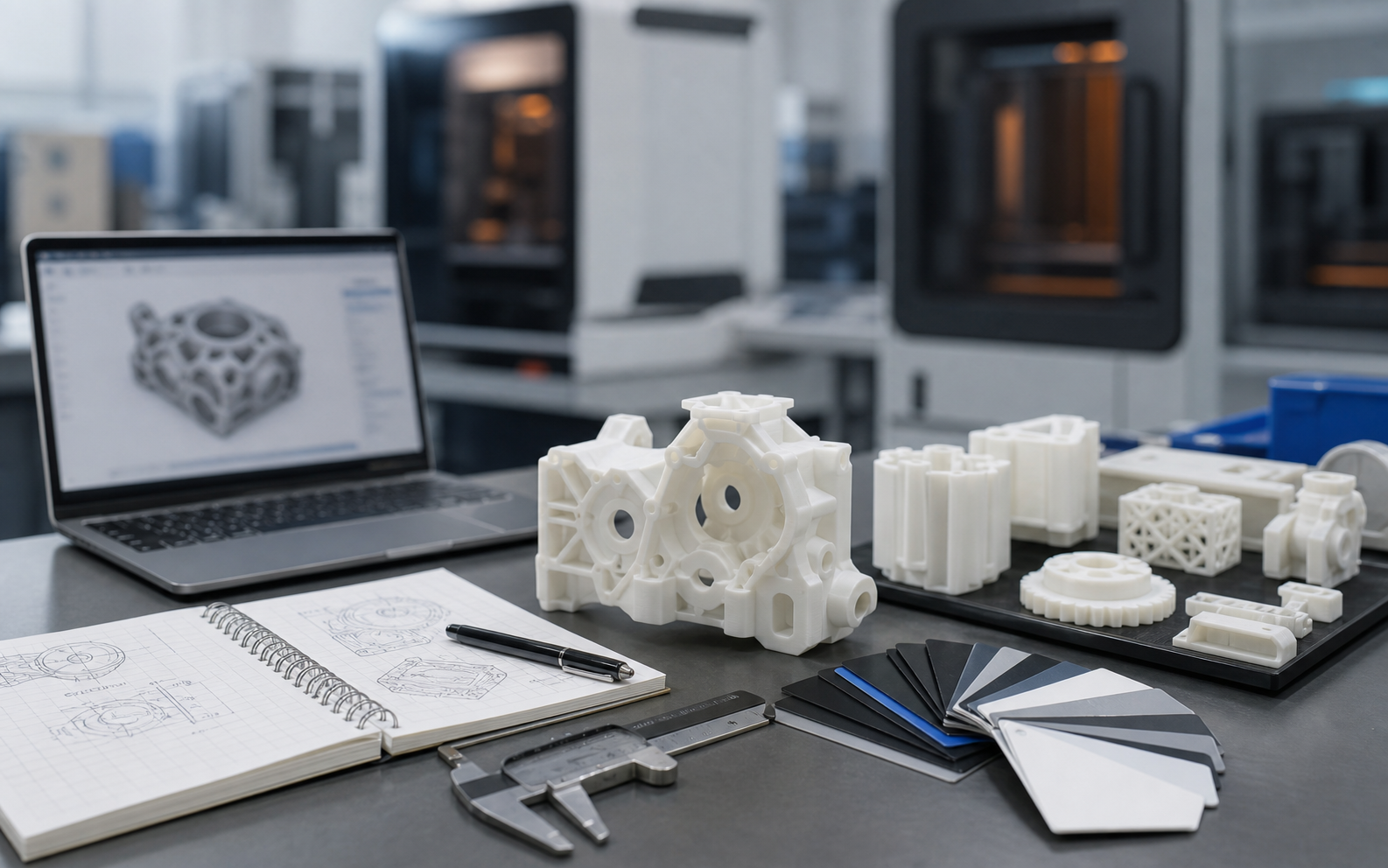
Prototype, fixture, custom part, small batch and cost-control topics for business users.
lantu3D is positioned as blueprint realization and lifecycle management, not just a print shop.

Enterprise Manufacturing
How Production Scheduling Can Optimize 3D Printing Lead Times: Coordinated Planning for Equipment, Materials, and Post-Processing
3D printing lead times depend on more than print time alone. File review, material batching, machine loading, cooling or curing, post-processing, and quality checks all affect delivery. This article outlines scheduling methods for on-demand manufacturing platforms to reduce waiting, rush jobs, and rework with visual planning.
production scheduling

Enterprise Manufacturing
3D Printing Industry Trends Watch: From One-off Prototyping to Collaborative Digital Manufacturing
The 3D printing industry is moving beyond rapid prototyping and toward a digital manufacturing stage that coordinates design, materials, processes, quality, and supply chains. This article examines trends such as small-batch production, materials engineering, quality traceability, online quoting, and distributed capacity, explaining how service platforms improve delivery reliability through data-driven workflows.
3D printing services
Enterprise Manufacturing
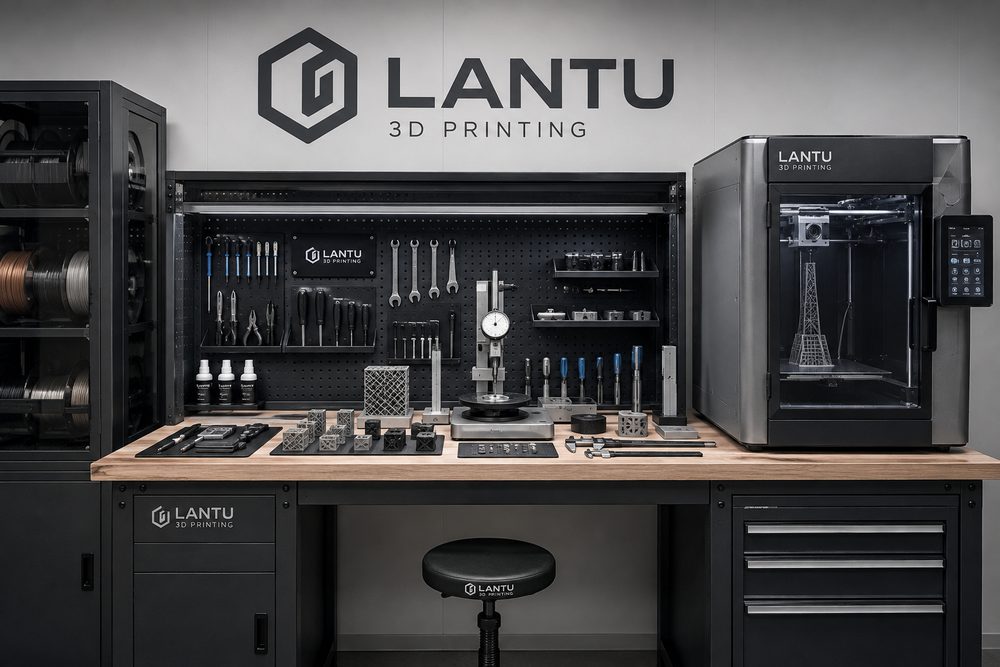
How 3D Printing Equipment Maintenance Reduces Rework and Ensures On-Time Delivery
Equipment maintenance is the foundation of reliable 3D printing delivery. This article explains how preventive maintenance, quantitative monitoring, production scheduling coordination, and anomaly traceability can reduce rework rates and improve project certainty for customers.
Enterprise Manufacturing
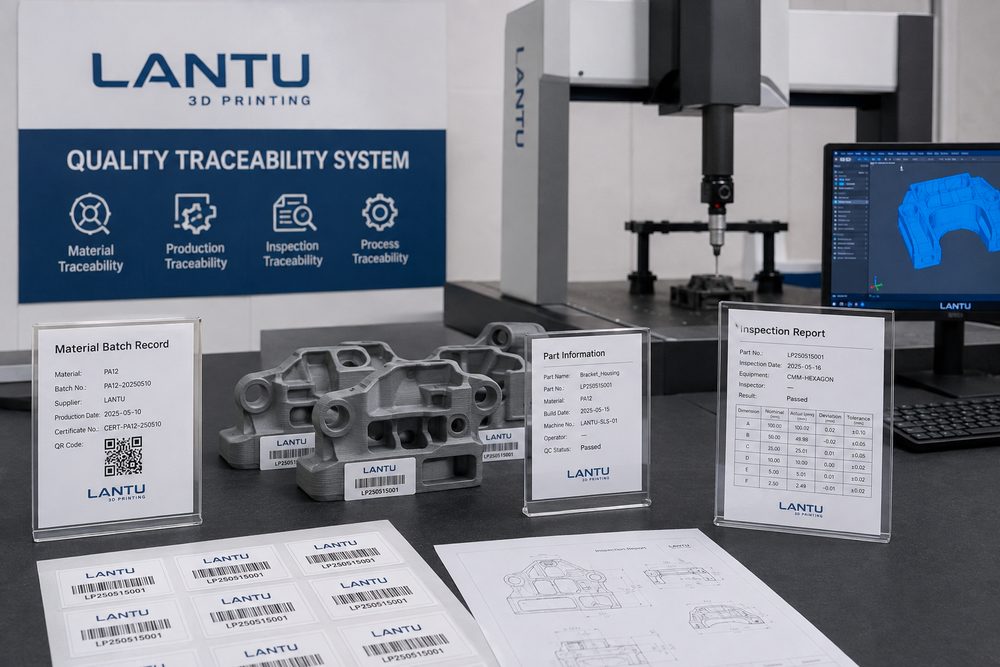
Quality Traceability System: How 3D Printing Projects Record Materials, Processes, Inspection, and Delivery Evidence
As 3D printing moves from prototyping to engineering delivery, quality traceability becomes the foundation of customer trust. This article explains how to build a traceability system for material batches, machine parameters, post-processing, inspection records, and shipping evidence so that problems with any part can be located, explained, and improved.
Enterprise Manufacturing
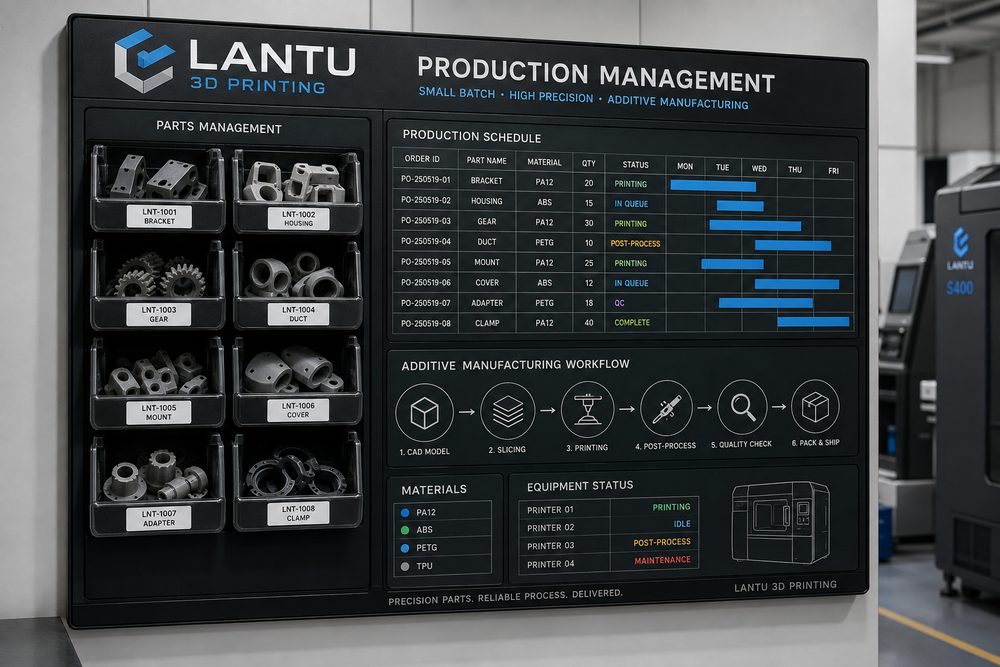
Small-Batch Production Management: Takt Control Methods for 3D Printing Orders from Prototyping to Delivery
Small-batch 3D printing orders often shift between multiple product types, short lead times, and frequent changes. This article explains how to turn one-off prototyping experience into a repeatable small-batch production management method across six stages: order breakdown, process freeze, equipment takt, WIP visibility, risk buffers, and delivery review.

Enterprise Manufacturing
3D Printing Defect Analysis Methods: Systematic Troubleshooting for Warping, Cracking, and Dimensional Deviation
3D printing defects should be traced through a chain of evidence across materials, models, equipment, parameters, environment, and post-processing. This article systematically examines common causes of warping, cracking, interlayer delamination, surface particles, and dimensional deviation, and provides a closed-loop method from temporary fixes to long-term prevention to help projects move from experience-based judgment to stable control.

Enterprise Manufacturing
3D Printing Equipment Investment Decisions: An Evaluation Method from Capacity Modeling to Cash Flow Payback
Buying a 3D printing system is not just about comparing machine price and build size. You also need to evaluate order structure, material systems, post-processing capability, labor costs, maintenance risks, and the cash flow payback period. This article provides an enterprise-focused framework for equipment investment decisions to help determine when in-house capacity makes sense and when external collaboration is the better option.
Enterprise Manufacturing
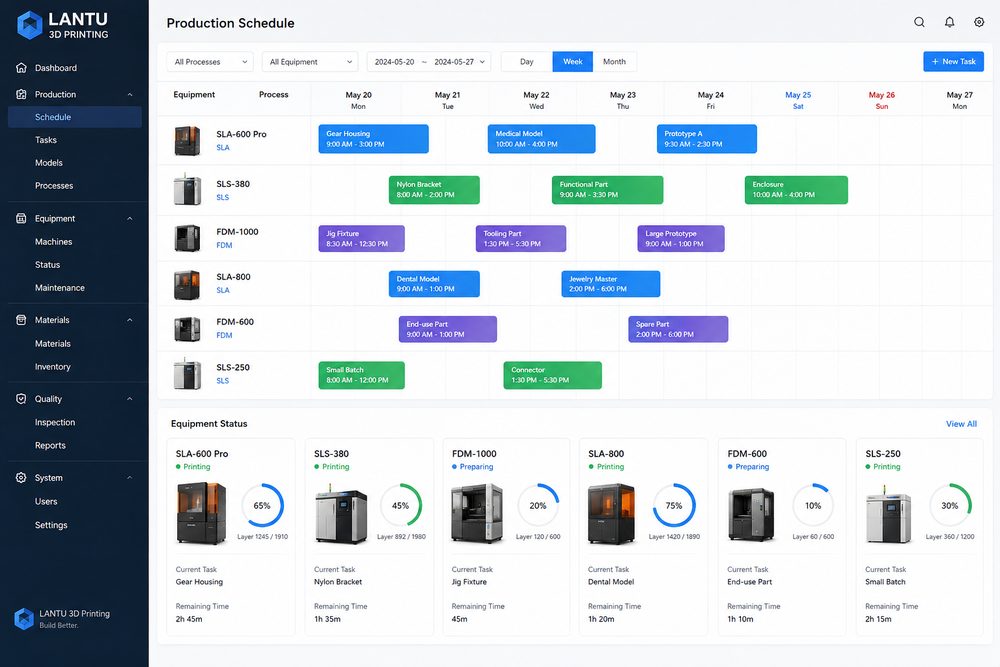
3D Printing Production Scheduling Optimization: Planning, Rush Orders, and Lead Time Commitments for Multi-Process Orders
Multi-process 3D printing orders often involve SLA, SLS, FDM, metal printing, CNC, and post-processing. Lead time commitments cannot be based on print time alone. This article explains how a 3D printing service platform can build a stable production scheduling system through capacity modeling, bottleneck identification, rush-order rules, post-processing queues, and exception feedback.
production scheduling

Enterprise Manufacturing
Packaging and Shipping Solutions for 3D Printed Parts: Protective Design from Fragile Prototypes to Small-Batch Delivery
The last mile from factory to customer site often determines whether earlier investments in design, materials, and post-processing truly turn into delivered value. This article breaks down packaging tiers, shipping validation, labeling traceability, and incoming inspection methods for fragile prototypes, small-batch functional parts, and complex geometries, helping businesses build an actionable protection plan for 3D printed deliveries.
3D printing services
Enterprise Manufacturing
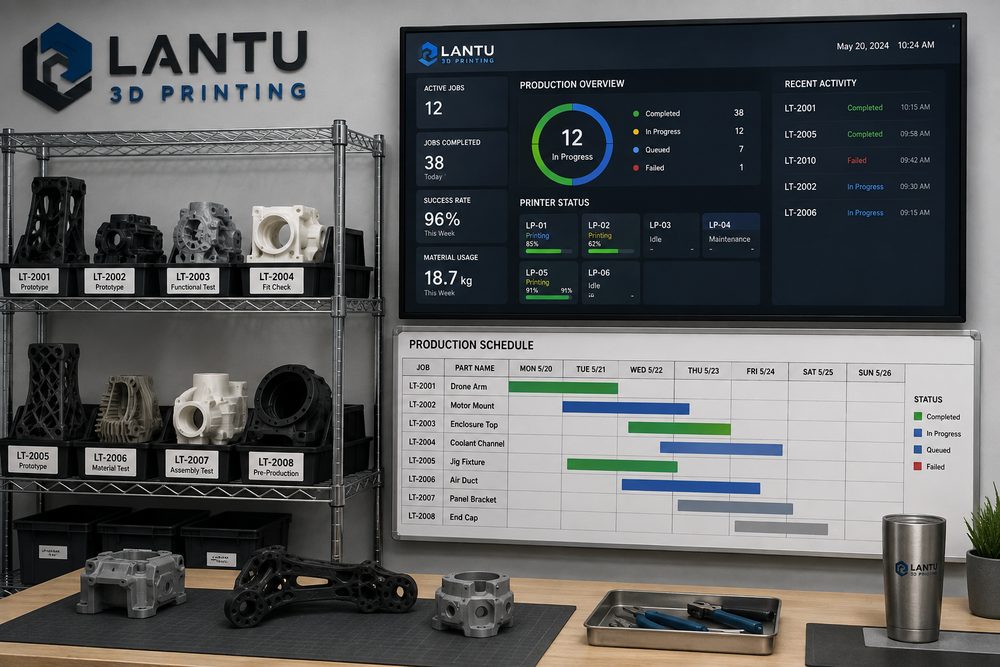
Small-Batch Production Management: Takt Control Methods for 3D Printing Orders from Trial Run to Delivery
The challenge of small-batch 3D printing is not single-part fabrication, but takt control when multiple models, materials, and post-processing steps run in parallel. This article explains how to turn prototyping experience into stable small-batch delivery capability from five aspects: order breakdown, capacity assessment, process kanban, quality gates, and delivery review.
quality control
Enterprise Manufacturing
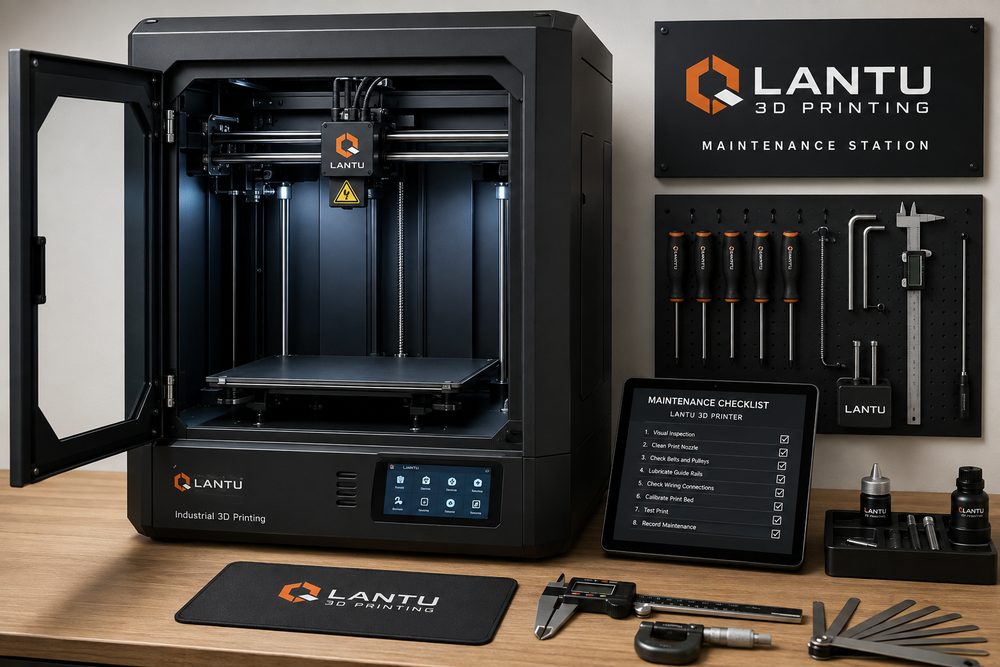
3D Printing Equipment Maintenance Plan: A Night Inspection Checklist to Reduce Downtime Risk
Stable delivery depends on equipment condition management. This article outlines maintenance methods for 3D printing service teams from five aspects: pre-print checks, consumables and environment, key component care, exception logging, and preventive maintenance planning, helping reduce downtime and batch quality fluctuation risks.
Quality Management
Enterprise Manufacturing
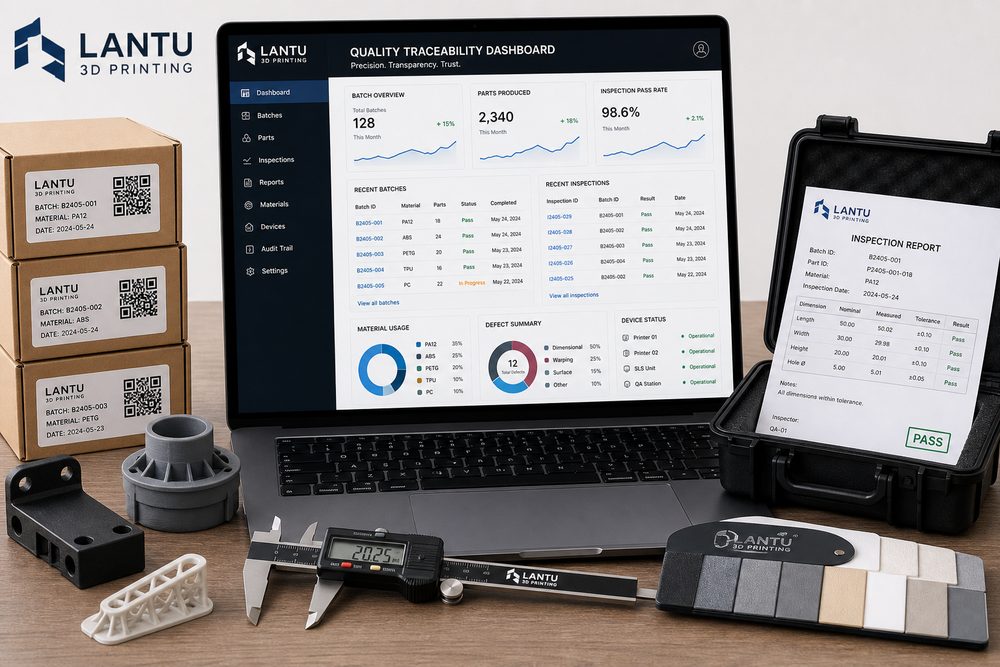
How to Build a 3D Printing Quality Traceability System: End-to-End Management from File Versions to Delivery Batches
Small-batch 3D printing jobs are more prone to version mix-ups, unclear material lots, and post-processing variation. This article breaks traceability into five stages—files, process, equipment, inspection, and packaging—to help companies build a delivery chain that is searchable, reviewable, and reusable.
quality control
Start From Here
Have a model, drawing, or only an idea?
Submit your requirement and our engineers will recommend a better design and manufacturing path based on use, size, quantity, material, tolerance and lead time.