No model yet, material choice and wall thickness are explained from a practical angle.
Knowledge Center
Blueprint News
lantu3D reviews wall thickness, structure, materials, process, quantity and finishing before quotation.
01Guides
02Materials
03Customer View
Content should help customer decisions
lantu3D articles focus on materials, processes, cost, modeling and manufacturability so customers understand key decisions before submitting a request.
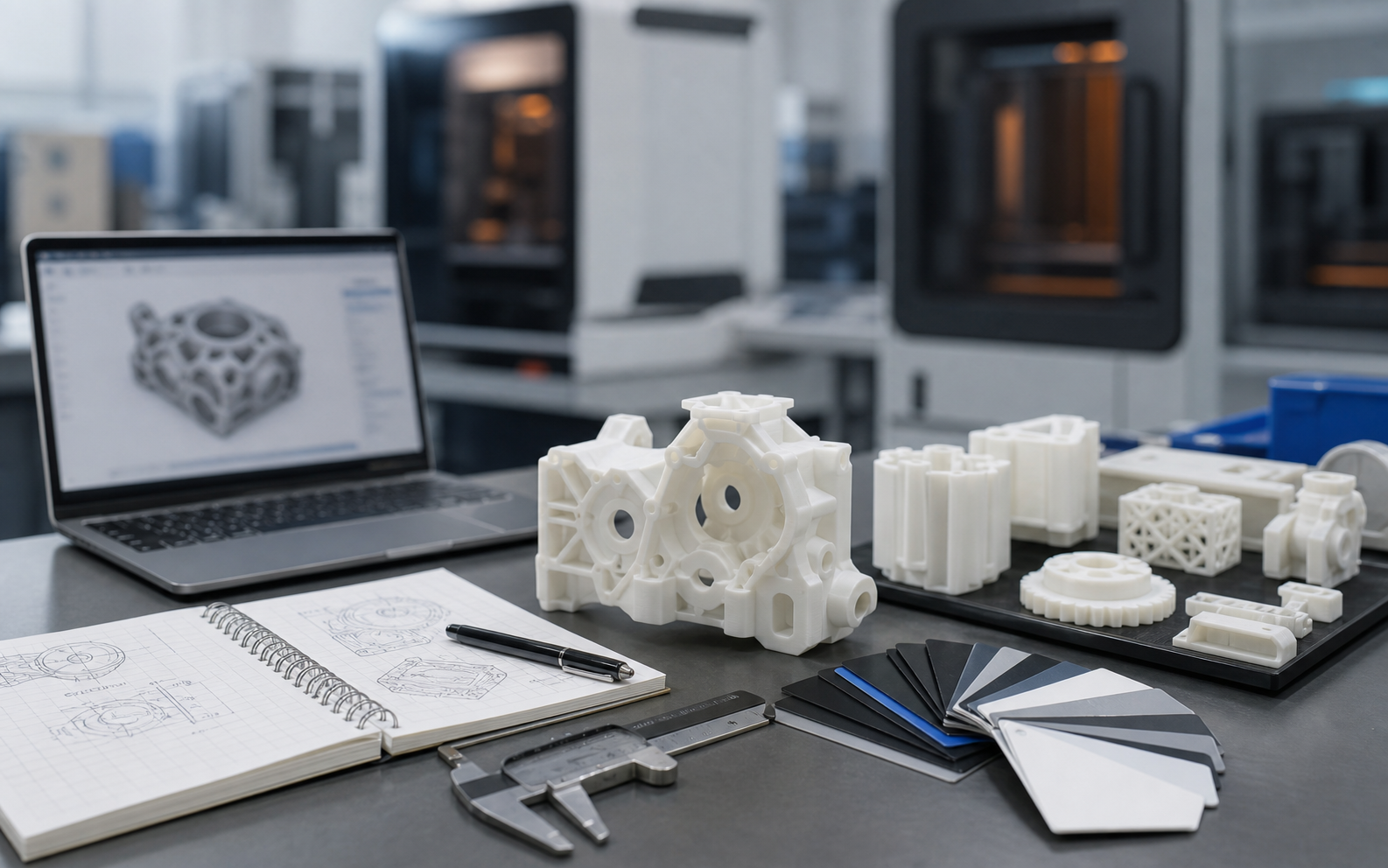
Prototype, fixture, custom part, small batch and cost-control topics for business users.
lantu3D is positioned as blueprint realization and lifecycle management, not just a print shop.
Enterprise Manufacturing
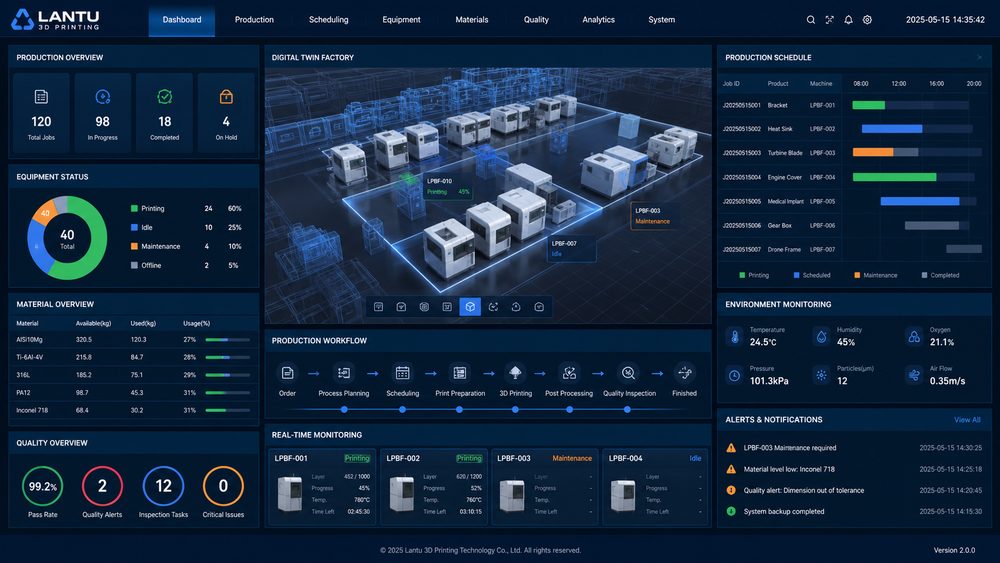
3D Printing Digital Transformation: An Upgrade Path from File Intake to Smart Manufacturing Nodes
Digital transformation in 3D printing is not just moving spreadsheets or cloud drives online. It is about creating a closed loop across files, quoting, scheduling, equipment, quality, and customer feedback. This article outlines an upgrade path from version management to smart manufacturing nodes, helping service platforms improve efficiency and transparency.
Enterprise Manufacturing
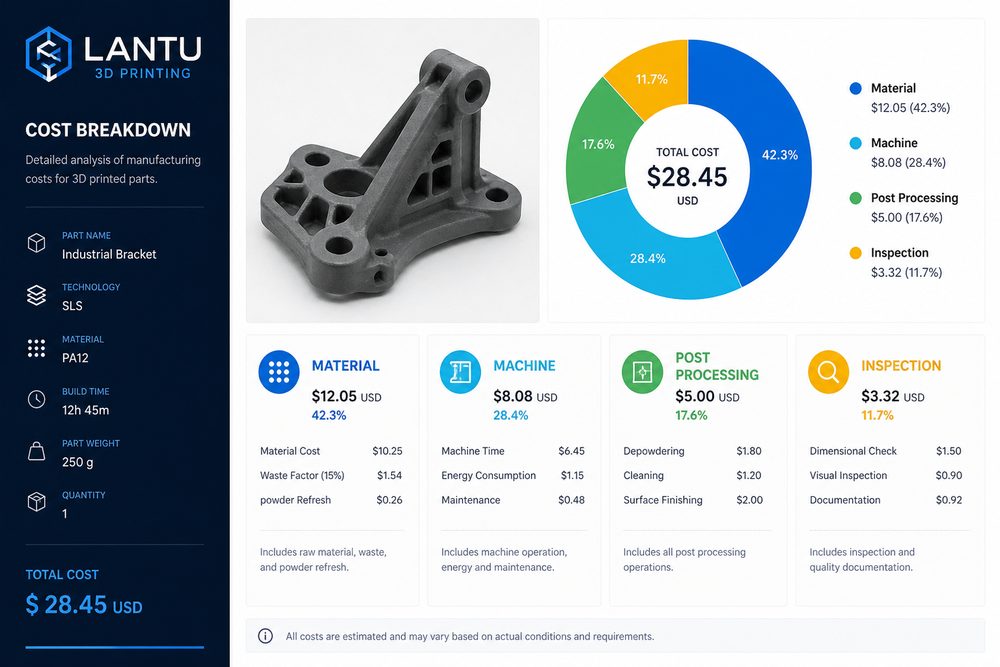
3D Printing Cost Control and Quotation Strategy: Why the Lowest Unit Price Is Not Always the Cheapest
3D printing cost is not just material plus machine time. This article explains how material, equipment, labor, post-processing, inspection, and risk costs affect quotations, and introduces design optimization, phased pricing, and data-driven cost models to help customers understand why the lowest unit price is not always the cheapest.

Enterprise Manufacturing
3D Printing Quality Management System: Ensuring Every Part Has Traceable Evidence
3D printing quality management cannot rely only on visual inspection before shipment. This article explains how to build a verifiable, reviewable quality management system from four angles—design inputs, process parameters, tiered inspection, and traceability systems—so every part has an evidence chain.
Quality Management
Enterprise Manufacturing
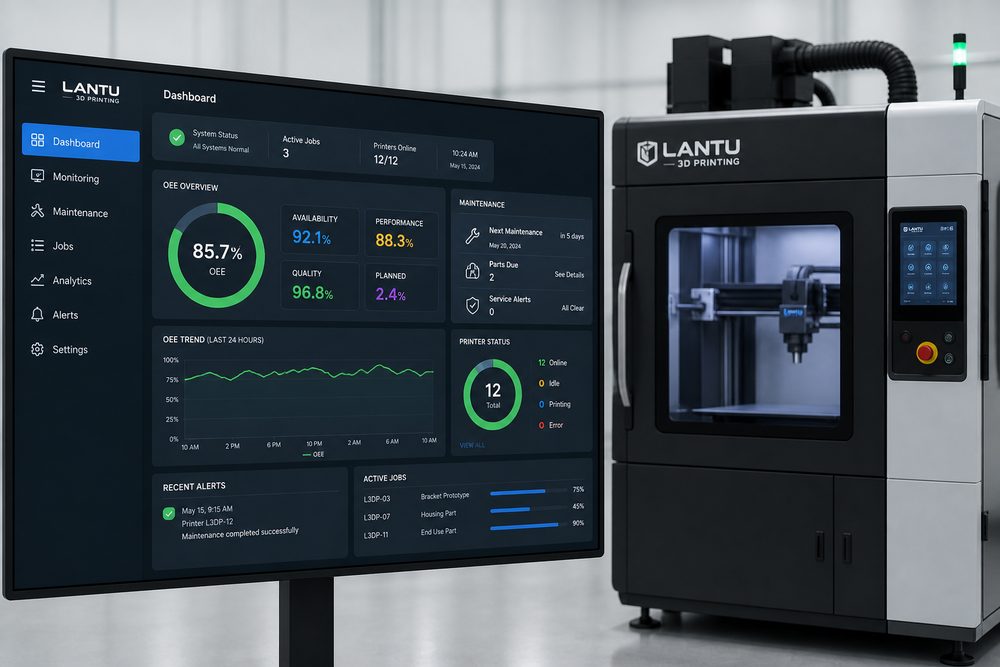
3D Printing Equipment Maintenance and OEE Improvement: Capacity Is No Longer About Machine Count
3D printing companies cannot increase capacity by adding more equipment alone. This article explains how preventive maintenance, fault classification, scheduling optimization, and OEE metrics can turn machine capability into stable delivery performance, reducing downtime, rework, and hidden waste.
Enterprise Manufacturing
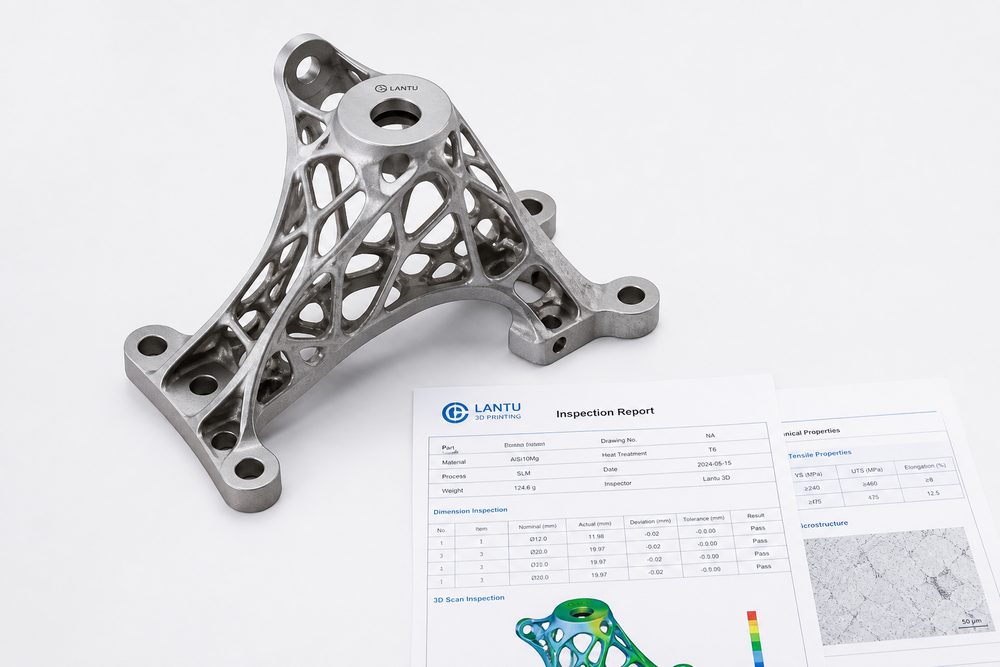
Aerospace 3D Printing Applications: How Lightweight Parts Move from Prototype to Airworthy Delivery
Aerospace 3D printing is not just about achieving a lighter form factor; it also requires a complete evidence chain. This article examines how topology optimization, process validation, post-processing, inspection, and digital traceability work together to move metal printed parts from R&D prototypes to reliable delivery.
Enterprise Manufacturing
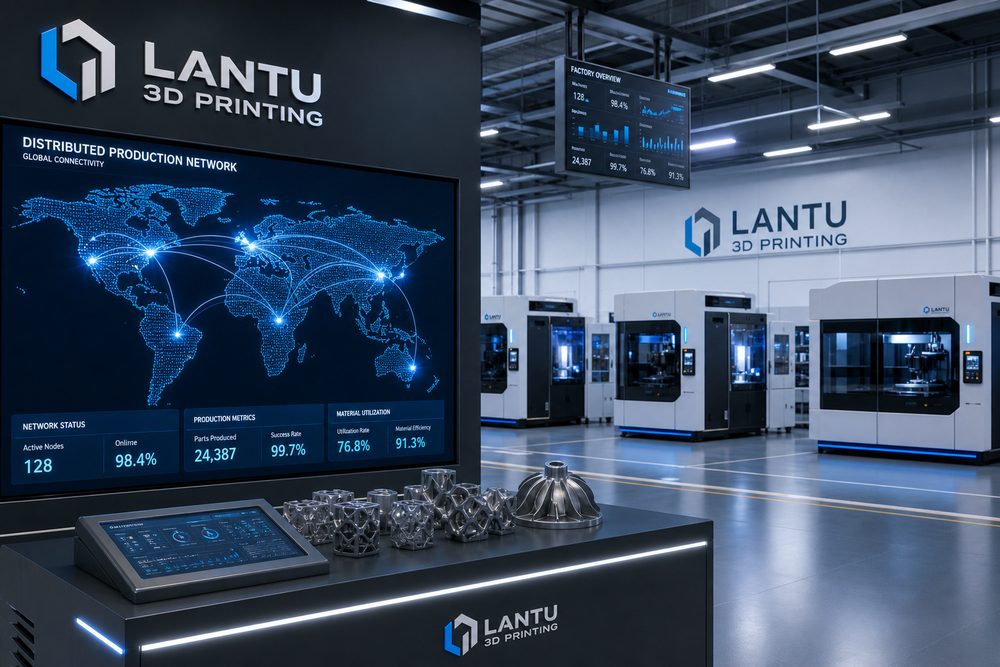
From Prototyping Tool to Digital Production Node: 3D Printing Industry Development Trends and 2026 Outlook
3D printing is shifting from a rapid prototyping tool to a key node in digital manufacturing systems. Material systems, equipment automation, quality traceability, distributed production, and design service capabilities will together shape the competitive landscape. This article analyzes the trends worth watching over the next year.
Enterprise Manufacturing
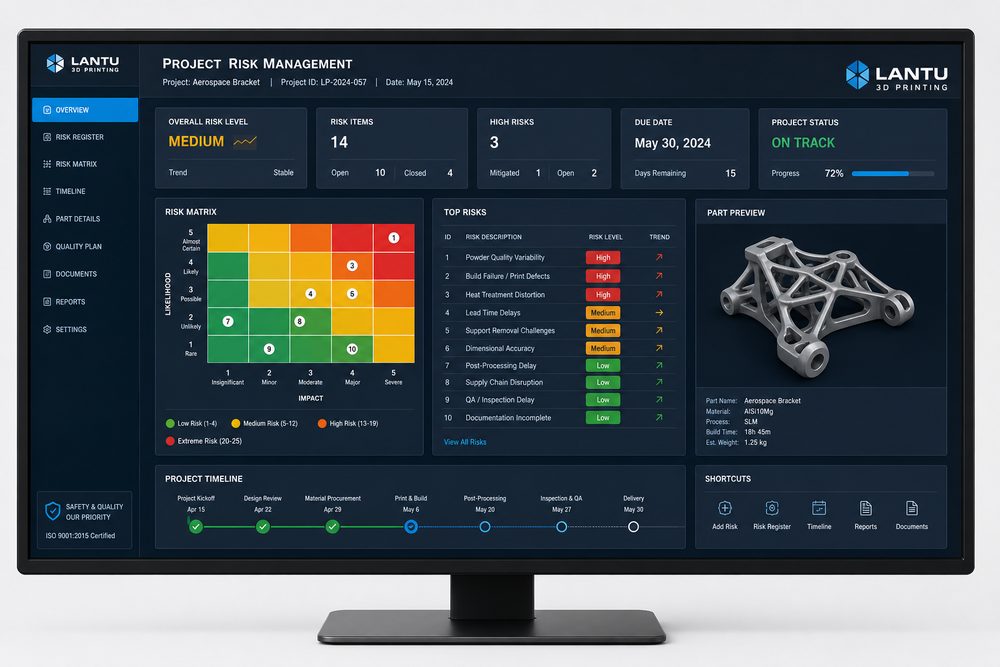
Tight Deadlines, Complex Structures, Rapidly Changing Requirements: A Practical Risk Management Framework for 3D Printing Projects
Risks in 3D printing projects come from unclear requirements, model defects, material mismatches, machine fluctuations, post-processing uncertainty, and differences in customer acceptance. This article provides a framework for identifying, assessing, controlling, and reviewing risks to help service teams improve delivery stability.
Enterprise Manufacturing
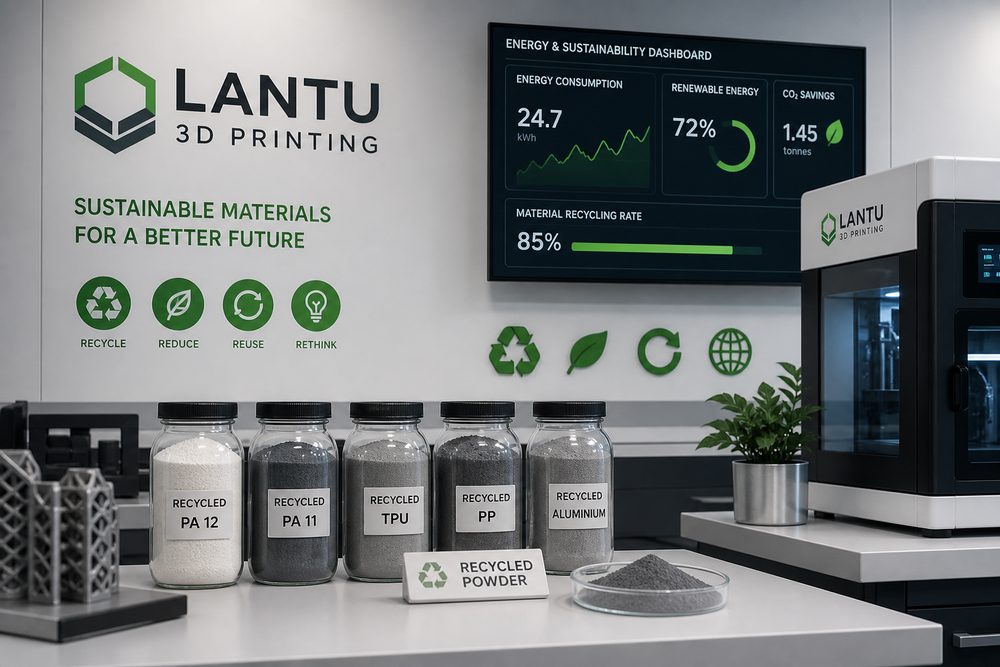
Less Waste Does Not Mean Zero Waste: The Real Path to Sustainable 3D Printing
3D printing is often called green manufacturing, but material utilization, energy consumption, powder refresh, resin waste liquid, post-processing, and logistics all affect its real environmental performance. This article discusses sustainable development paths from four angles: design reduction, material management, energy optimization, and recycling and compliance.

Enterprise manufacturing
From support removal to heat treatment: How 3D printing post-processing determines final delivery quality
Introduction: Turning single-point technology into stable delivery capabilities From support removal to heat treatment: The core of how 3D printing post-processing determines the final delivery quality is not to make a certain link more beautiful alone, but to connect design, materials, equipment, technology, inspection and delivery into a repeatable engineering chain. For practitioners, the most common problems in 3D printing projects are often not at the moment when the printing button is pressed, but in the gaps between requirement definition, parameter selection, process control and delivery verification. lantu3D pays more attention to the full life cycle management from blueprint to physical objects: allowing everyone to
Enterprise Manufacturing
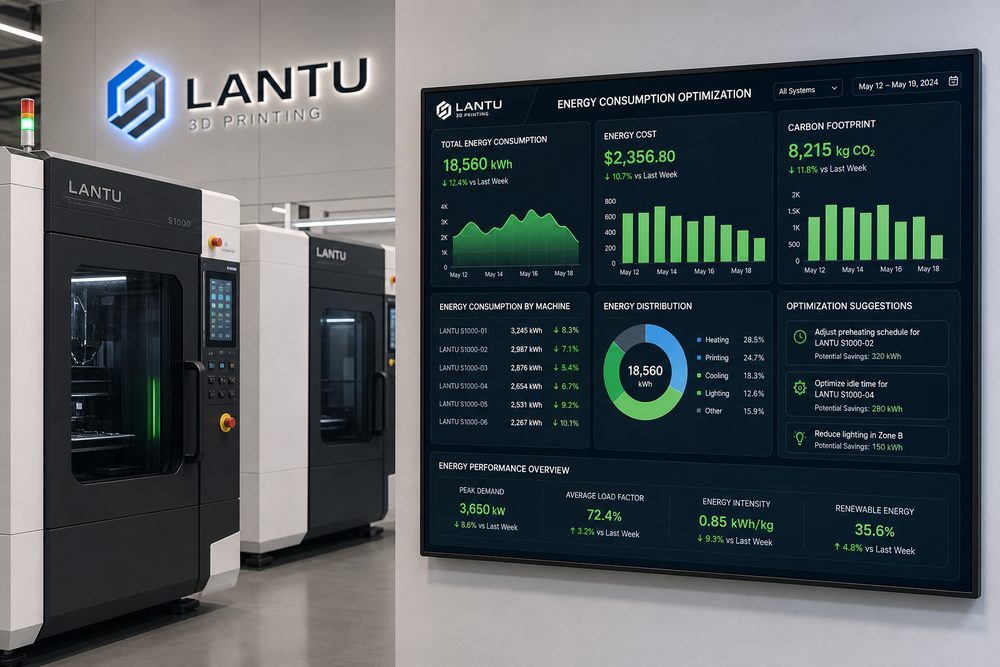
Reducing Energy Consumption per Part: Process and Management Paths for Optimizing 3D Printing Energy Use
This article explores how to optimize 3D printing energy consumption, drawing on lantu3D’s project experience across the full journey from design intent to physical delivery. It analyzes common management conflicts between orders, processes, quality, delivery, and cost, and provides actionable workflows, data indicators, and implementation checklists to help industry practitioners evolve 3D printing from a one-off prototyping capability into a repeatable, traceable, and continuously improving manufacturing service.

Enterprise Manufacturing
Buy Equipment or Use a Service? A Cost Model and Risk Assessment for 3D Printing Equipment Investment Decisions
This article examines 3D printing equipment investment decision-making through the lens of project experience across the full journey from design blueprint to physical delivery at lantu3D Printing. It analyzes common management tensions between orders, processes, quality, delivery, and cost, and provides actionable workflows, data metrics, and implementation checklists to help industry professionals evolve 3D printing from a one-off prototyping capability into a repeatable, traceable, and continuously optimized manufacturing service capability.

Enterprise Manufacturing
Every Part Is Traceable: Key Points for Building a 3D Printing Quality Traceability System
This article explores 3D printing quality traceability systems and, drawing on lantu3D Printing’s project experience across the full journey from design blueprint to physical delivery, examines common management tensions among orders, processes, quality, delivery, and cost. It also provides actionable workflows, data indicators, and implementation checklists to help industry practitioners upgrade 3D printing from a one-off prototyping capability into a repeatable, traceable, and continuously optimizable manufacturing service.
Start From Here
Have a model, drawing, or only an idea?
Submit your requirement and our engineers will recommend a better design and manufacturing path based on use, size, quantity, material, tolerance and lead time.