No model yet, material choice and wall thickness are explained from a practical angle.
Knowledge Center
Blueprint News
lantu3D reviews wall thickness, structure, materials, process, quantity and finishing before quotation.
01Guides
02Materials
03Customer View
Content should help customer decisions
lantu3D articles focus on materials, processes, cost, modeling and manufacturability so customers understand key decisions before submitting a request.
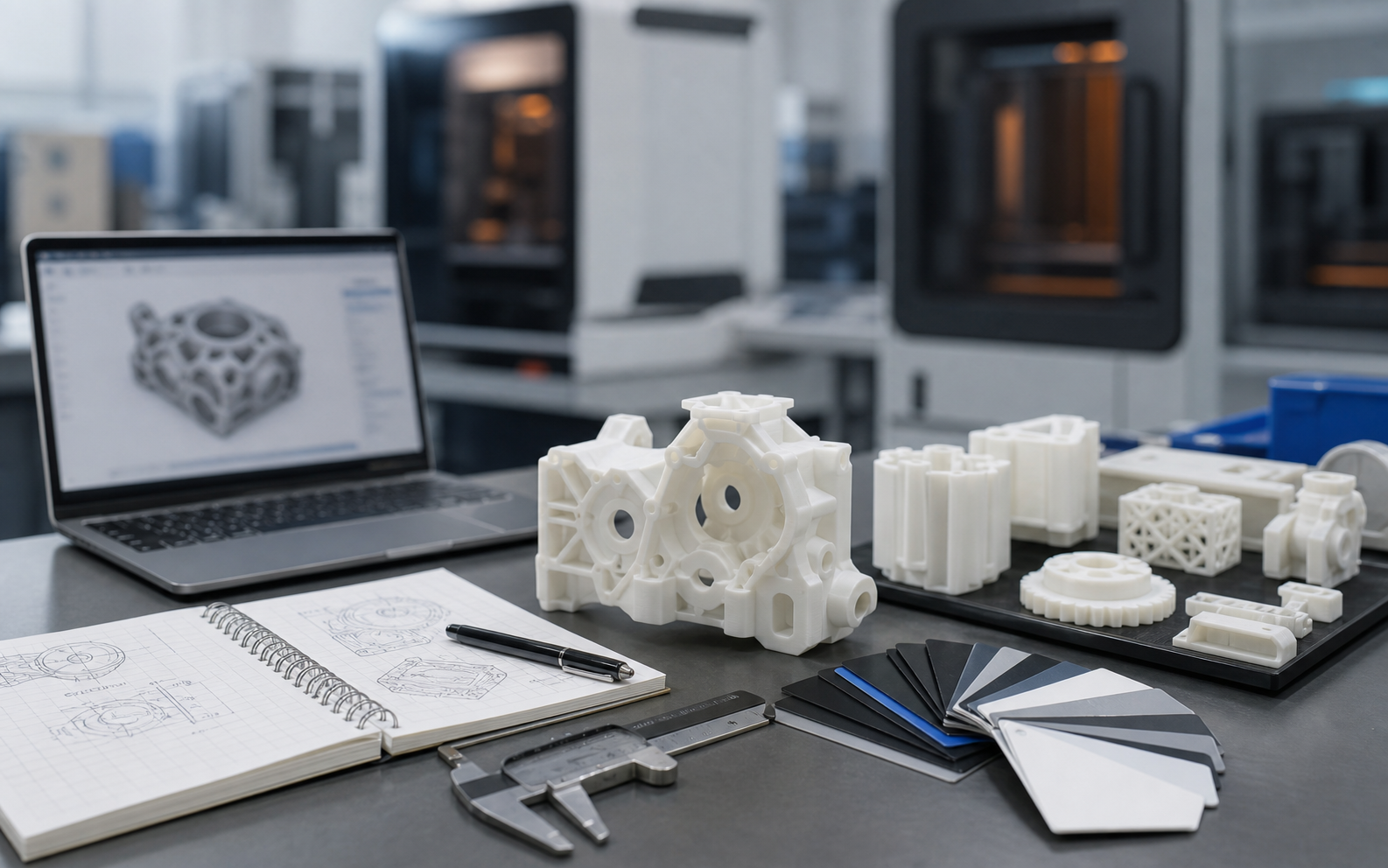
Prototype, fixture, custom part, small batch and cost-control topics for business users.
lantu3D is positioned as blueprint realization and lifecycle management, not just a print shop.
Enterprise Manufacturing
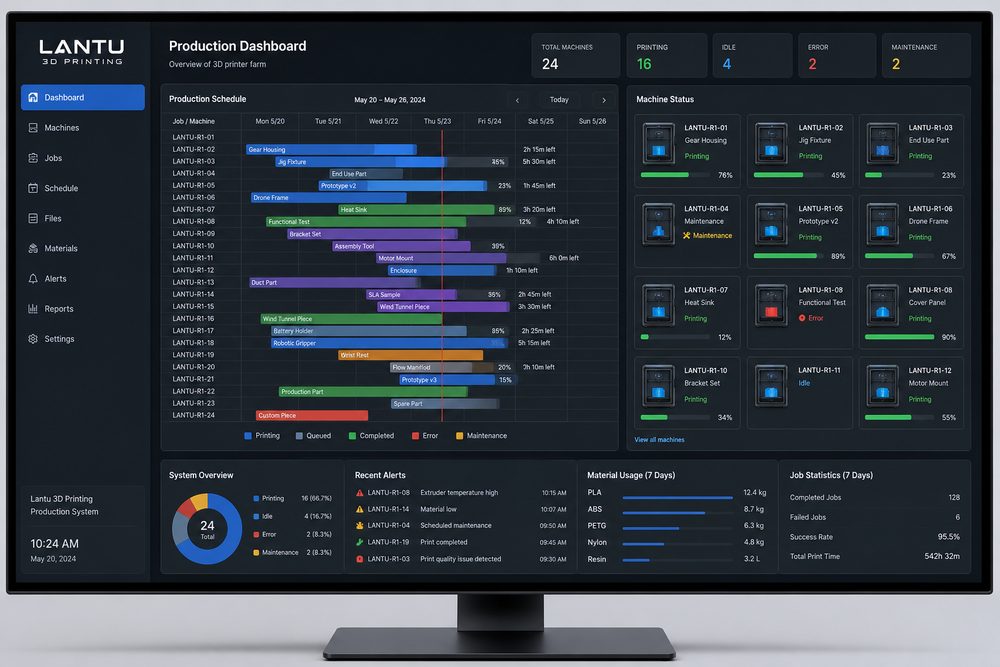
The More Orders You Have, the More You Need to Know How to Schedule: Practical Methods for Optimizing 3D Printing Production Scheduling
3D printing production scheduling must balance equipment utilization, material batches, post-processing capacity, and delivery priorities. This article explains how to build order grading, equipment task pools, bottleneck identification, and dynamic adjustment mechanisms so that multi-variety, small-batch orders remain controllably deliverable even during peak periods.
Enterprise Manufacturing
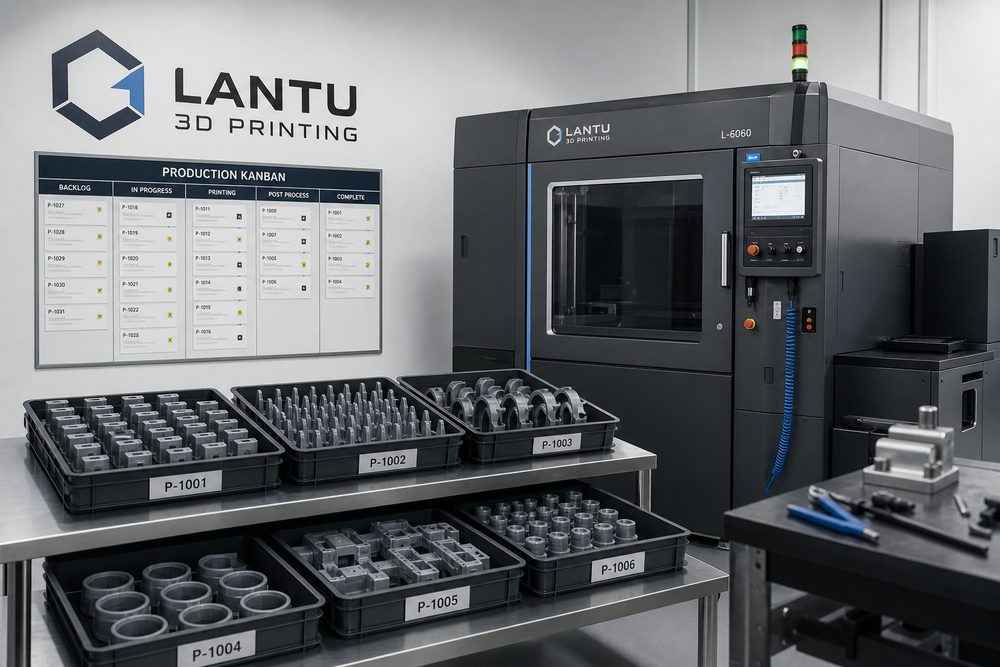
From Prototyping to Delivery: 10 Key Control Points for 3D Printing Small-Batch Production Management
Small-batch production is not about printing the same prototype a few more times; it is about turning requirement confirmation, process freeze, scheduling, quality inspection, and delivery into a traceable closed loop. This article, from the project management perspective of lantu3D, outlines the key control points for 3D printing small-batch orders from prototyping to delivery, helping companies maintain stable cost, lead time, and quality at scales of dozens to hundreds of pieces.
quality control
Enterprise Manufacturing
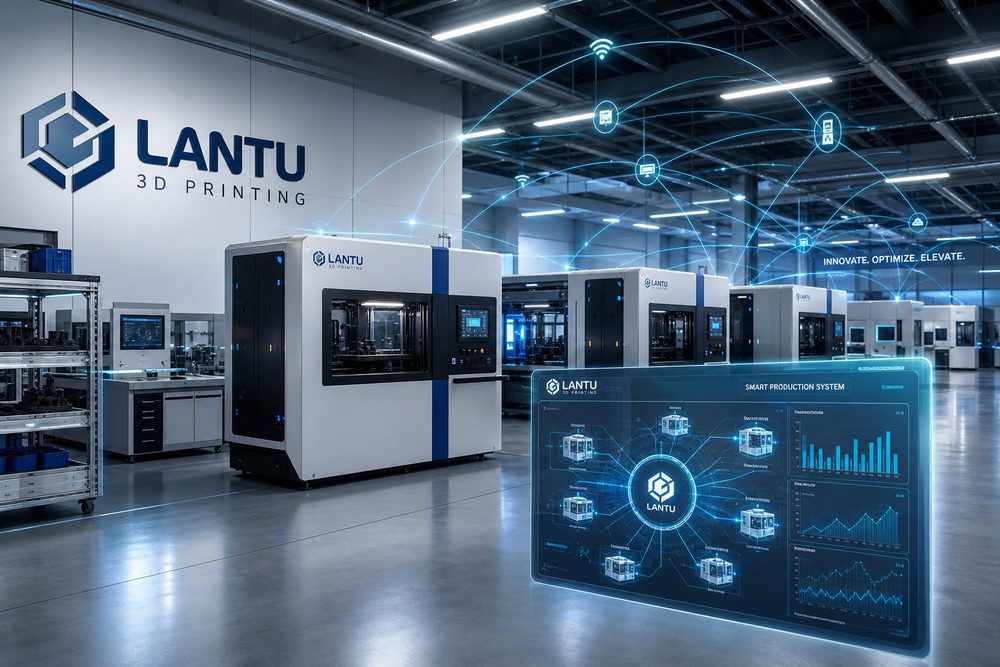
From Rapid Prototyping to a Digital Manufacturing Node: 3D Printing Industry Trends and Future Outlook
3D printing is evolving from a prototyping tool into an important node in the digital manufacturing network. This article analyzes the industry's future direction from the perspectives of materials, software, automation, quality certification, and business models.
Enterprise Manufacturing
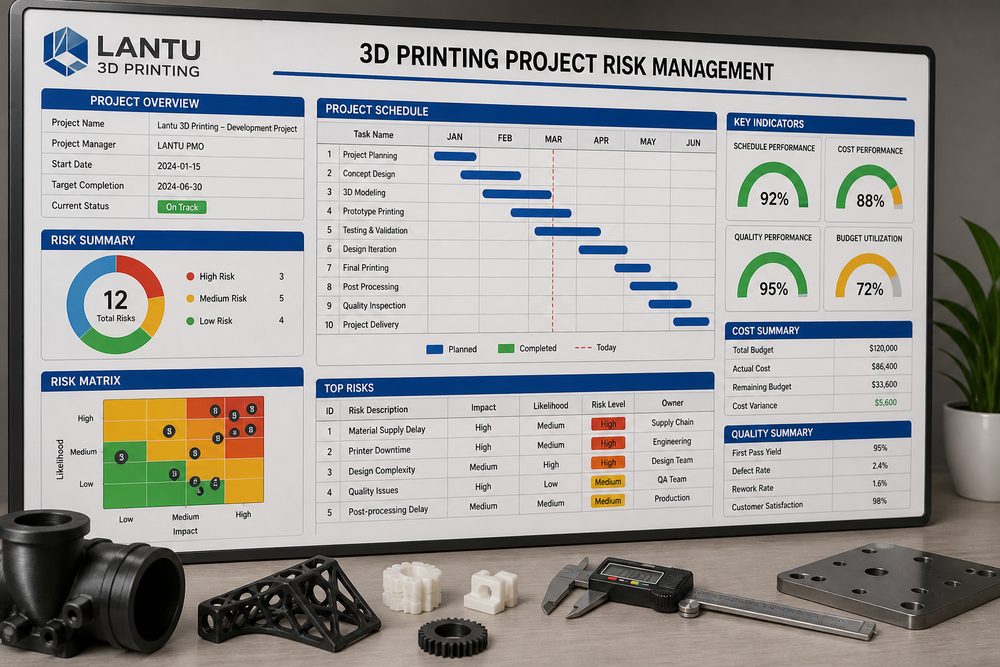
3D Printing Project Risk Management Under Triple Constraints of Lead Time, Quality, and Cost
3D printing projects often face model changes, material uncertainty, machine scheduling, and pressure from customer delivery deadlines at the same time. This article provides methods for risk identification, classification, response, and post-project review to improve project controllability.
Quality Management
Enterprise Manufacturing
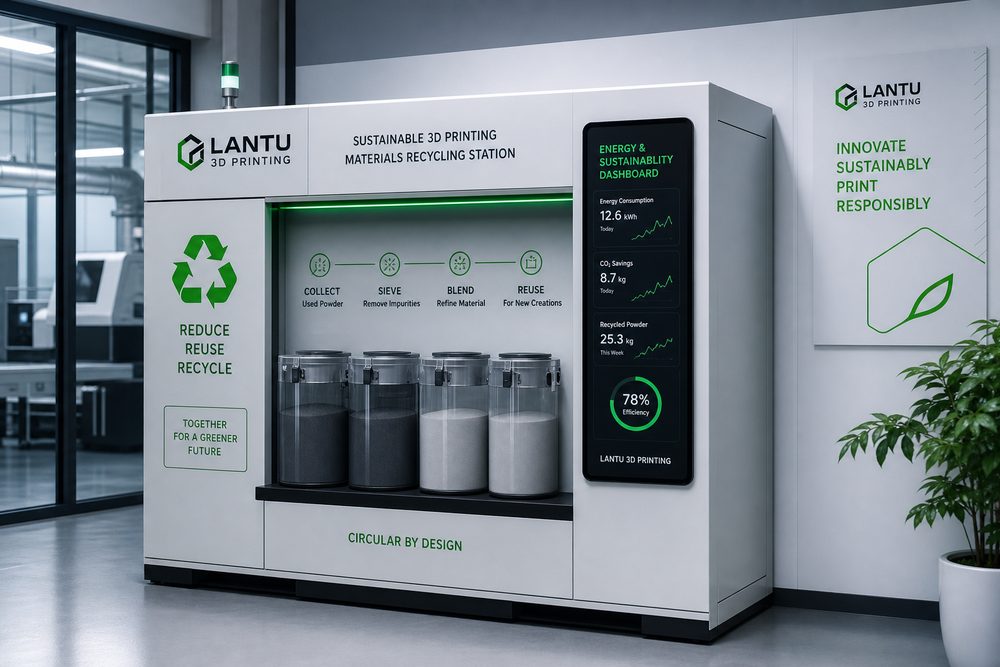
Cut Costs, Cut Carbon Too: Engineering Practices for Sustainability in 3D Printing
3D printing offers green potential through on-demand manufacturing, reduced material waste, and integrated complex structures, but it also faces challenges in energy consumption, material recycling, and post-processing emissions. This article analyzes the key paths to sustainable practice.
Enterprise Manufacturing
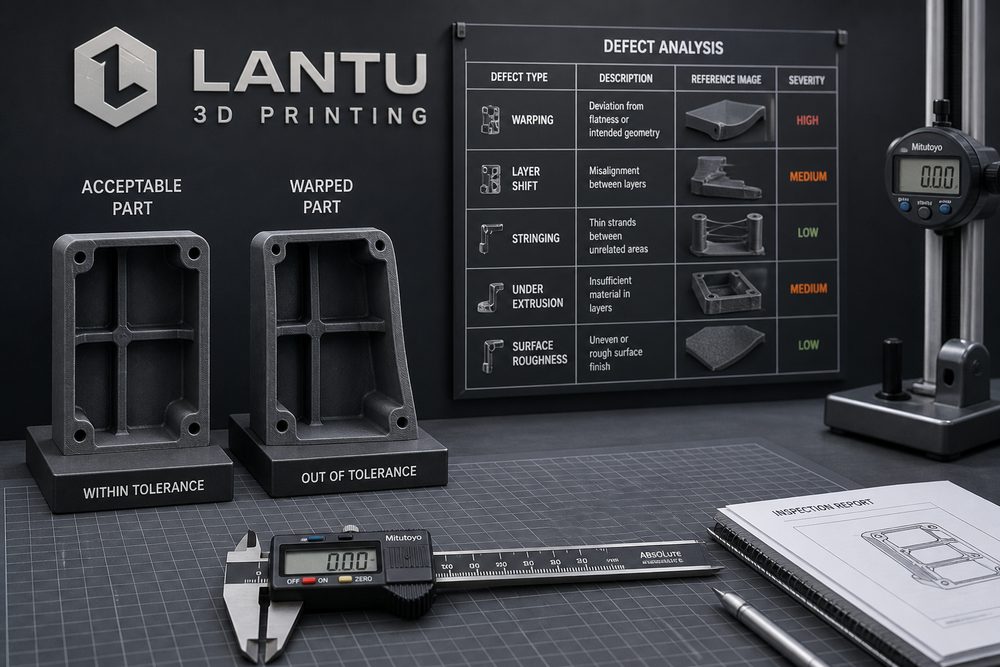
Warping, Cracking, and Hole Position Deviations: A Systematic Approach to 3D Printing Defect Analysis and Prevention
3D printing defects are often not single-point failures, but the result of design, material, parameter, and environmental factors acting together. This article reviews common defect identification methods, root-cause analysis frameworks, and preventive measures.
Enterprise Manufacturing
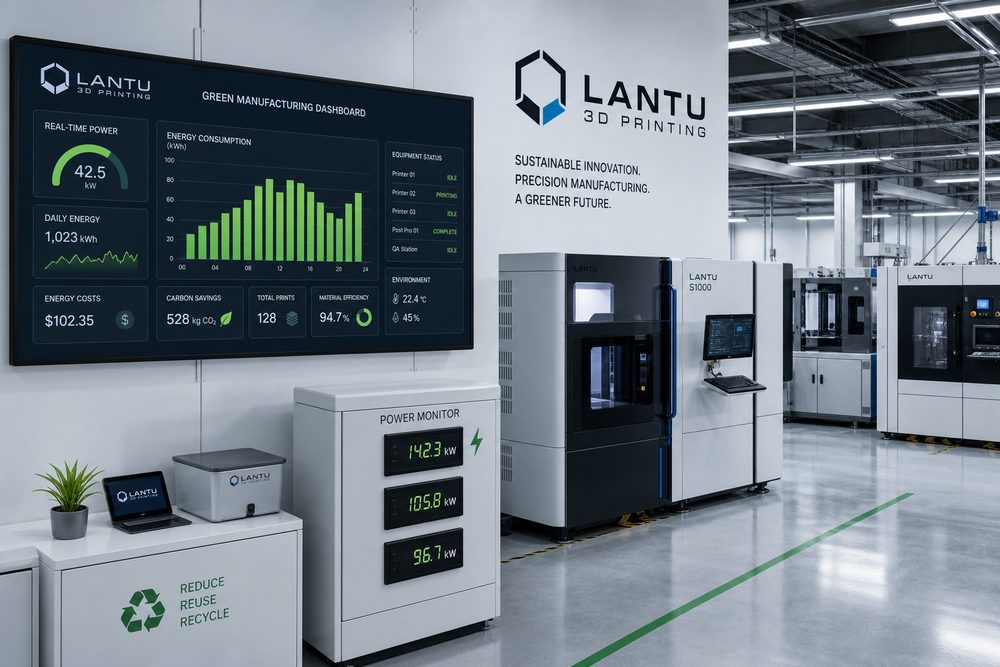
Cut Costs and Carbon: Technical Paths and Management Methods for Optimizing 3D Printing Energy Consumption
Energy use in 3D printing comes from machine operation, preheating, cooling, post-processing, and environmental control. This article explores how to reduce energy costs and carbon emissions while maintaining quality through energy measurement, scheduling optimization, material and process selection, equipment maintenance, and management metrics.
Enterprise Manufacturing
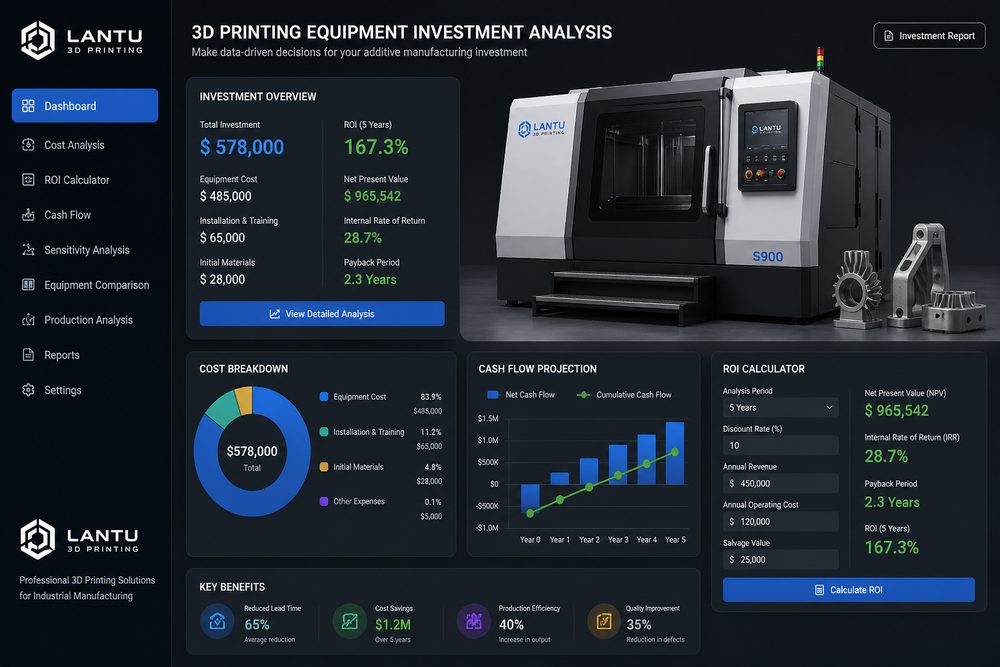
Buy Equipment or Buy Services? A Cost, Capability, and Risk Analysis for 3D Printing Equipment Investment Decisions
Whether a company should purchase its own 3D printing equipment cannot be judged only by machine quotes and per-part material costs. This article offers an equipment investment decision framework from the perspectives of total cost of ownership, capacity utilization, team capability, material scope, quality responsibility, and external service collaboration.
Enterprise Manufacturing
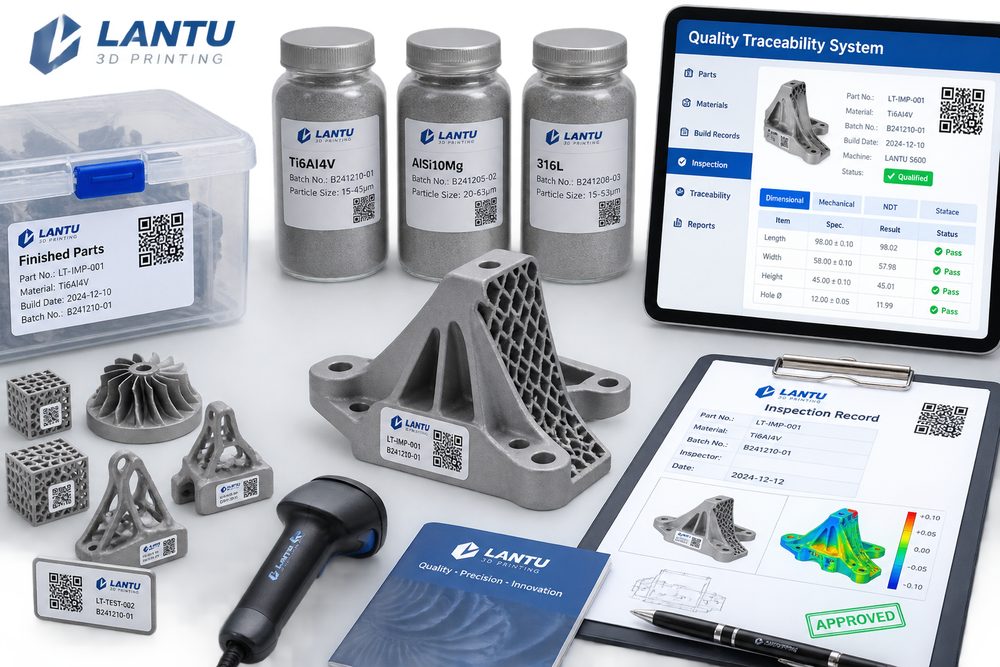
Every Part Can Be Traced to Its Source: A Guide to Building a 3D Printing Quality Traceability System
A quality traceability system lets 3D-printed parts be traced across models, materials, equipment, parameters, post-processing, and inspection results. This article explains the core fields, process nodes, and digital methods to help companies reduce quality disputes and improve confidence in batch delivery.
additive manufacturing
Enterprise Manufacturing
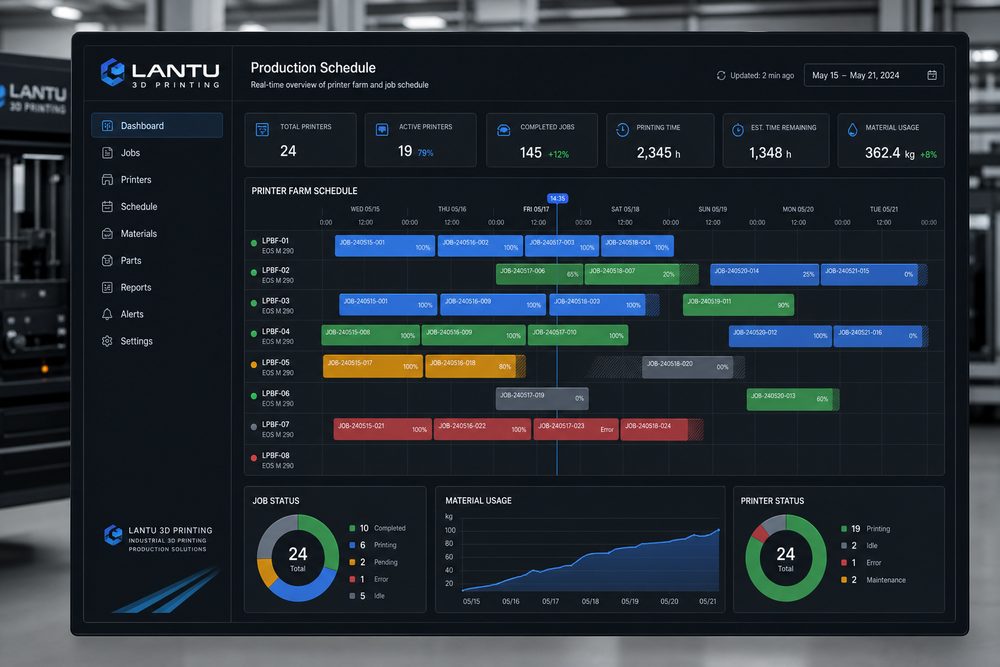
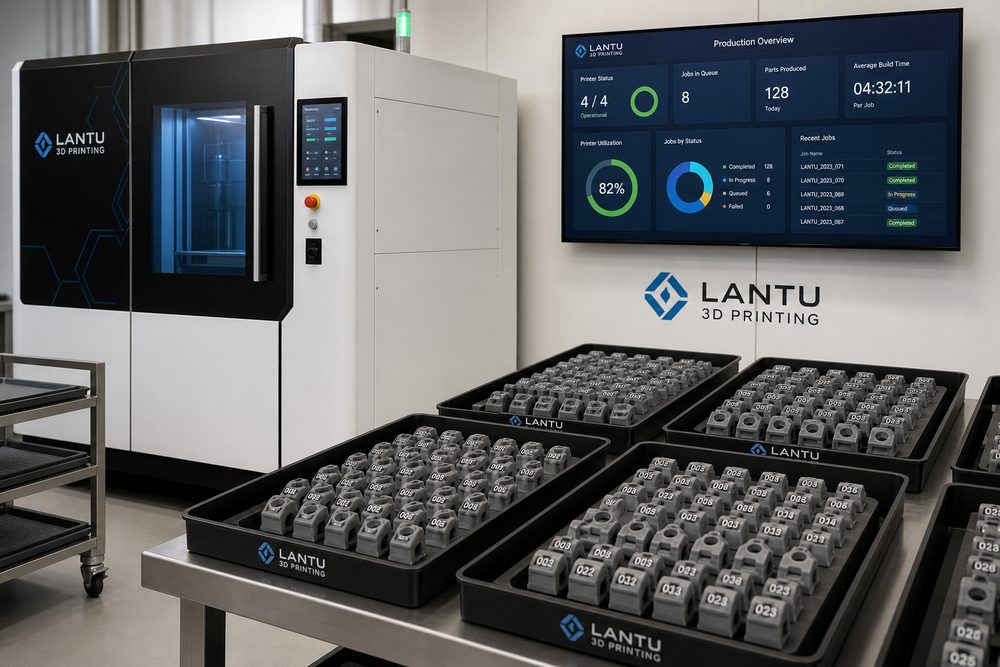
The More Orders You Have, the More Carefully You Need to Plan: Resource Models and Practical Methods for 3D Printing Production Scheduling Optimization
3D printing production scheduling is more than just placing files into machines. This article explains how to build an actionable scheduling model based on machine capability, material changes, post-processing bottlenecks, delivery priorities, and urgent insert orders to improve equipment utilization and on-time delivery.
production scheduling
Enterprise Manufacturing
Small Batch Is Not a “Small Project”: Planning, Cost, and Quality Control for Small-Batch 3D Printing Production
When 3D printing moves from single-part prototyping to small-batch delivery of 10, 50, or even hundreds of parts, the management focus shifts from “Can it be printed?” to “Can it be delivered consistently, on time, and with full traceability?” This article outlines the key management methods for small-batch production, covering order splitting, capacity scheduling, quality inspection, cost accounting, and review loops.
additive manufacturing
quality control
Enterprise Manufacturing
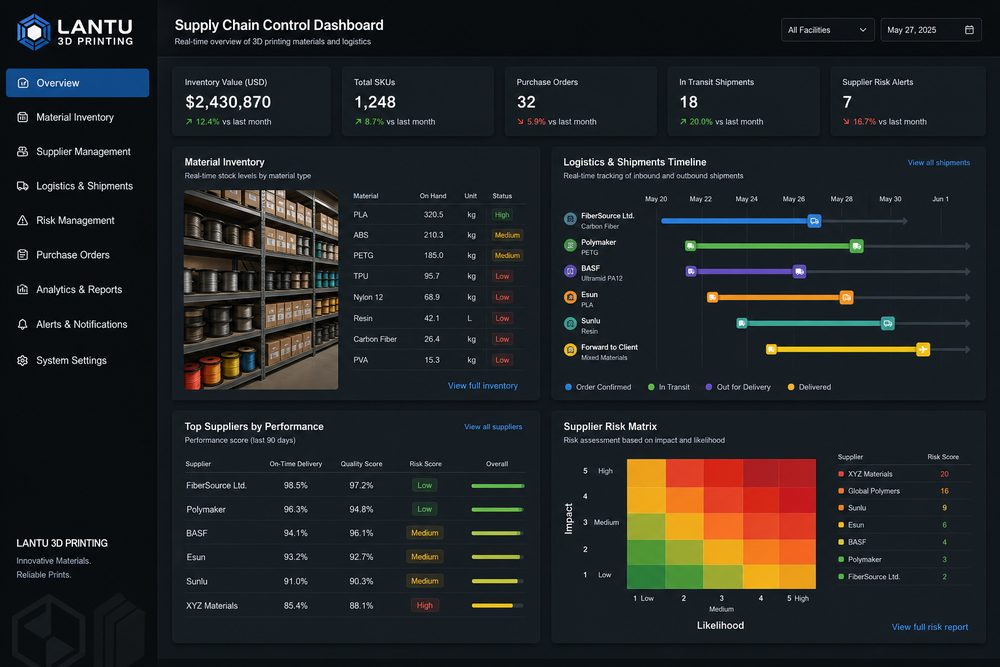
3D Printing Supply Chain Management: How to Coordinate Materials, Outsourcing, and Lead-Time Risks
Although 3D printing can shorten parts of the manufacturing chain, materials, post-processing, inspection, outsourcing, and logistics still affect delivery. This article explains how to coordinate lead-time and quality risk control from the perspectives of inventory tiering, outsourced capability profiling, critical paths, and supply chain data.
Start From Here
Have a model, drawing, or only an idea?
Submit your requirement and our engineers will recommend a better design and manufacturing path based on use, size, quantity, material, tolerance and lead time.