No model yet, material choice and wall thickness are explained from a practical angle.
Knowledge Center
Blueprint News
lantu3D reviews wall thickness, structure, materials, process, quantity and finishing before quotation.
01Guides
02Materials
03Customer View
Content should help customer decisions
lantu3D articles focus on materials, processes, cost, modeling and manufacturability so customers understand key decisions before submitting a request.
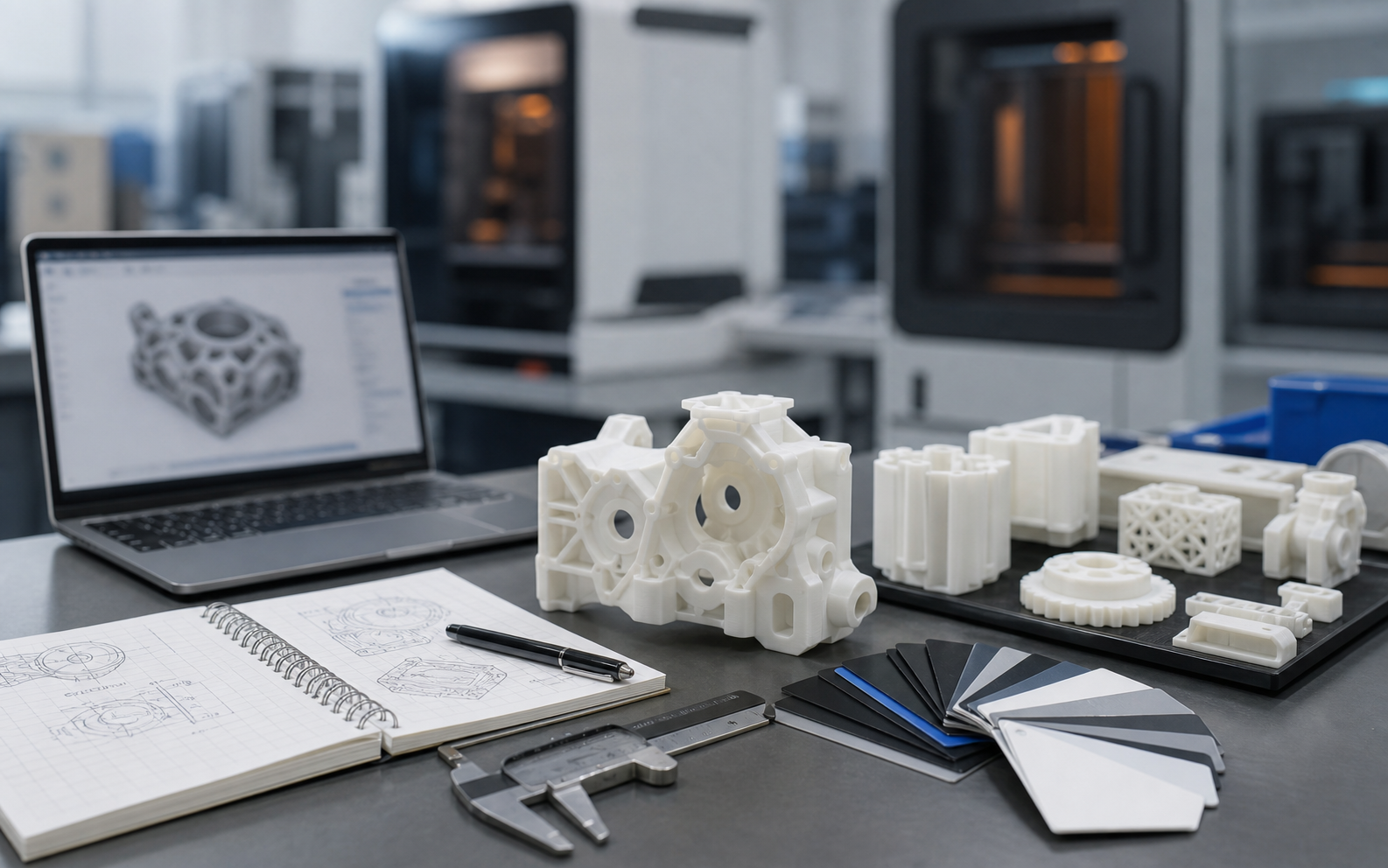
Prototype, fixture, custom part, small batch and cost-control topics for business users.
lantu3D is positioned as blueprint realization and lifecycle management, not just a print shop.
Materials and Processes
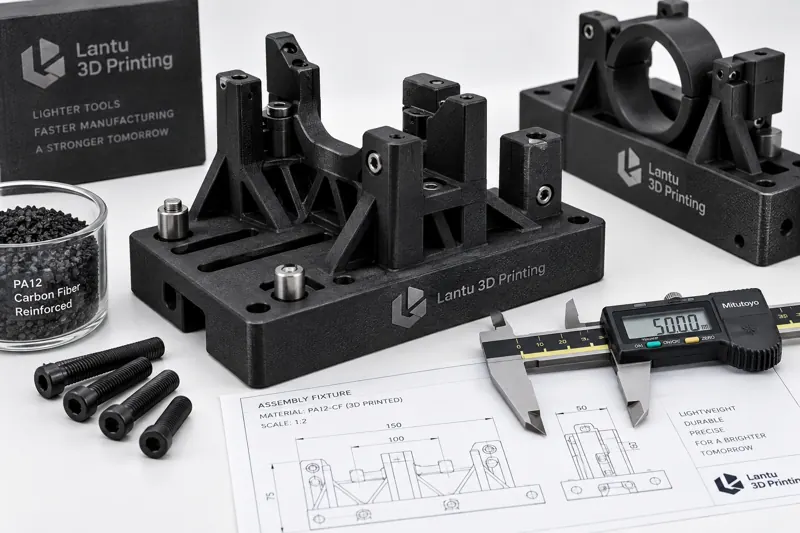
Applications of High-Performance Composite Materials in 3D Printing Fixtures: An Engineering Path from Lightweighting to Durability
For automotive, electronics, and low-volume assembly scenarios, composite-material 3D-printed fixtures are replacing some machined aluminum fixtures. This article explains how to achieve a measurable balance between weight, stiffness, heat resistance, and lead time across five stages: material selection, structural design, process window, post-processing, and service-life validation.

Materials and Processes
How Material Innovation Improves Delivery Reliability for Functional 3D Printed Parts
This article examines, from application scenario parameters, staged material selection, and quality validation, how 3D printing material innovation evolves from merely printable to an engineering capability that is deliverable, traceable, and reusable.
Materials and Processes
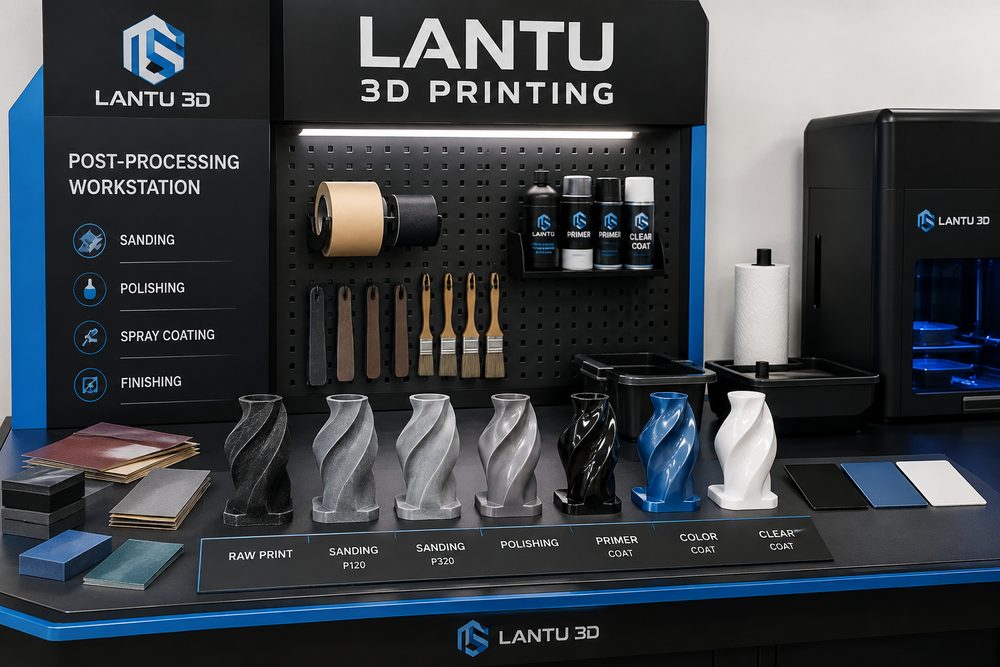
How Post-Processing Technology Determines the Final Delivery Quality of 3D Printed Parts
Post-processing directly affects the appearance, dimensions, assembly fit, and reliability of 3D printed parts. Drawing on typical workflows for SLA, SLS, FDM, and metal printing, this article explains how to reserve process allowances early in design reviews and reduce rework risk through process sheets, dimensional rechecks, and first-article approval.
quality control
Materials and Processes
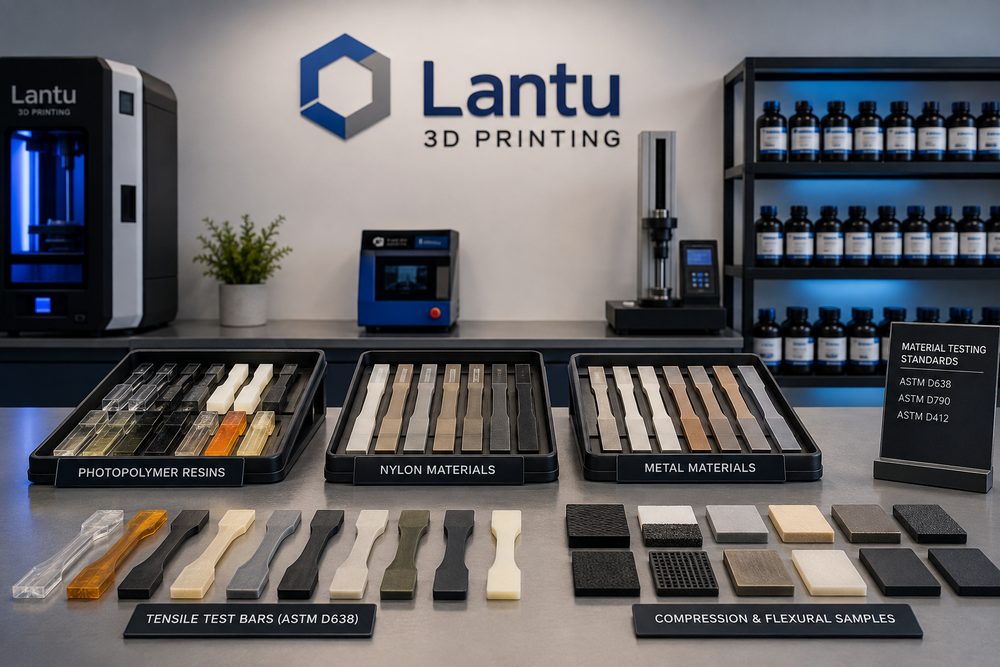
From Material Innovation to Performance Validation: A New Approach to Material Selection for Functional 3D Printed Parts
The key to functional 3D printing is not just whether a part can be formed, but whether material performance, process window, post-processing, and validation methods collectively support the final use case. This article explains how to reduce material selection risk through four steps: requirement breakdown, material screening, sample validation, and delivery traceability.
Materials and Processes
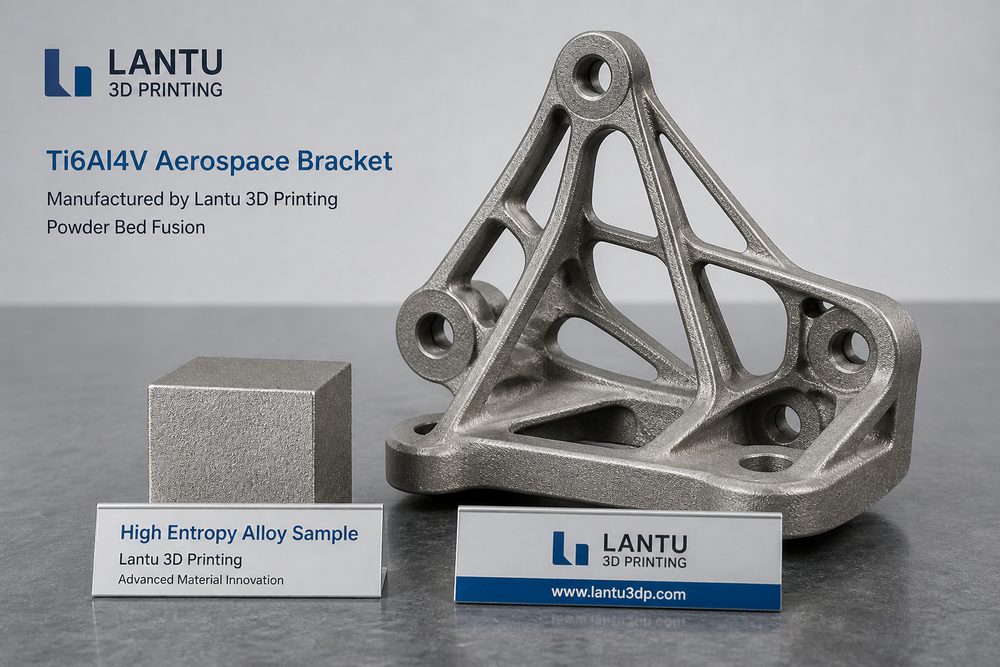
Metal 3D Printing Material Innovation: Engineering Choices from Ti6Al4V to High-Entropy Alloys
Metal 3D printing materials are moving from general-purpose grades toward application-specific performance design. This article examines Ti6Al4V, aluminum alloys, stainless steel, high-entropy alloys, and functionally graded materials, and analyzes the relationship between material selection, process windows, post-processing, and inspection validation to help companies build a material decision framework from blueprint to physical delivery.
Materials and Processes
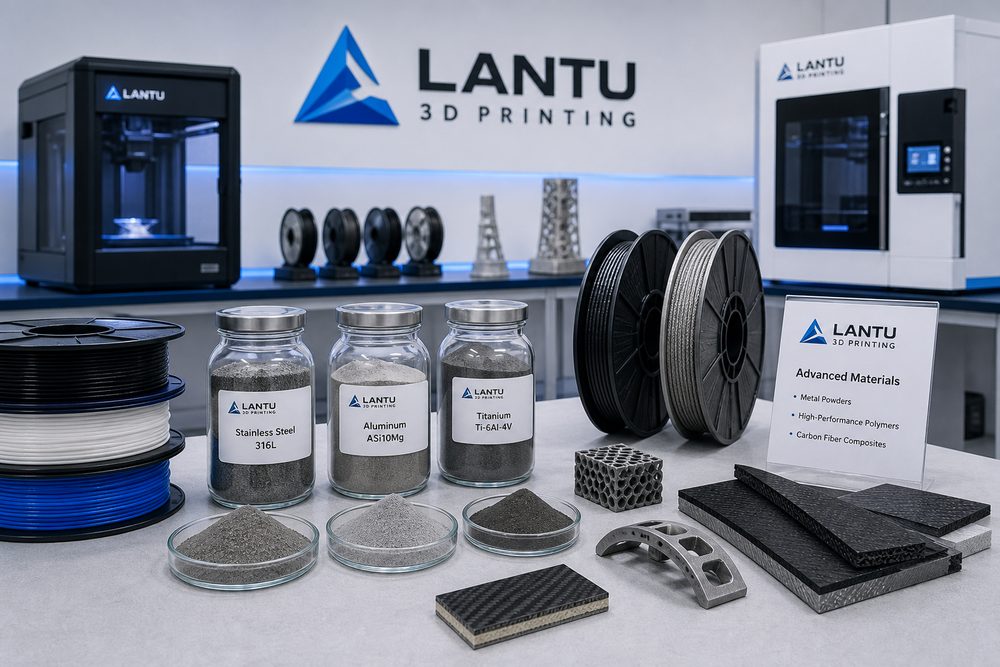
From Metals to Composites: How 2026 3D Printing Material Innovations Are Reshaping Engineering Material Selection
Material innovation is changing the cost, performance, and delivery boundaries of 3D printing projects. This article reviews the key metrics, testing methods, and implementation paths in engineering selection from three directions: metal powders, high-performance polymers, and fiber-reinforced composites.
Start From Here
Have a model, drawing, or only an idea?
Submit your requirement and our engineers will recommend a better design and manufacturing path based on use, size, quantity, material, tolerance and lead time.