Introduction: Importance of Environmental Safety Management
With increasingly strict environmental regulations and rising occupational health awareness, environmental safety management in 3D printing services has become key to sustainable development. Studies show that a comprehensive environmental safety management system can reduce safety incident rates by 85%, minimize environmental penalty risks, and enhance corporate image and customer trust.
1. Material Storage Safety Management
Different types of 3D printing materials require classified storage: Metal powders should be stored under inert gas protection to prevent oxidation and moisture absorption; Photosensitive resins should be stored away from light with temperature controlled at 18-25°C; Thermoplastic materials should be moisture-proof with environmental humidity controlled at 40-60%. Materials involving hazardous chemicals should have specialized management systems including MSDS documentation, explosion-proof cabinet storage, usage registration systems, and emergency response plans.
2. Environmental Control During Printing
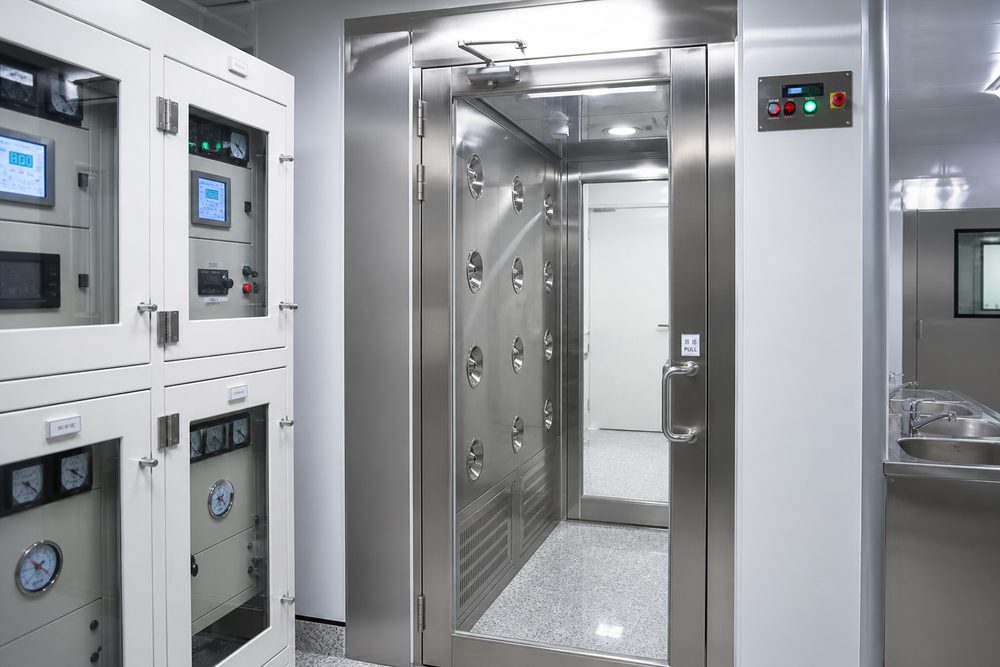
Different processes have different exhaust gas treatment requirements: FDM printing should be equipped with HEPA filters to remove ultrafine particles; SLA printing should be equipped with activated carbon filters to adsorb volatile organic compounds; Metal printing requires efficient dust removal systems and inert gas circulation systems. Metal powder printing areas should establish dust control measures: enclosed printing chamber design, negative pressure operating systems, regular cleaning systems, and explosion-proof electrical equipment.
3. Waste Treatment and Recycling
Establish waste classification system: Metal powder waste collected separately for recycling; Resin waste treated as hazardous waste by professional recycling agencies; Thermoplastic waste classified for partial recycling into pellets. The recycling of metal powders should follow standard procedures: sieving to remove impurities, particle size analysis, oxygen content monitoring, and control of new-to-old powder mixing ratios.
4. Safety Management Systems
Establish three-level safety training system: Pre-job safety training, regular safety retraining, and specialized safety training. Develop emergency response plans including fire emergency response (especially for metal powder fires), chemical leak handling, personnel injury first aid, and equipment failure emergency response.
Submit a model, drawing, image or written notes. Engineers will review material, process, finishing and delivery based on actual use.