
No model yet, material choice and wall thickness are explained from a practical angle.
Knowledge Center
Blueprint News
lantu3D reviews wall thickness, structure, materials, process, quantity and finishing before quotation.
01Guides
02Materials
03Customer View
Content should help customer decisions
lantu3D articles focus on materials, processes, cost, modeling and manufacturability so customers understand key decisions before submitting a request.
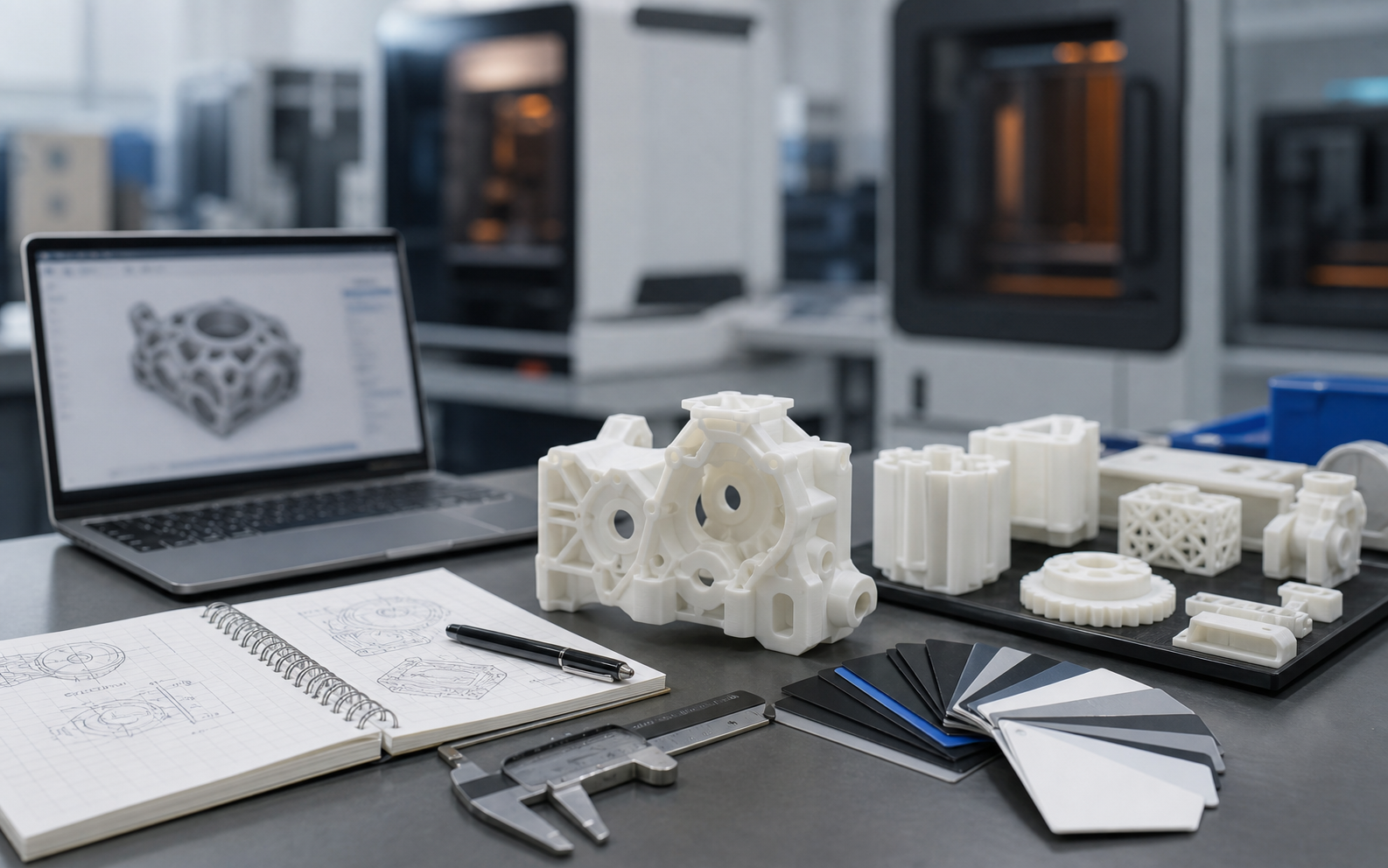
Prototype, fixture, custom part, small batch and cost-control topics for business users.
lantu3D is positioned as blueprint realization and lifecycle management, not just a print shop.
news
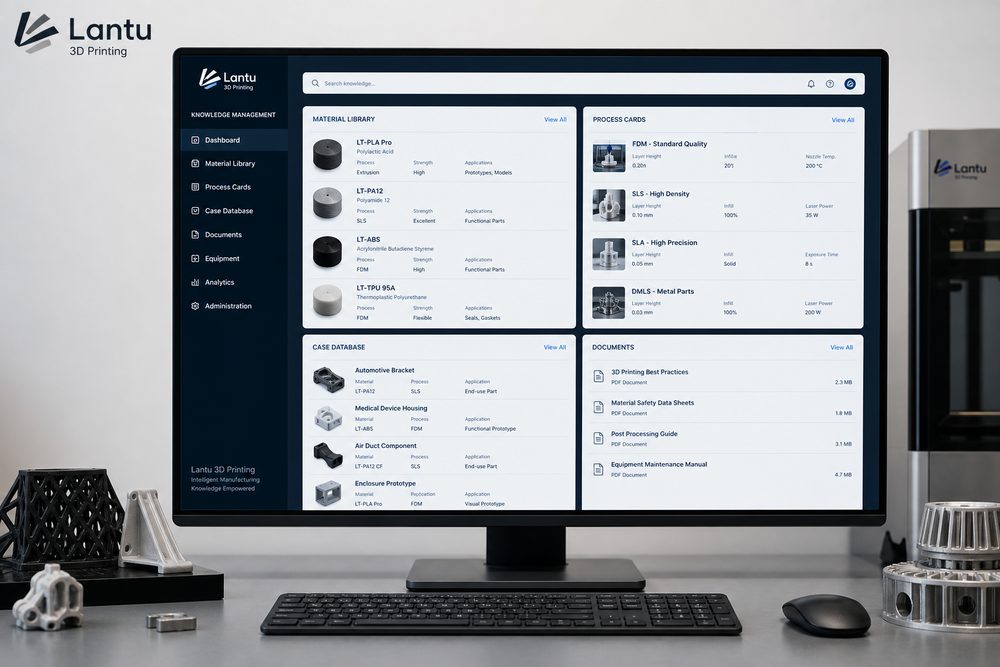
Don’t Let Experience Stay Only in the Minds of Veteran Technicians: Building a 3D Printing Knowledge Management System
3D printing project experience is often scattered across sales, engineering, production, and post-processing teams. This article explains how to turn experience into reusable assets through material libraries, process cards, case libraries, issue databases, and training mechanisms.
news
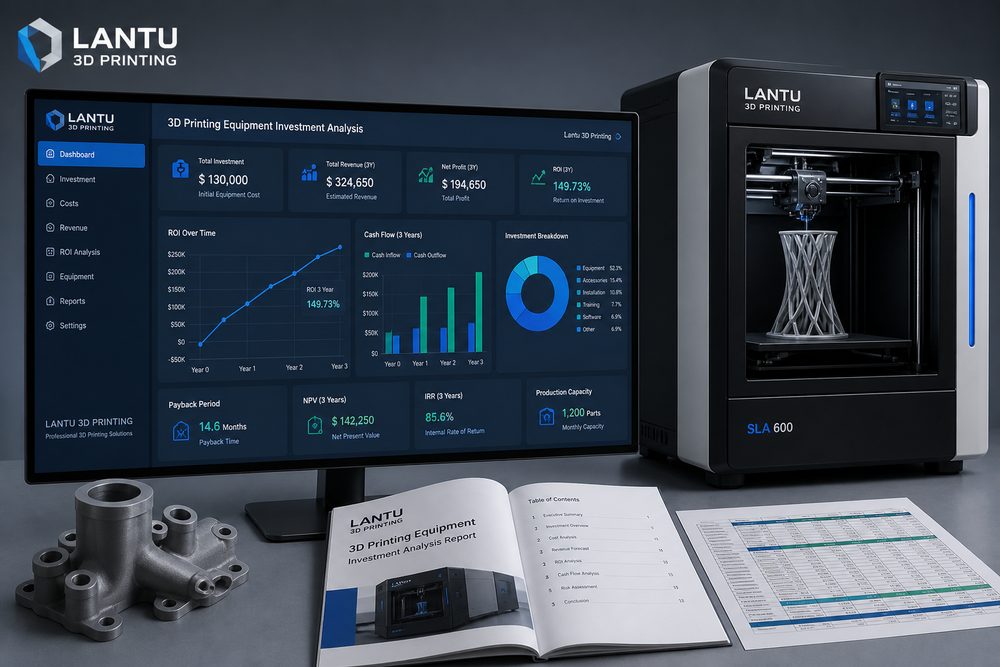
Buy Equipment or Buy Services? The Cost Model for 3D Printing Equipment Investment Decisions
Whether a company should build its own equipment capability should not be judged by machine quotes alone. This article establishes a decision-making framework for 3D printing equipment investment based on utilization, material waste, labor, maintenance, space, safety, and opportunity cost.
news
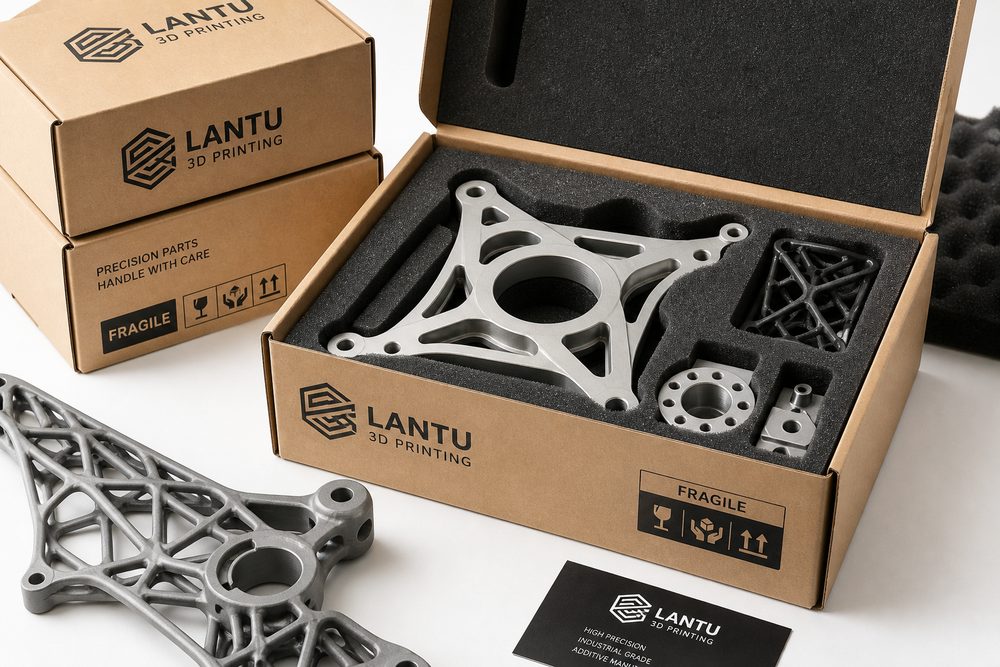
Printing Complete Does Not Mean Delivery Complete: A Guide to Packaging and Shipping 3D Printed Parts
3D printed parts are prone to damage during transport due to thin walls, sharp edges, painted surfaces, or assembled structures. This article explains how to develop packaging plans based on material, structure, surface finishing, and shipping distance to reduce delivery risk.
news
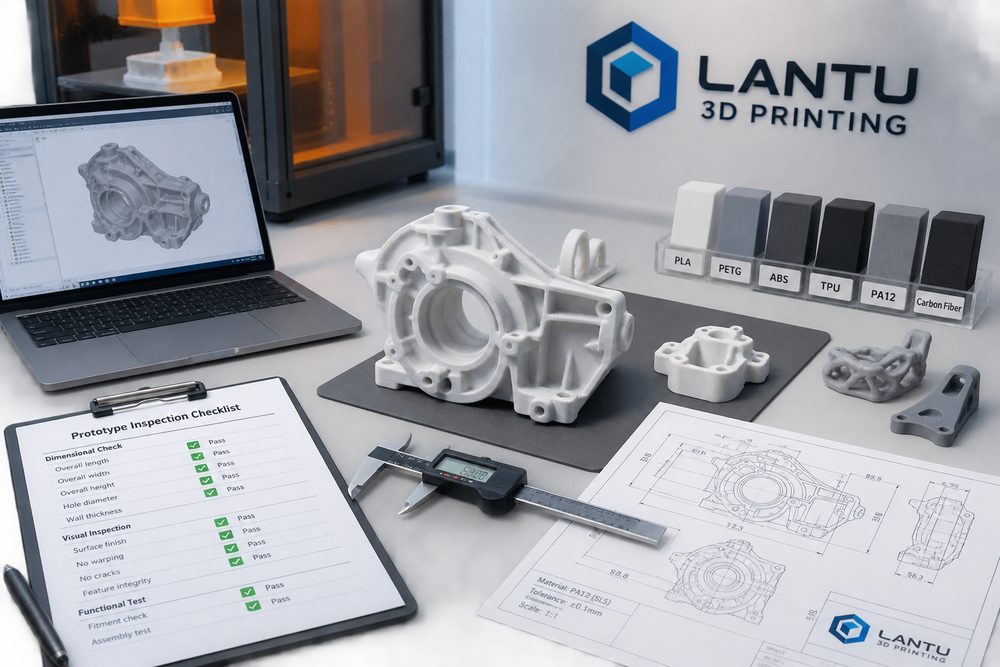
Passing the First Sample Is Not Luck: Six Key Checkpoints in the 3D Printing Sample Validation Process
Sample validation determines whether a 3D printing project can move into subsequent production. This article outlines an actionable sample validation workflow around requirement confirmation, model inspection, process trial production, dimensional inspection, assembly testing, and post-review closure.
news
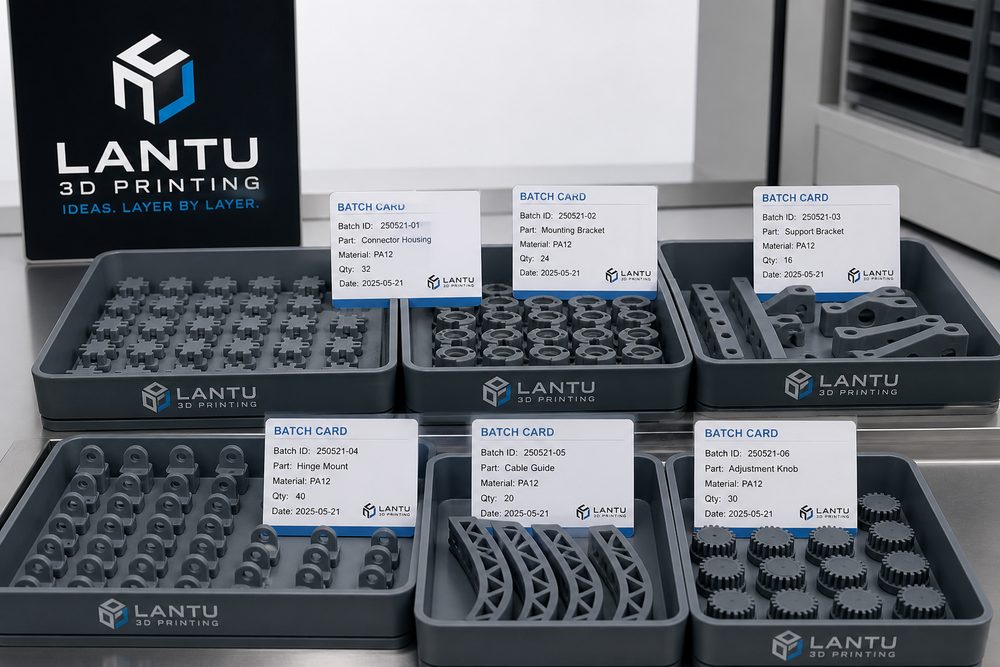
From Prototypes to Small Batches: How 3D Printing Production Management Can Avoid “the More You Make, the Messier It Gets”
Small-batch production is a key scenario for 3D printing as it moves from prototyping to manufacturing. This article explains how enterprises can turn flexibility into stable delivery capability through five aspects: order splitting, batch control, process locking, quality spot checks, and delivery pacing.
Enterprise Manufacturing
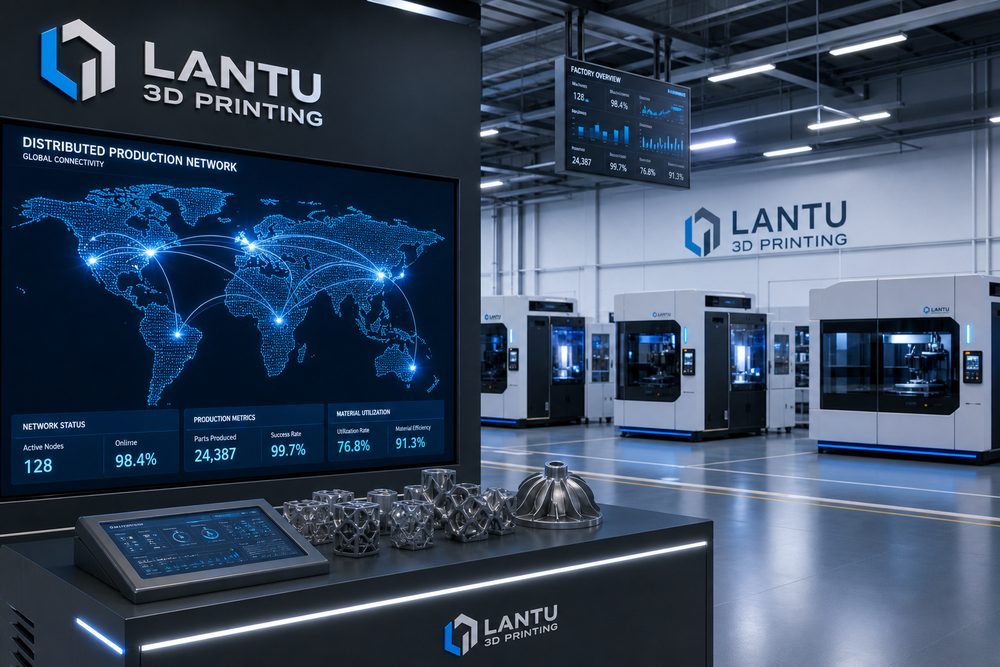
From Prototyping Tool to Digital Production Node: 3D Printing Industry Development Trends and 2026 Outlook
3D printing is shifting from a rapid prototyping tool to a key node in digital manufacturing systems. Material systems, equipment automation, quality traceability, distributed production, and design service capabilities will together shape the competitive landscape. This article analyzes the trends worth watching over the next year.
Enterprise Manufacturing
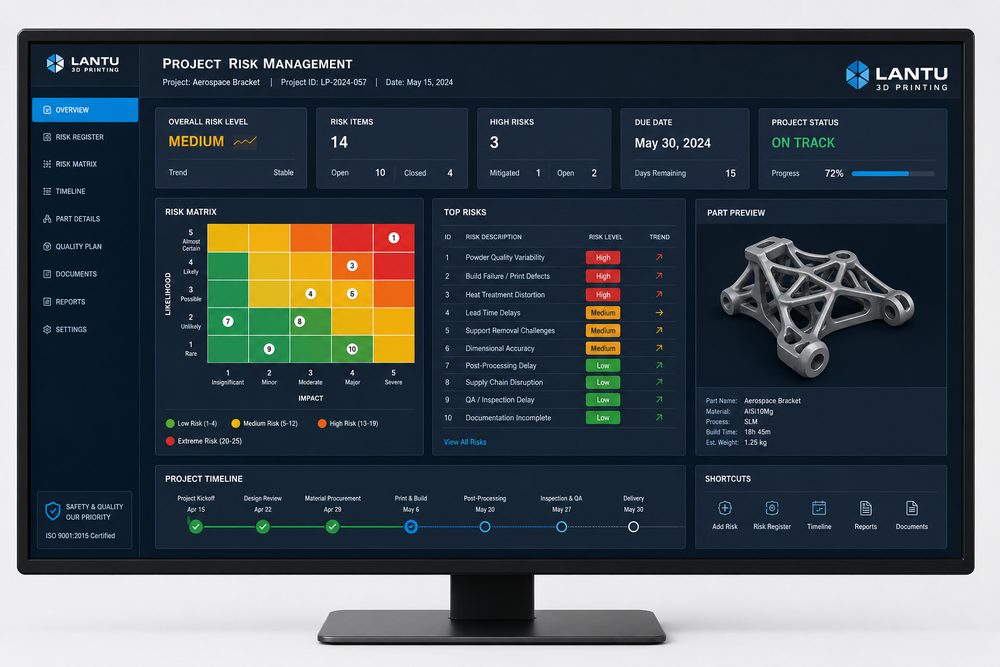
Tight Deadlines, Complex Structures, Rapidly Changing Requirements: A Practical Risk Management Framework for 3D Printing Projects
Risks in 3D printing projects come from unclear requirements, model defects, material mismatches, machine fluctuations, post-processing uncertainty, and differences in customer acceptance. This article provides a framework for identifying, assessing, controlling, and reviewing risks to help service teams improve delivery stability.
Service Process
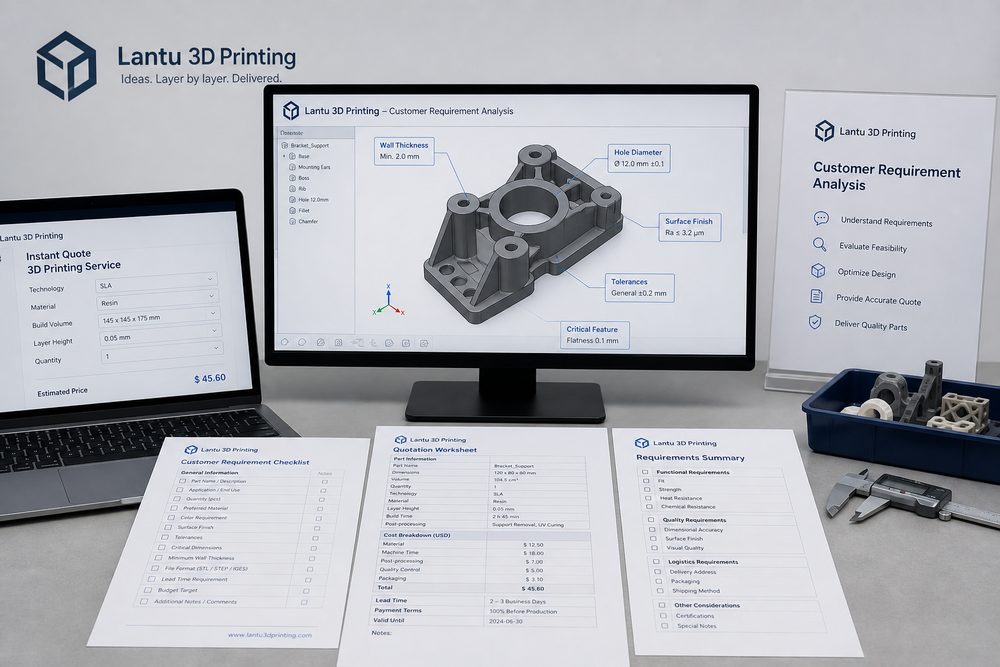
After the Customer Says “Just Print This for Me”: Seven Key Questions for 3D Printing Requirement Analysis
3D printing requirement analysis should not rely on the model file alone. Use case, loads, appearance, accuracy, material, quantity, lead time, and acceptance criteria all affect the solution. This article uses seven key questions to help service teams turn vague requests into project definitions that can be quoted, produced, and delivered.
Project Communication
Service Process
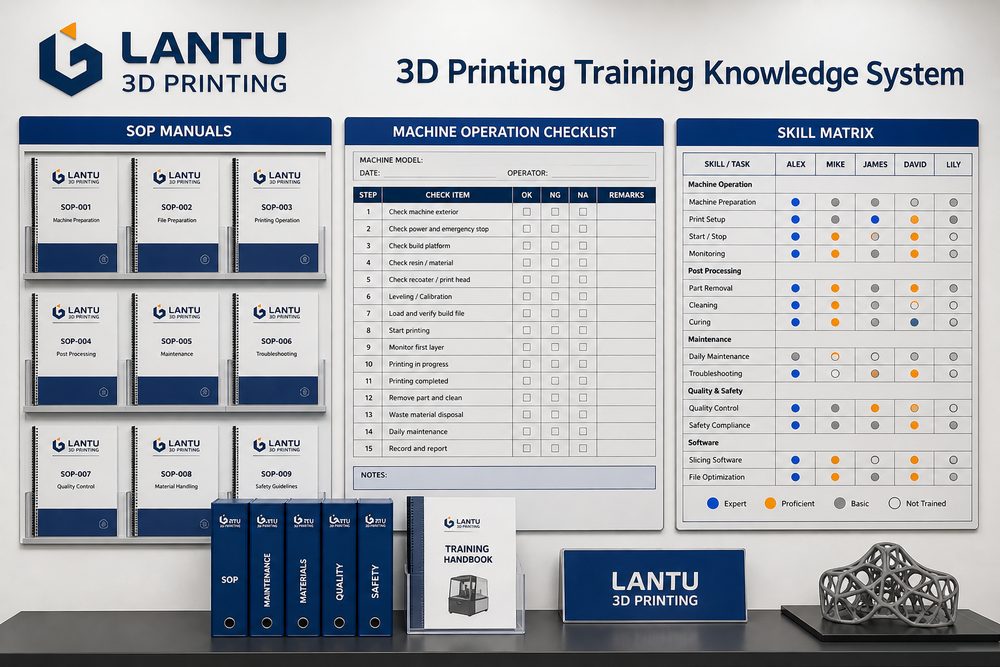
More Than Operating Machines: A Guide to 3D Printing Talent Training and Team Capability Building
A mature 3D printing team requires coordination across design, materials, processes, equipment, post-processing, quality inspection, and project management—not just operators who can start the machine. This article proposes a role competency model, training path, knowledge retention methods, and cross-department collaboration approaches to help companies build sustainable teams.
Enterprise Manufacturing
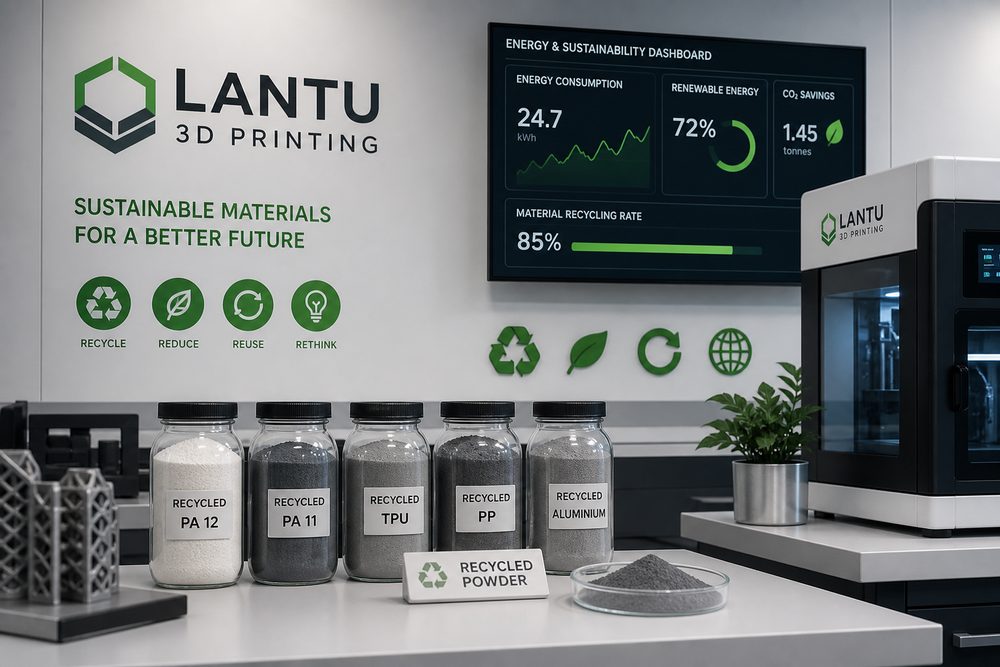
Less Waste Does Not Mean Zero Waste: The Real Path to Sustainable 3D Printing
3D printing is often called green manufacturing, but material utilization, energy consumption, powder refresh, resin waste liquid, post-processing, and logistics all affect its real environmental performance. This article discusses sustainable development paths from four angles: design reduction, material management, energy optimization, and recycling and compliance.
Service Workflow
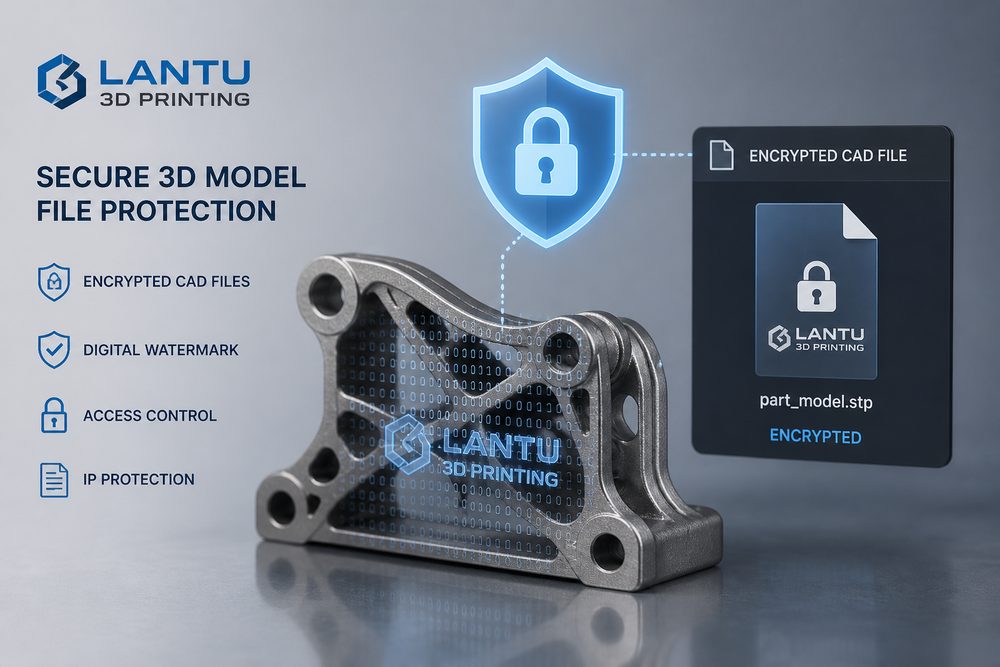
Model Files Are Also Core Assets: Workflow Design for 3D Printing Intellectual Property Protection
3D printing projects involve CAD models, process parameters, structural concepts, and customer product solutions. Intellectual property protection should start with file intake, access control, version management, supply chain collaboration, and delivery traceability. This article provides process-oriented recommendations for service providers and enterprise clients.
news
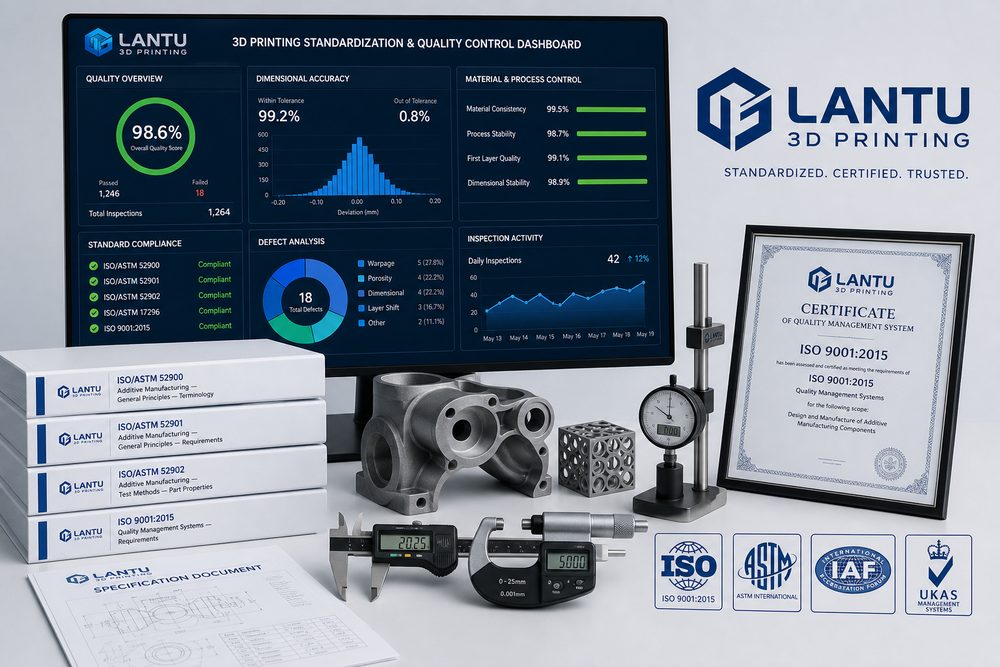
From Experience-Based Production to Standardized Delivery: Four Levels for Building a 3D Printing Standardization System
To move from flexible prototyping to stable delivery, the 3D printing industry must build a standardization system that covers design inputs, process parameters, quality inspection, and data traceability. This article outlines a four-level framework to help companies reduce dependence on individual experience and improve cross-project repeatability.
Start From Here
Have a model, drawing, or only an idea?
Submit your requirement and our engineers will recommend a better design and manufacturing path based on use, size, quantity, material, tolerance and lead time.