No model yet, material choice and wall thickness are explained from a practical angle.
Knowledge Center
Blueprint News
lantu3D reviews wall thickness, structure, materials, process, quantity and finishing before quotation.
01Guides
02Materials
03Customer View
Content should help customer decisions
lantu3D articles focus on materials, processes, cost, modeling and manufacturability so customers understand key decisions before submitting a request.
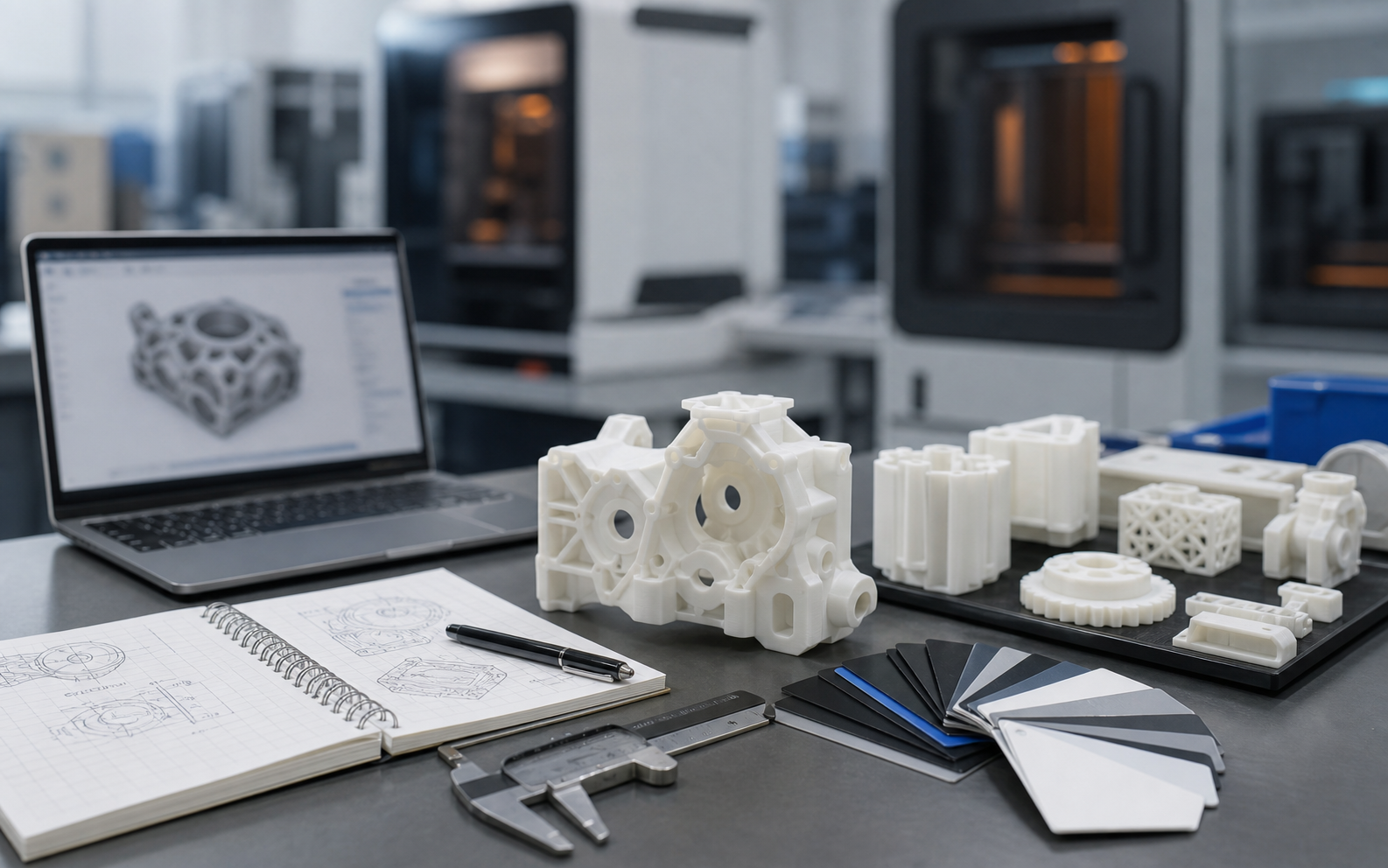
Prototype, fixture, custom part, small batch and cost-control topics for business users.
lantu3D is positioned as blueprint realization and lifecycle management, not just a print shop.
news
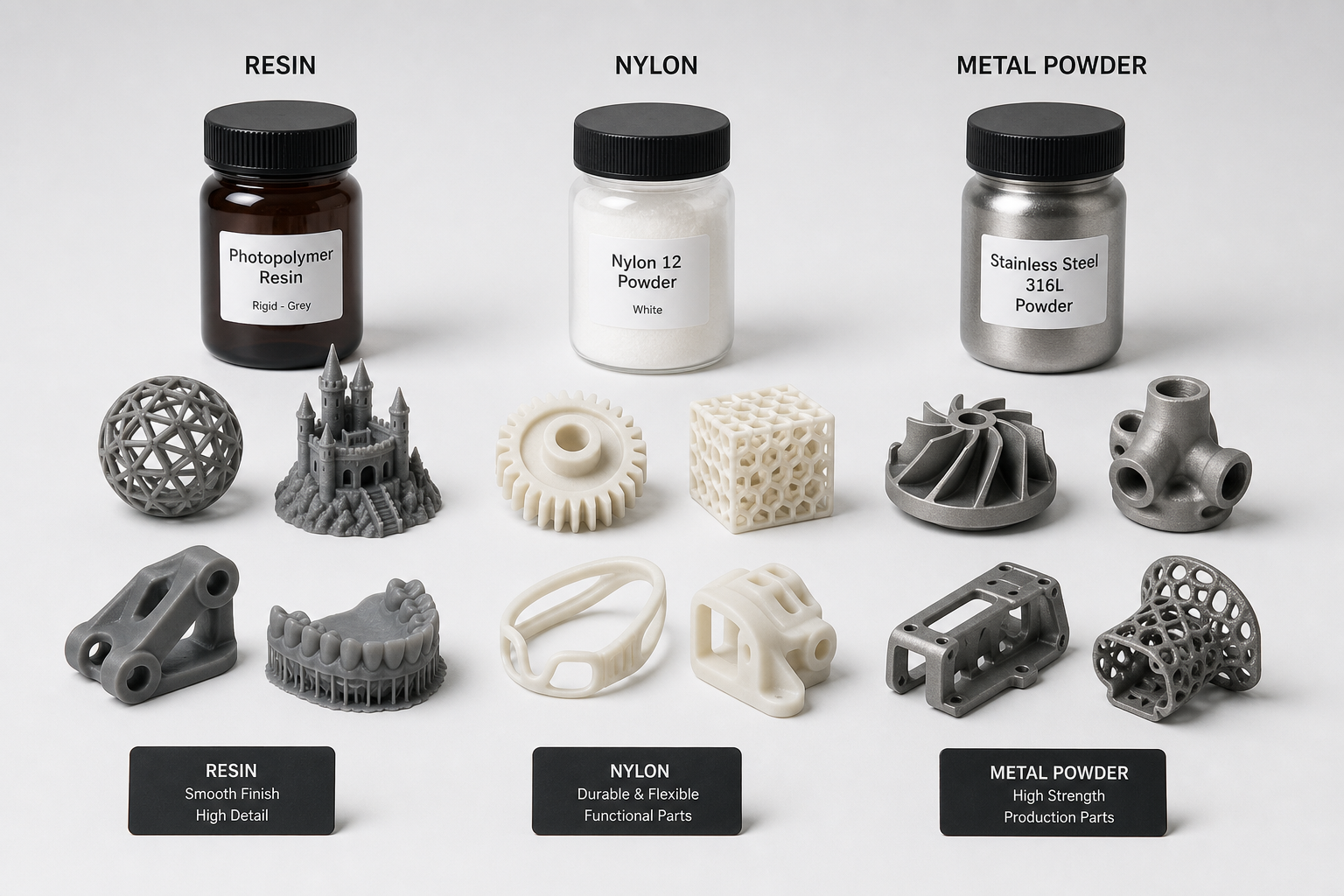
Environmental impact and industrial application prospects of biodegradable PLA materials
Biodegradable PLA materials can completely decompose under certain conditions and are ideal for sustainable manufacturing and environmentally friendly packaging.
news
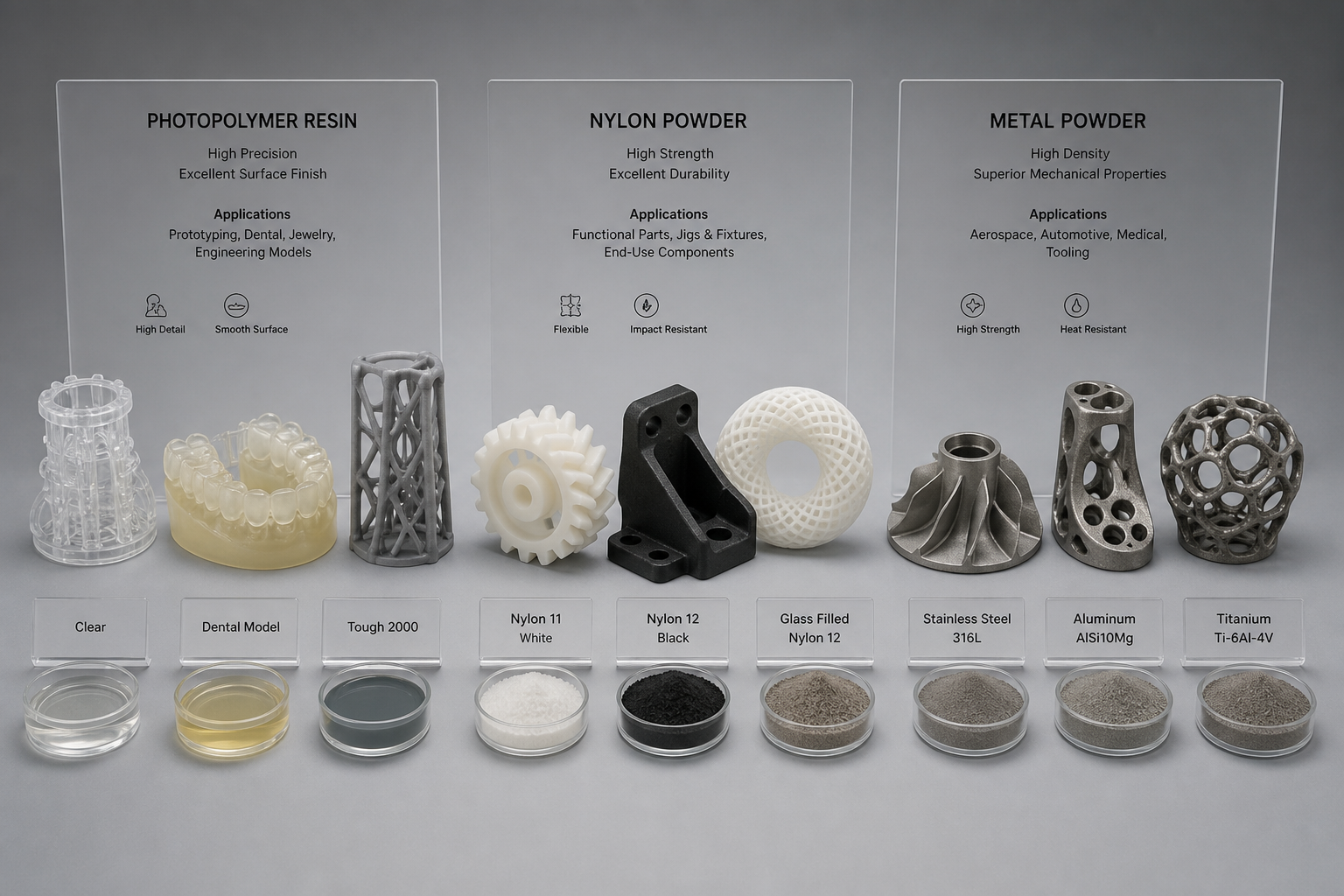
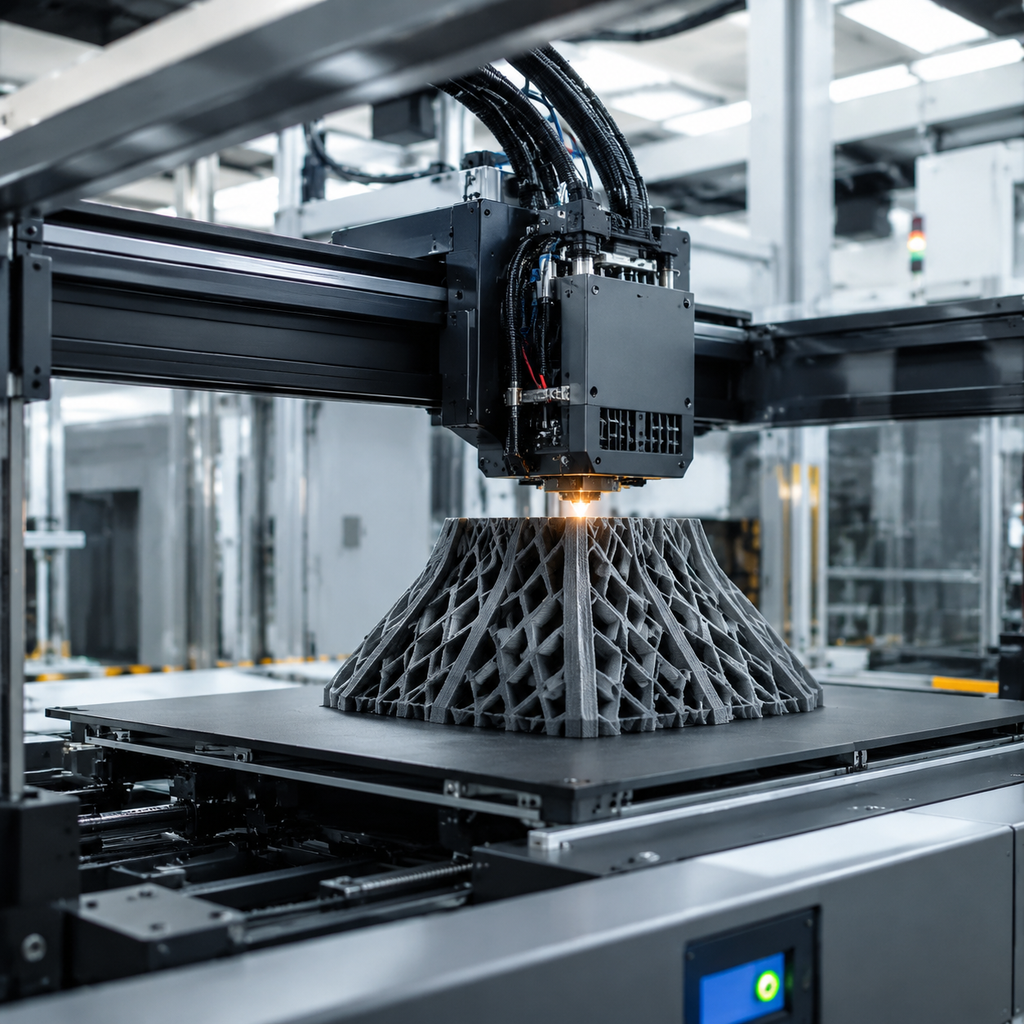
Application of graphene reinforced composite materials in printing conductive functional parts
Graphene-reinforced composite materials can realize direct printing of conductive functional parts, providing new solutions for the integration of electronic components.
news
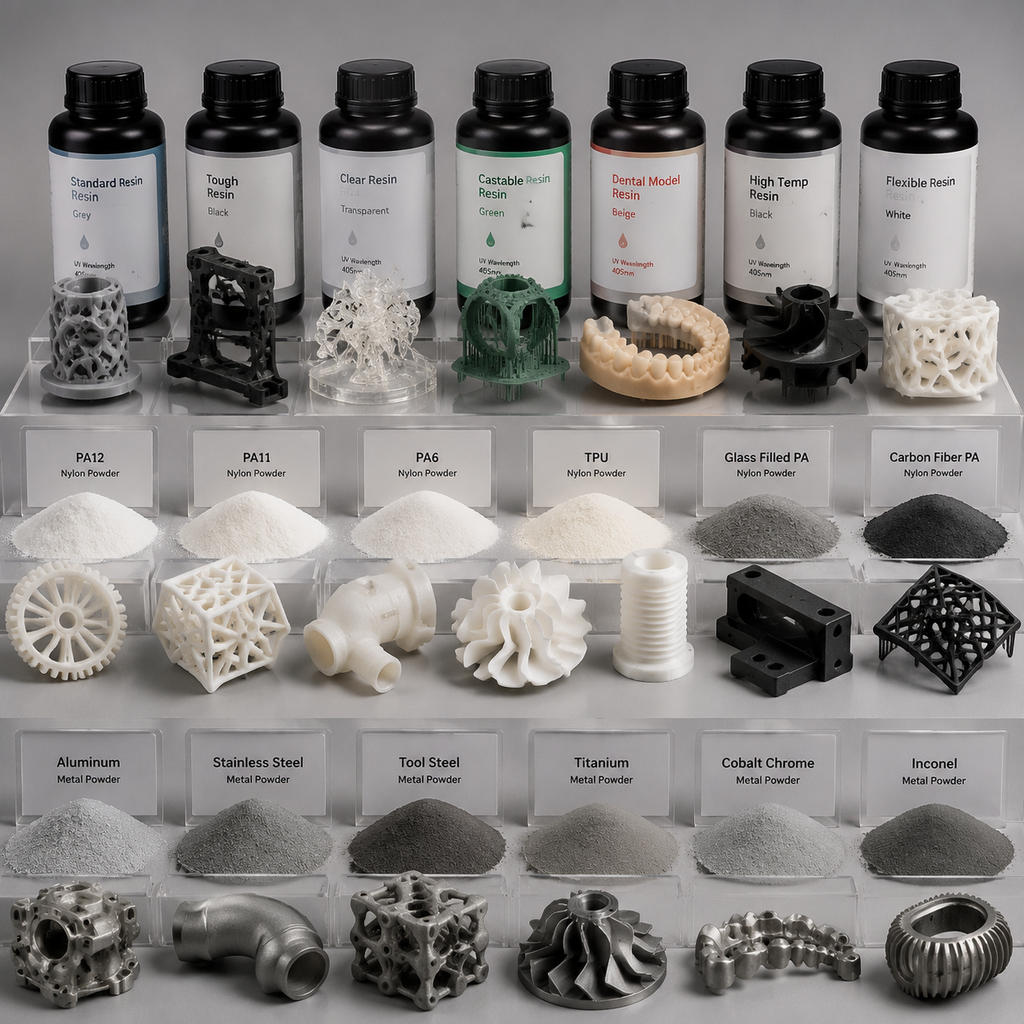
Application of PEEK high-performance engineering plastics in 3D printing of medical implants
PEEK material has excellent biocompatibility and mechanical properties and is suitable for customized production of long-term implantable medical devices.
news
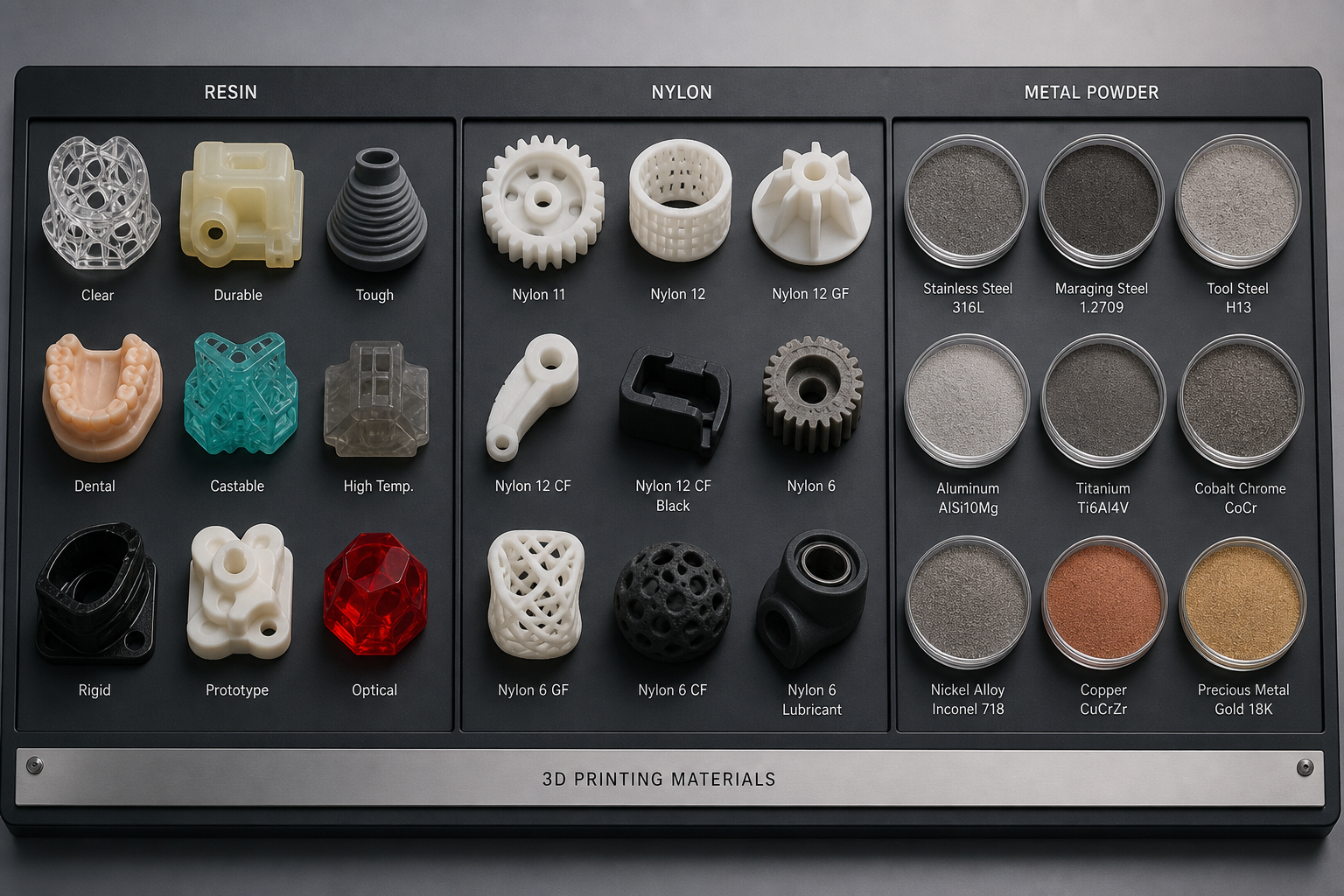
Methods and post-processing techniques for improving the light transmittance of transparent resin prints
Transparent resin prints can achieve a light transmittance of more than 90% through specific post-processing processes, meeting the needs of optical components and display models.
news
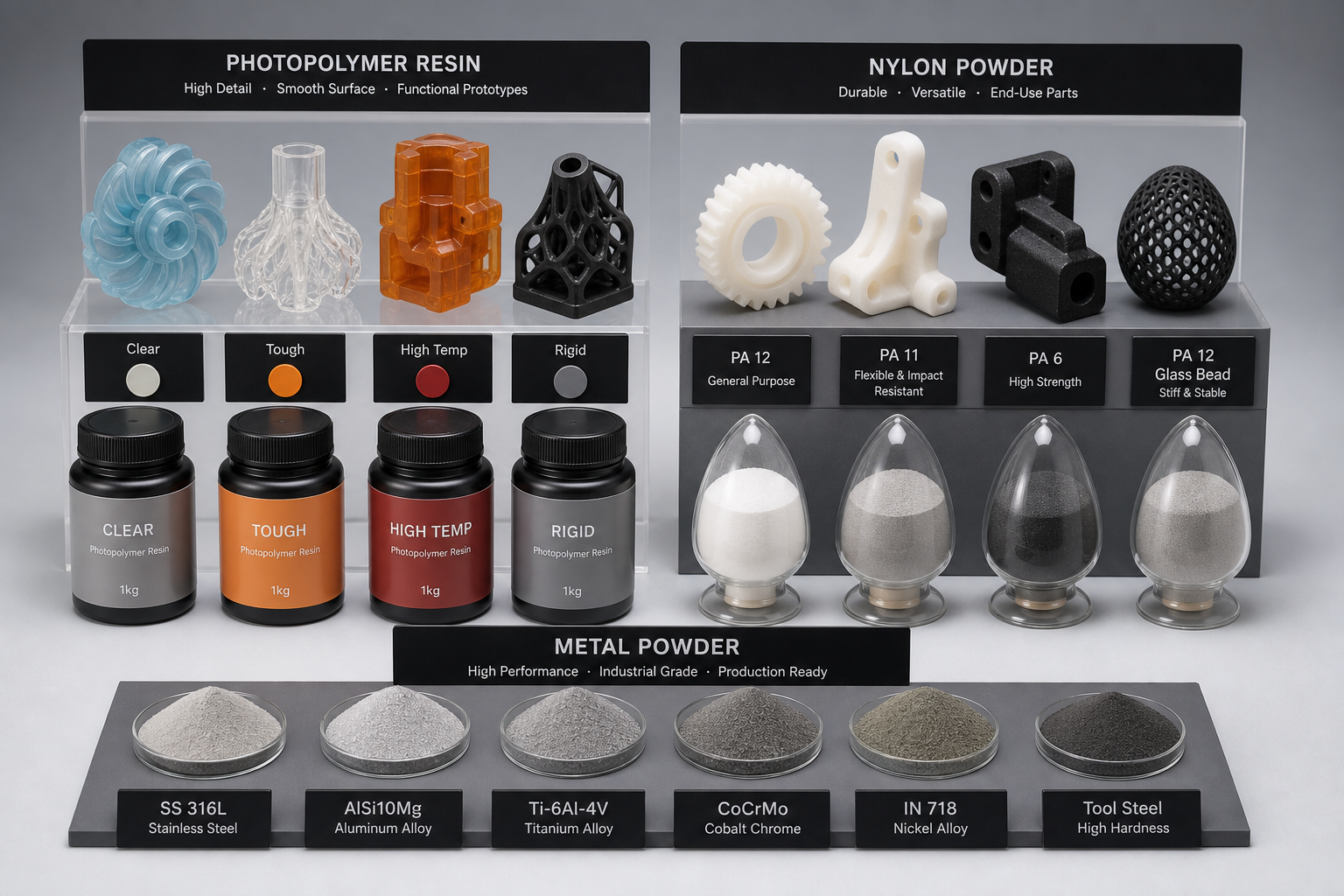
Melting behavior and density control of aluminum alloy powder in SLM process
Optimizing the melting parameters of aluminum alloy powder in the SLM process can achieve a density of more than 99%, significantly improving the mechanical properties of metal parts.
news
Optimizing printing parameters of flexible TPU materials: from softness and hardness to resilience performance
The printing parameters of TPU flexible materials directly affect the softness, hardness and resilience of the finished product. Mastering the correct parameters can obtain ideal flexible parts.
news
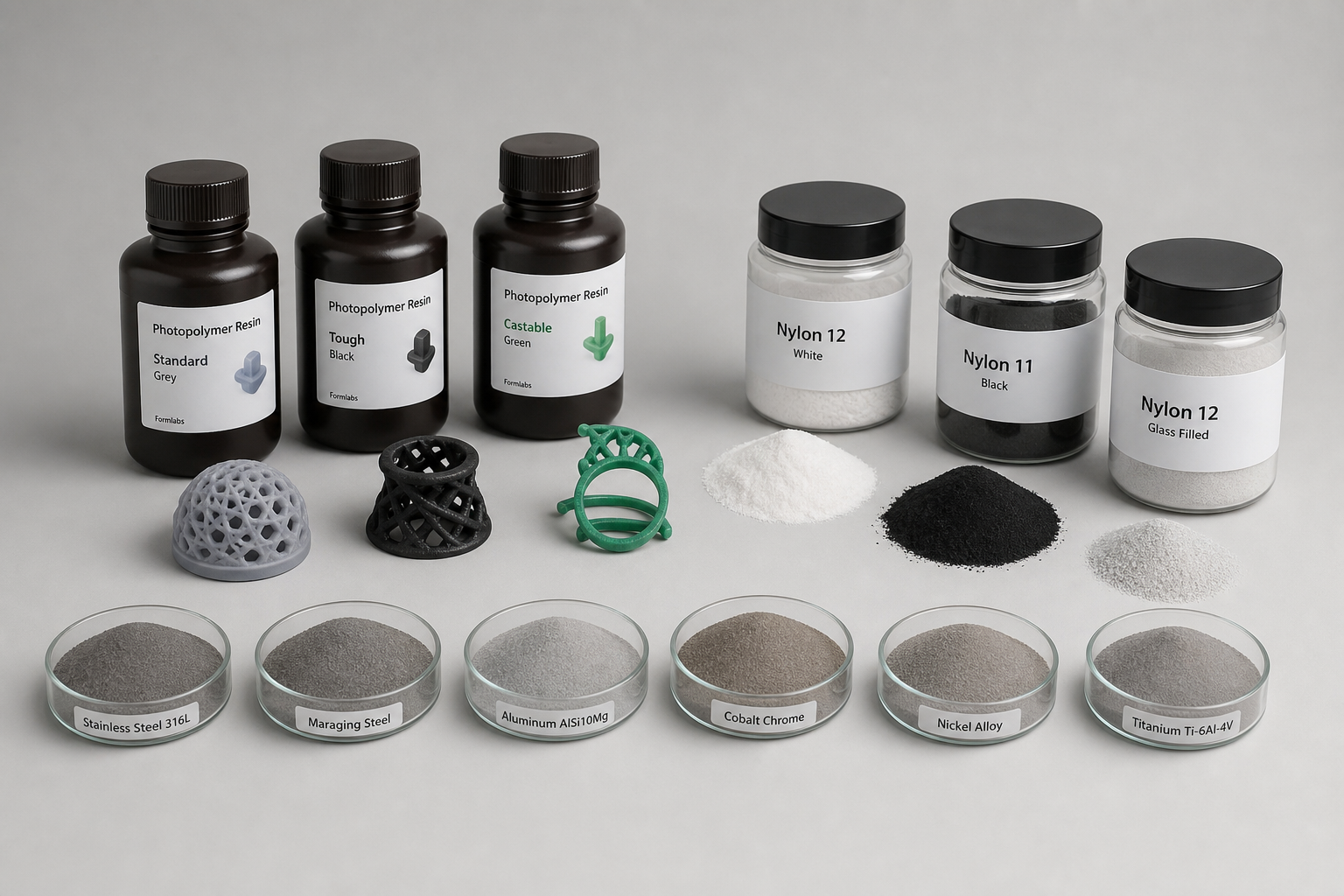
Application and performance testing of high temperature resistant resin in industrial 3D printing
High-temperature-resistant resin can remain stable in environments above 150°C and is suitable for high-temperature applications such as automotive parts and electronic casings.
news
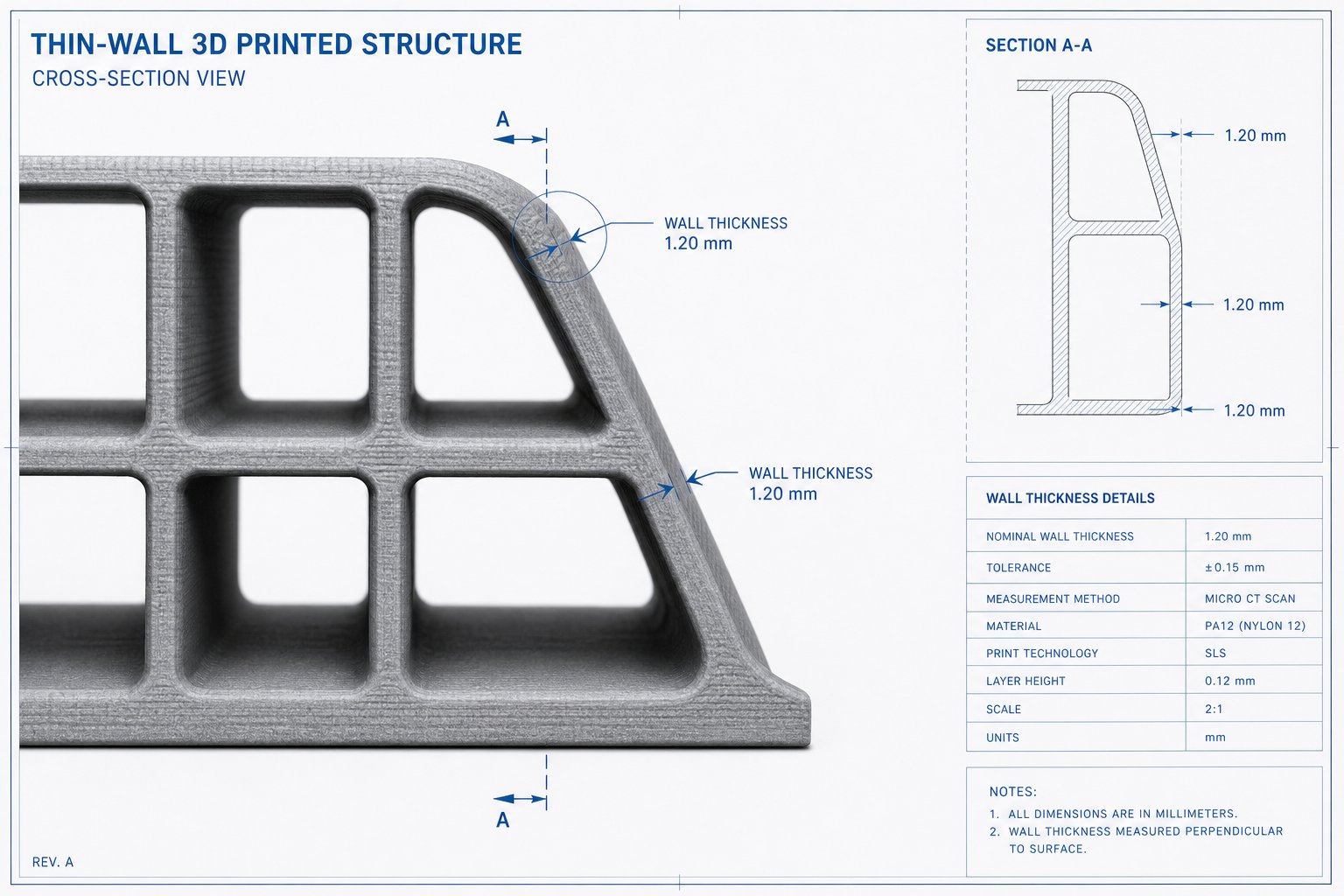
3D printing wall thickness design principles: balance between strength requirements and material usage
Reasonable wall thickness design is the key to balancing strength and economy. If the wall thickness is too thin, it will easily deform, and if it is too thick, it will lead to material waste and poor molding. This article will give recommended wall thickness values based on different processes.
news
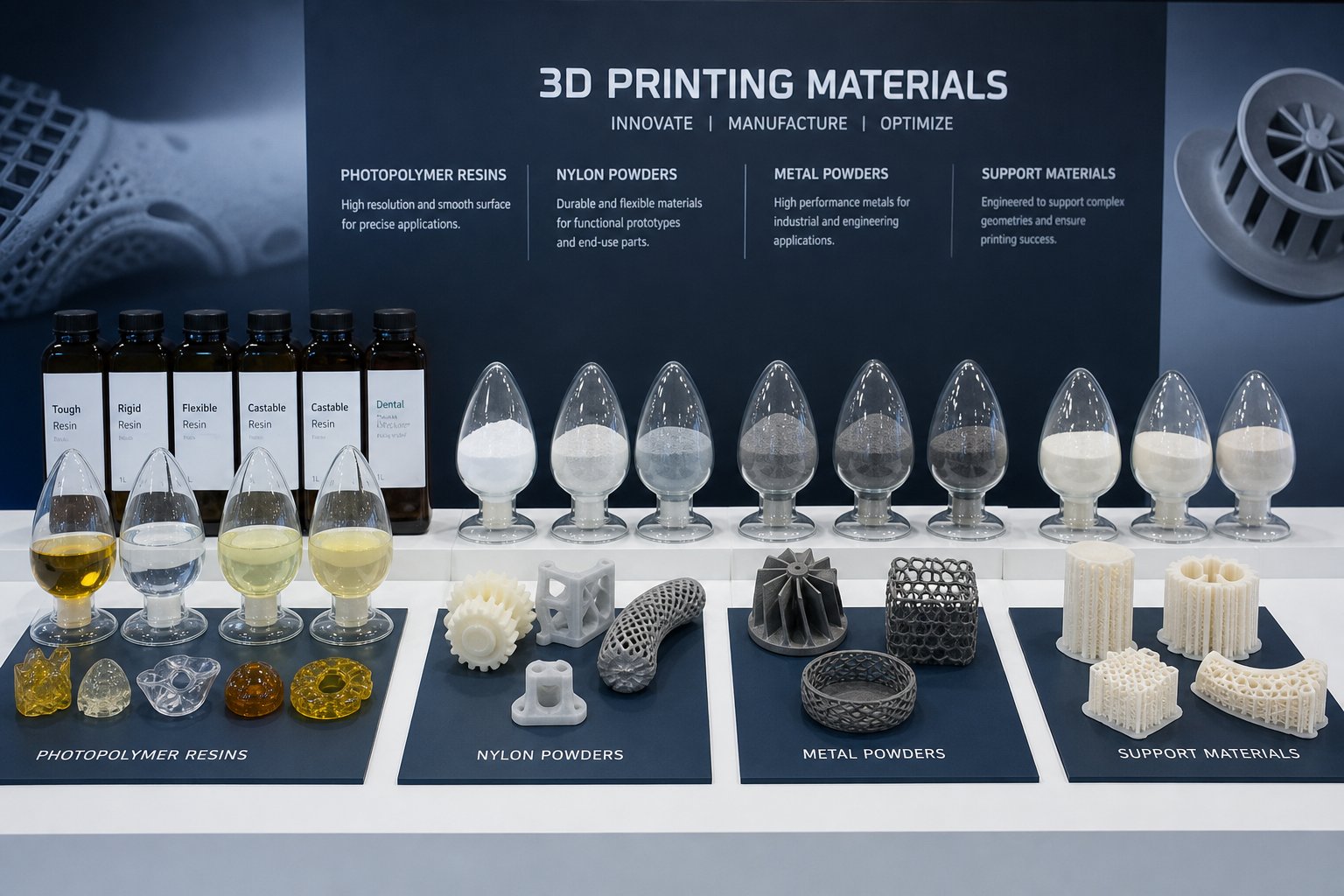
Application challenges and breakthroughs of carbon fiber reinforced composite materials in 3D printing
Carbon fiber reinforced wires and powders are gradually changing the boundaries of 3D printing engineering capabilities, but anisotropy, equipment adaptation and cost control are key issues that must be faced before implementation.
news
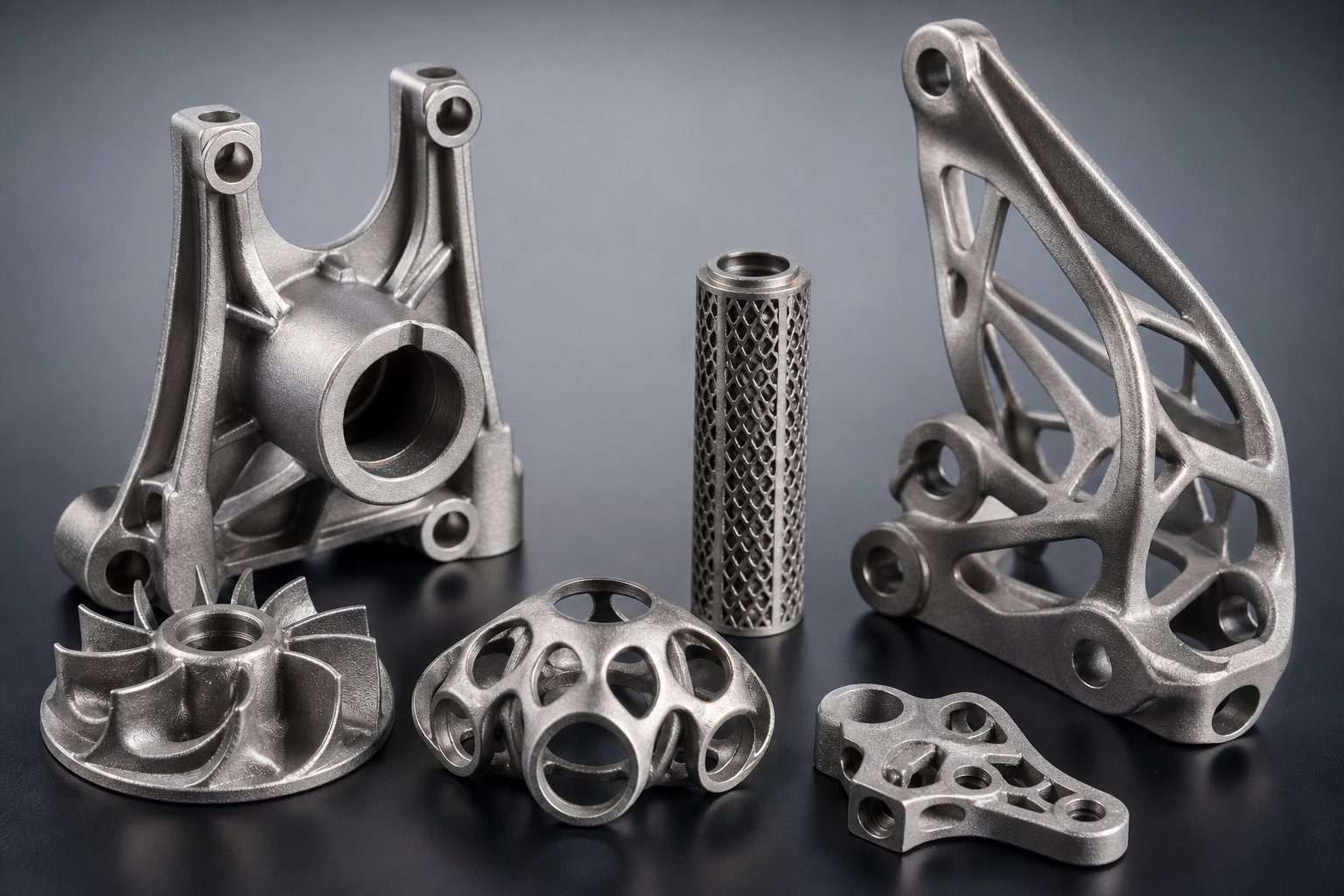
Support structure design and removal strategies in metal 3D printing
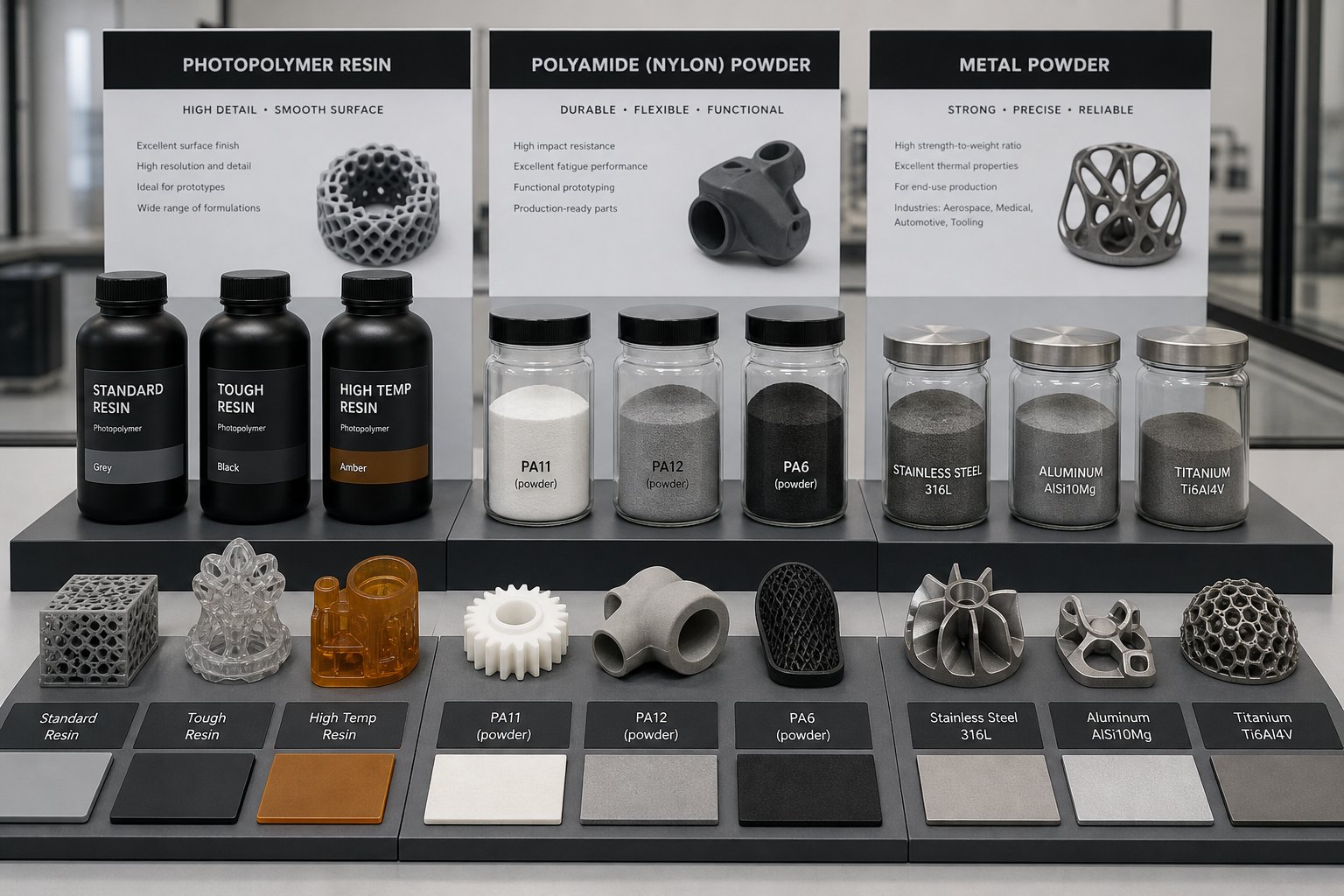
Metal SLM printing requires a large number of supports to conduct heat and fix parts. The support design directly affects thermal stress, dimensional accuracy and post-processing hours. A reasonable support strategy can save more than 30% of processing time.
news
3D printing filament storage guide: Research on the impact of temperature and humidity on material properties
Improper storage environment will cause PLA, nylon, TPU and other consumables to absorb moisture, resulting in reduced printing quality. Understanding the optimal storage conditions for each material can significantly improve the finished product pass rate.

news
Analysis of material differences and economics of the two mainstream processes of FDM and SLA
FDM and SLA are the two most popular 3D printing technologies. Their differences in material systems, mechanical properties and unit cost determine their best applicable scenarios.
Start From Here
Have a model, drawing, or only an idea?
Submit your requirement and our engineers will recommend a better design and manufacturing path based on use, size, quantity, material, tolerance and lead time.