Material characteristics of the FDM process
FDM (fused deposition modeling) uses thermoplastic wire as consumables. The mainstream materials include PLA, ABS, PETG, and engineering-grade PC and PEEK. The cost of wire is usually calculated in yuan/kg, and the material utilization rate is close to 90%. The mechanical properties of FDM parts show significant directionality, and the interlayer bonding force is always a weak area. Therefore, special attention needs to be paid to the Z-direction strength during functional verification. Wires can obtain special properties such as electrical conductivity, thermal conductivity, and wear resistance through different compounding schemes.
Material system of SLA process
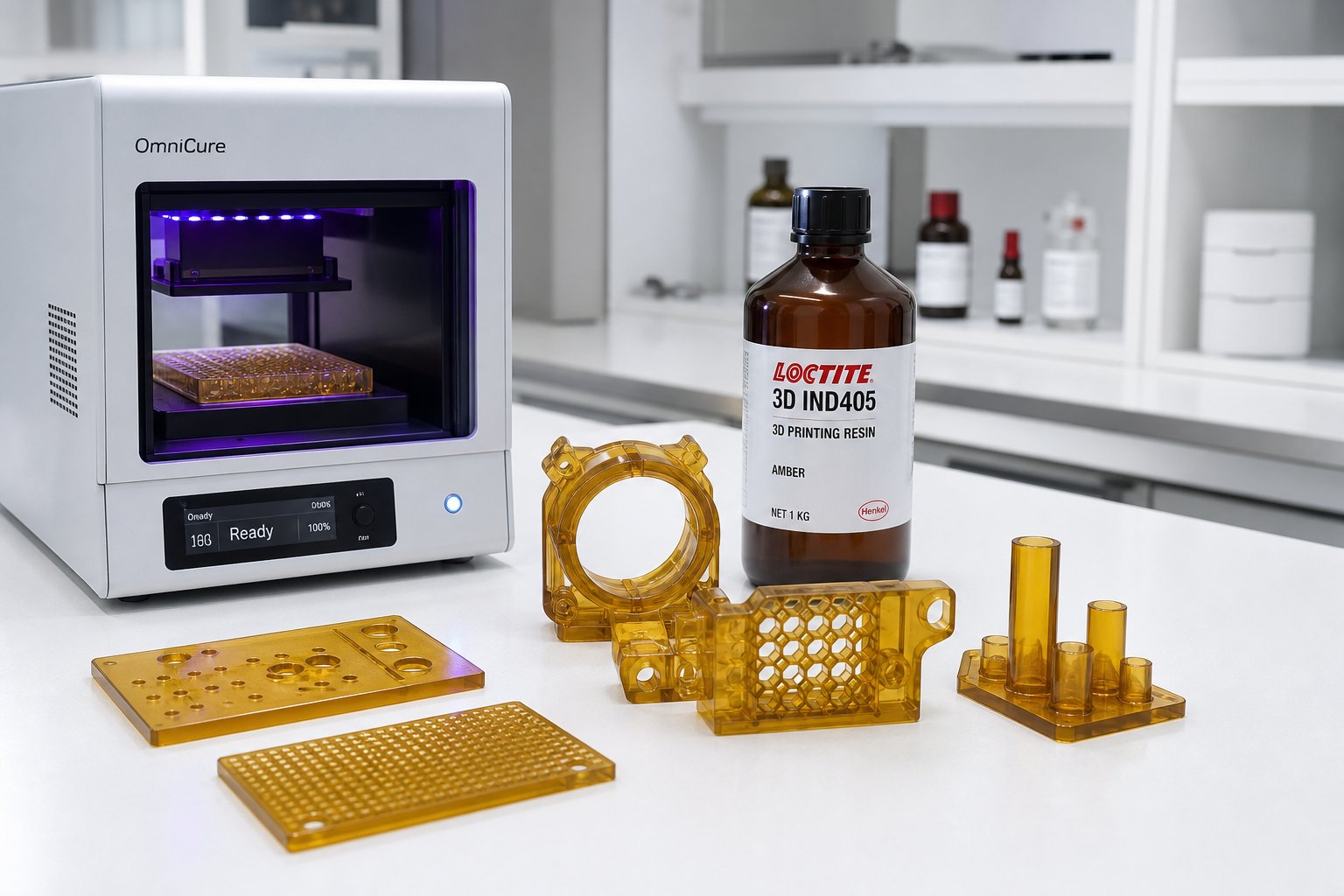
SLA (light-curing molding) uses liquid photosensitive resin, the printing accuracy can reach 25 micron level, and the surface quality is far better than FDM. Resins are divided into transparent resins, elastomer resins, cast resins, etc. according to their uses. The price is usually 3 to 5 times that of FDM wire. The advantage of resin parts is that the geometric accuracy and surface quality reach a high level at the same time, which is suitable for appearance models and precision structural parts that have strict appearance and size requirements.
Material Economic Comparison and Cases
In scenarios where the number of prototypes is small and precision requirements are high, although the resin unit price is higher, the post-processing time saved and the rework rate make the overall cost the same or even lower. In high-volume and small-piece scenarios, using FDM with a multi-nozzle layout can achieve lower unit costs. When choosing a process, you also need to consider the subsequent use - if you want to make a master mold for vacuum casting, SLA casting resin can withstand high temperature demoulding; if the parts need to be used outdoors for a long time, PETG with UV stabilizer added to FDM is more cost-effective.
Submit a model, drawing, image or written notes. Engineers will review material, process, finishing and delivery based on actual use.