Limitations of standardized services
The standardized service model is characterized by fixed prices, fixed processes, and fixed standards, and is suitable for simple, repetitive, and standardized needs. However, 3D printing needs in professional fields are often unique and complex, and standardized service models are difficult to effectively meet. Limitations include: inaccurate prices, standardized quotations based on average cost estimates, which may be overestimated or underestimated for special circumstances. The solution is not optimal and the fixed process cannot be optimized for special needs, so it may not be the best solution. Insufficient services and standard service content may not meet the additional needs of customers. Insufficient communication, lack of in-depth communication in standardized processes, and difficulty in understanding the real needs of customers. Professional services need to break the standardized framework and provide customized service solutions.
The value dimension of customized services
The value of customized services is reflected in multiple dimensions. Technical value, professional engineers conduct in-depth analysis of needs and provide optimal technical solutions. Quality value, develop quality control plans based on project characteristics to ensure that key indicators meet standards. Time value, reasonable planning of processes and resources, and optimization of delivery cycle. Cost value, through design optimization and process optimization, reduces the total cost rather than just the unit price. Value at risk, identify and avoid potential risks, and improve project success rate. Value-added services include design consulting, testing support, mass manufacturing planning and other extended services. These values go beyond simply printing parts and bring comprehensive benefits to customers.
Components of a customized quotation
Customized quotation requires comprehensive consideration of multiple factors. Technical difficulty coefficient, the basic price is adjusted according to the complexity of the parts, material particularity, accuracy requirements, etc. Post-processing complexity, support removal difficulty, surface treatment requirements, machining requirements, etc. affect post-processing costs. The risk assessment premium is appropriately included in the risk cost for projects with a risk of failure. Urgency coefficient, urgent projects require additional investment of resources, which is reflected in price increases. Volume discounts, enjoy cost savings on materials, preparation, inspection and more for bulk orders. Long-term cooperation discounts, discounts are given to long-term customers to reflect the value of cooperation. Customized quotations require the establishment of a parametric calculation model to ensure that the quotation is accurate and interpretable.
Process characteristics of customized services
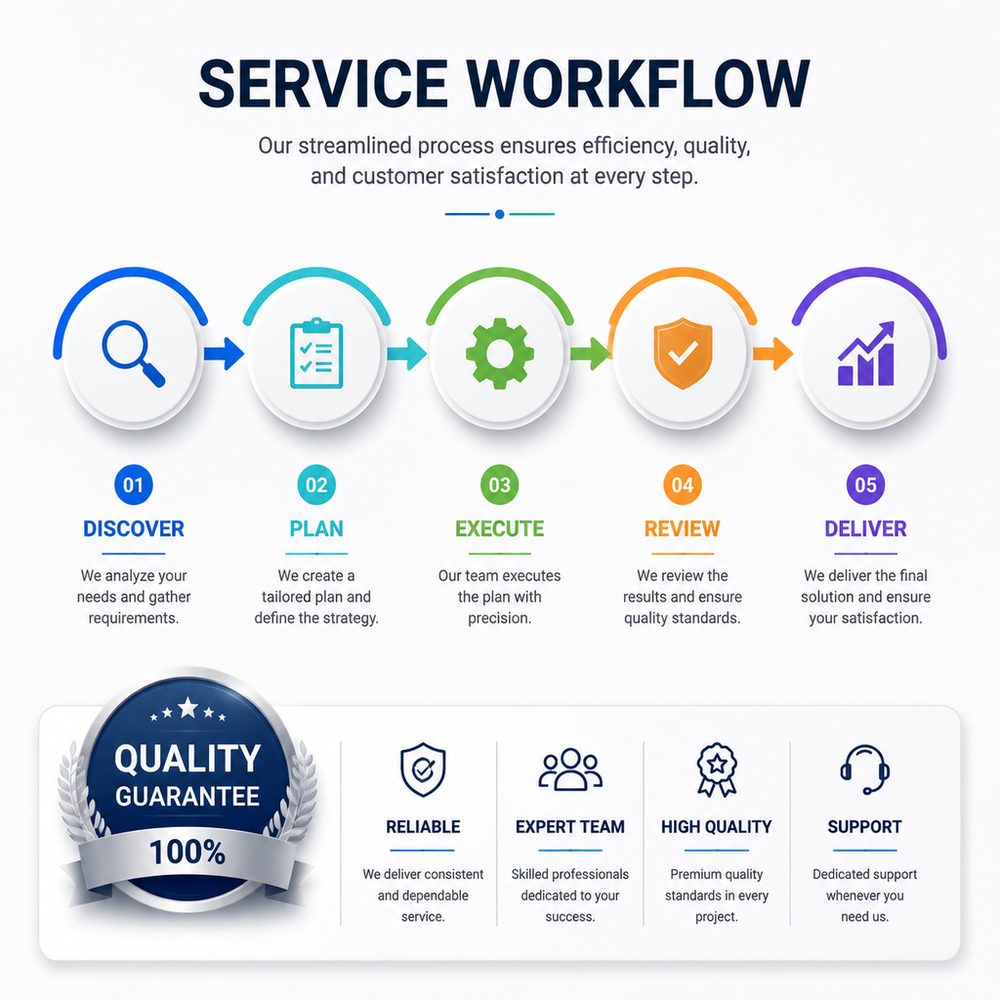
The customized service process is more in-depth than standardized services. In-depth demand digging, through multiple rounds of communication to deeply understand customers' real needs, usage scenarios, and key indicators. Solution design: Design a variety of technical solutions for customers to choose from, and explain the advantages, disadvantages and cost differences of each solution. The process is transparent, key nodes report progress to customers, and problems are communicated and adjusted in a timely manner. Technical support provides technical support beyond printing, such as design optimization suggestions, test plan design, etc. After-sales guarantee, post-delivery quality tracking, usage feedback collection, problem solving, etc. Knowledge accumulation and project experience form knowledge assets to provide customers with continuous value. Customized services require higher professional capabilities and service awareness.
Capacity building for customized services
Providing customized services requires corresponding service capability building. Talent team: Cultivate a team of engineers with professional background, communication skills, and problem-solving abilities. Knowledge system, accumulate material knowledge, process knowledge, application knowledge, and form a knowledge base. Tool system, establish quotation system, project management tools, quality management system and other supporting systems. Standardize the process and formulate standard processes for customized services to ensure stable service quality. Cultural construction, establishing a customer-centered and excellence-pursuing service culture. Partners, establish a close cooperation network with material suppliers, testing institutions, and logistics service providers. Capacity building is a process of continuous investment and the basis for the competitiveness of customized services.
Submit a model, drawing, image or written notes. Engineers will review material, process, finishing and delivery based on actual use.