No model yet, material choice and wall thickness are explained from a practical angle.
Knowledge Center
Blueprint News
lantu3D reviews wall thickness, structure, materials, process, quantity and finishing before quotation.
01Guides
02Materials
03Customer View
Content should help customer decisions
lantu3D articles focus on materials, processes, cost, modeling and manufacturability so customers understand key decisions before submitting a request.
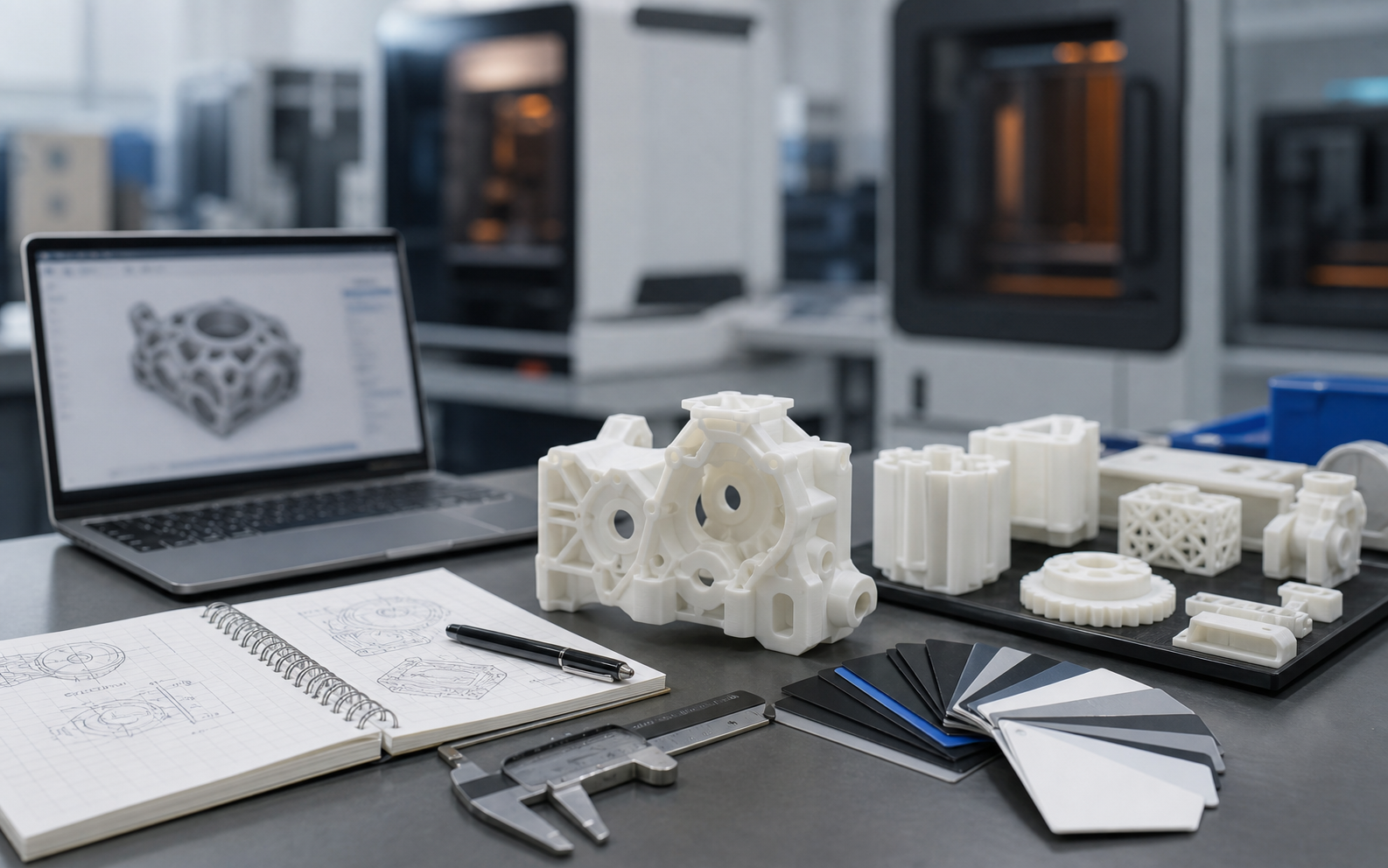
Prototype, fixture, custom part, small batch and cost-control topics for business users.
lantu3D is positioned as blueprint realization and lifecycle management, not just a print shop.

news
The transportation damage rate of 3D printed parts is as high as 15%? Professional packaging management system reduces costs and increases efficiency for you
3D printed parts face severe risk of damage during transportation. Statistics show that the transportation damage rate without professional packaging can reach 12-15%. This article provides an in-depth analysis of the transportation vulnerability of different process parts such as SLM, SLS, FDM, etc., explains in detail the technical parameters of packaging solutions such as EPE pearl cotton and anti-static materials, and provides a complete management system from packaging design to quality acceptance to help companies control the transportation damage rate within 2%.
news
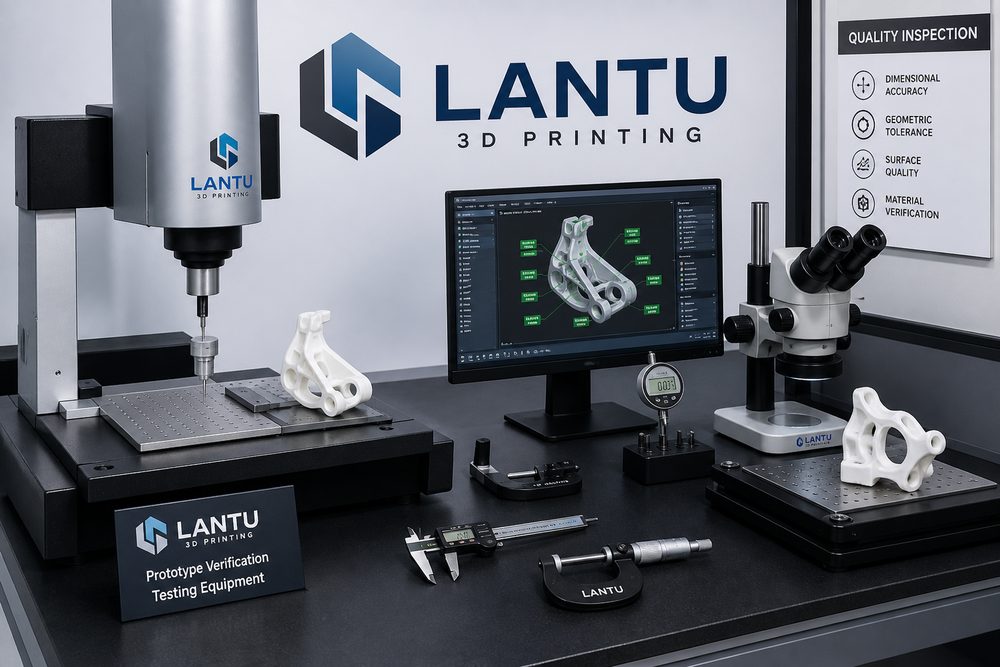
3D printing sample verification process: quality control from prototype to mass production
3D printing sample verification is a key link to ensure product quality. This article analyzes the complete process of sample verification in detail, including the three core links of dimensional accuracy testing, functional performance testing, and material performance verification. It provides specific technical parameter standards and industry specifications to help manufacturing companies establish a scientific verification system, reduce mass production risks, and improve product qualification rates.

news
5 key links and optimization strategies for 3D printing small batch production management
Small batch production is the core scenario of 3D printing services, but problems such as order fragmentation, high quality consistency requirements, and difficult cost control restrict the development of enterprises. This article systematically explains the practical methods and optimization strategies of 3D printing small batch production management from the five dimensions of order management, production scheduling, quality control, cost optimization and delivery management, combined with specific case data, to help companies improve delivery efficiency and customer satisfaction.
news
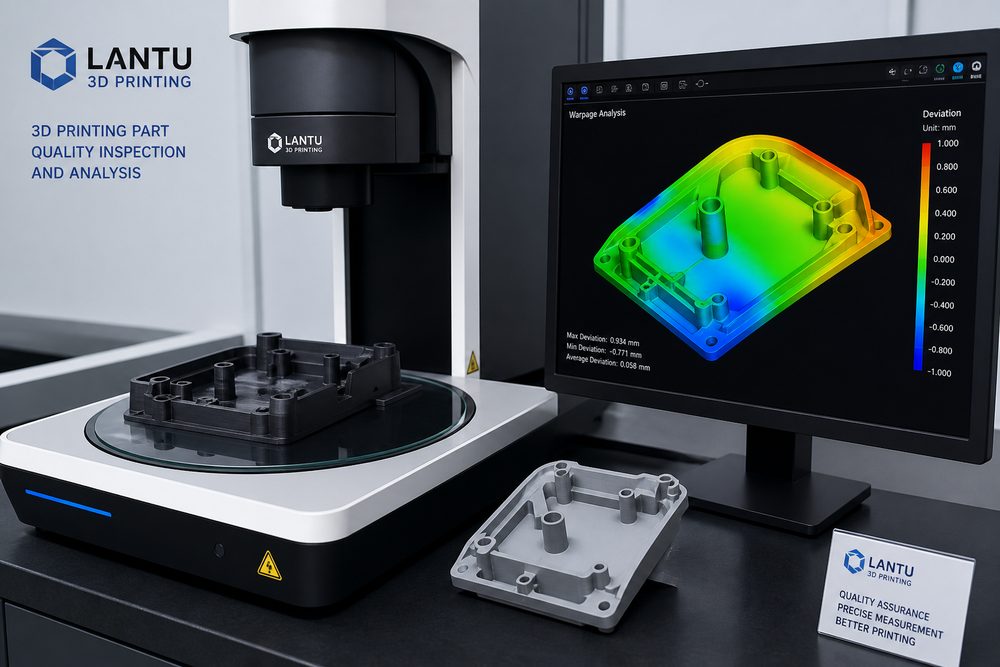
Analysis and prevention of common defects in 3D printing: systematic solutions from warping deformation to layer separation
3D printing defects directly affect part performance and production costs. This article systematically analyzes common problems such as warpage deformation, interlayer separation, pore defects, and dimensional deviations, deeply discusses the cause mechanism, and provides process parameter optimization solutions, testing standards, and preventive measures to help companies build a full-process quality control system and significantly improve printing success rates and part reliability.
news
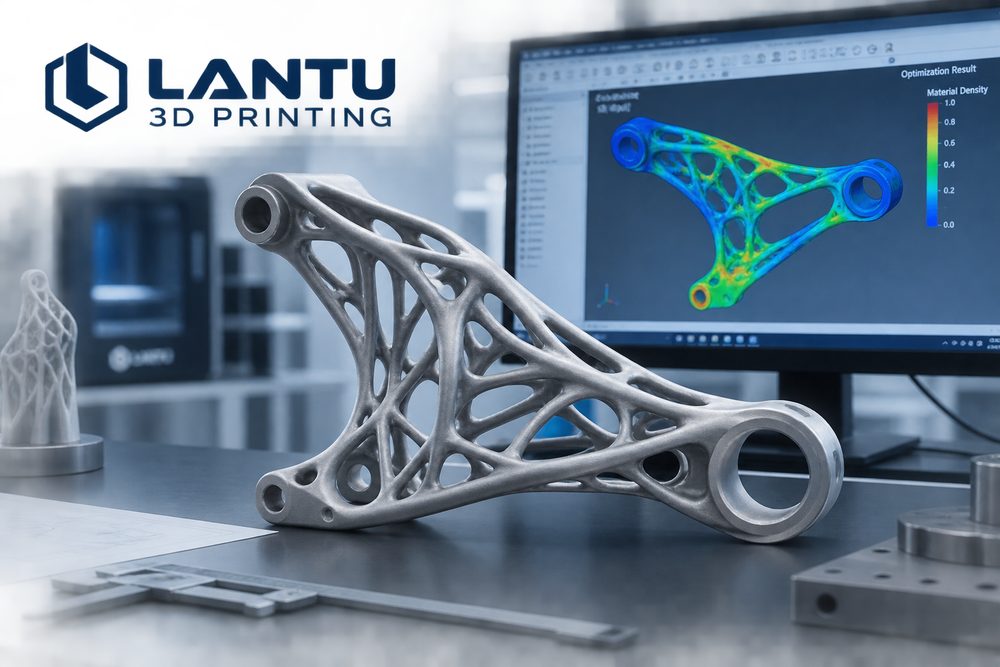
Design practice of topology optimization in 3D printing: from theory to implementation of lightweight parts
This article systematically explains the application of topology optimization in 3D printing, covering the principles of SIMP algorithm, OptiStruct and nTopology software parameter settings, and printing process constraint optimization strategies. Combined with the actual case of a 62% weight reduction of an aviation bracket, it provides a complete implementation path for lightweight design.
news
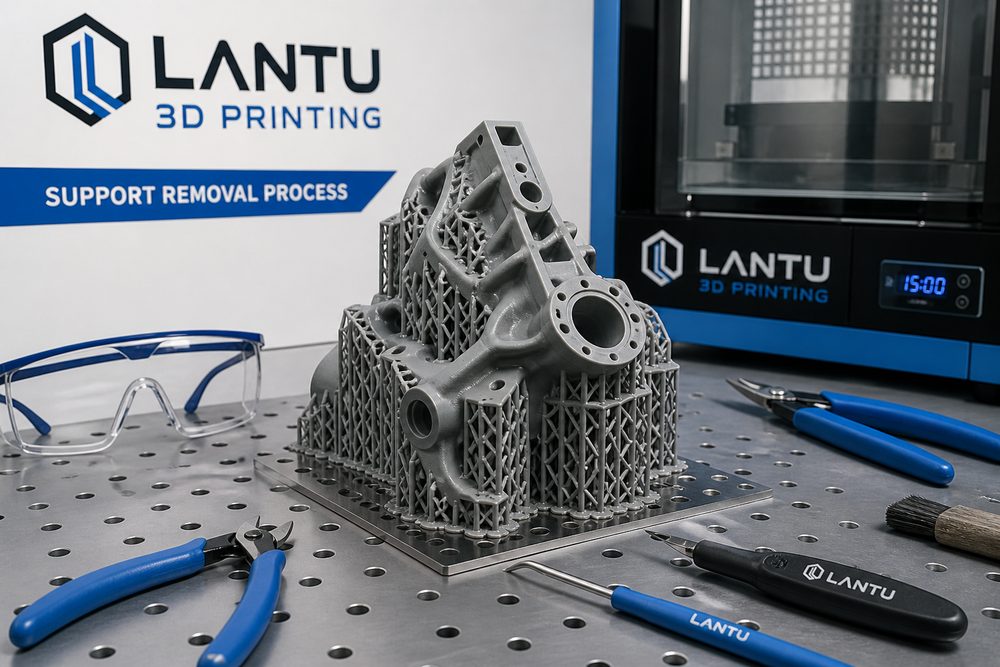
Full analysis of 3D printing support removal technology: a complete process from mechanical peeling to chemical dissolution
Support removal is a key part of 3D printing post-processing, which directly affects the surface quality and production efficiency of the part. This article systematically analyzes the classification of support structure types and removal methods, explains in detail the equipment parameters and operating procedures of mechanical removal, explains the principles and safety regulations of chemical dissolution technology, and provides post-processing quality assessment standards to provide operational process optimization solutions for manufacturing practitioners.
news
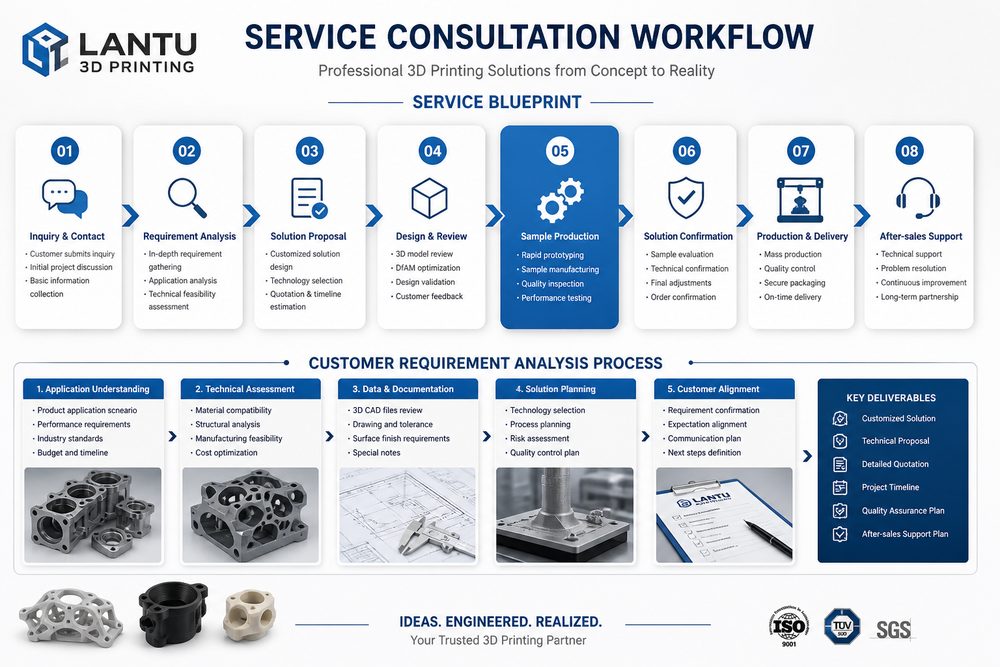
3D Printing Customer Needs Analysis Method: A Full-Process Analysis from Requirements Research to Solution Design
Systematic customer needs analysis is key to the success of 3D printing services. This article provides a detailed introduction to needs research methods, analysis tools, prioritization techniques, and solution validation processes, helping practitioners accurately understand customers’ true needs and improve service quality and customer satisfaction.

news
3D Printing Intellectual Property Protection Strategies: Comprehensive Safeguards from Data Security to Patent Portfolio Planning
An in-depth analysis of the intellectual property risks facing the 3D printing industry, including core issues such as design data leakage, patent infringement, and trade secret loss, along with a systematic protection strategy ranging from encryption technologies to patent portfolio planning. Combined with typical cases and legal foundations, it builds a full-chain intellectual property protection system.
news
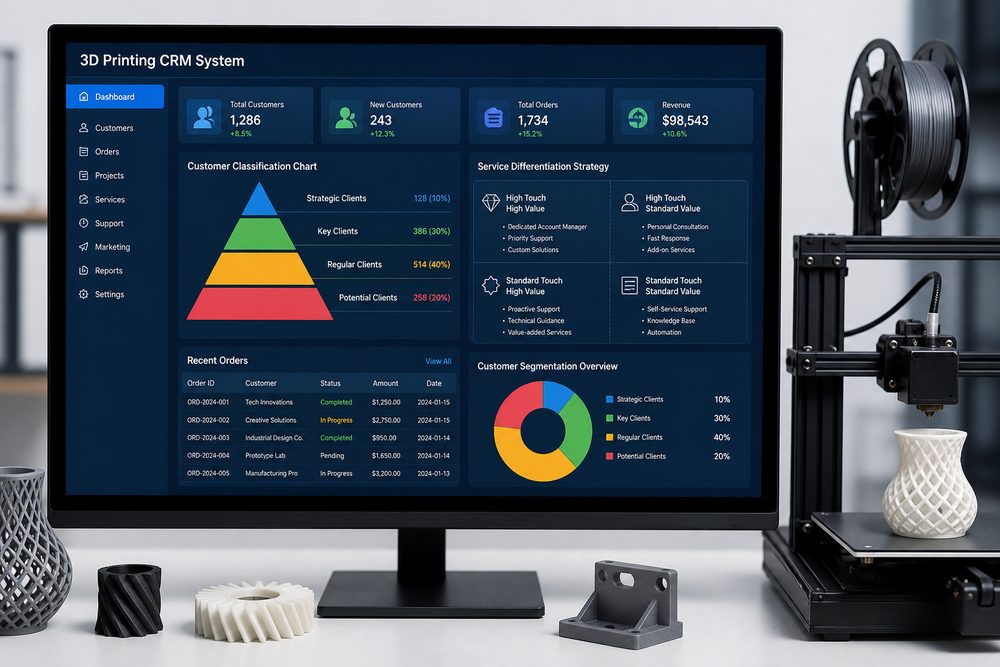
Customer Relationship Management for 3D Printing Companies: Systematic Operations from Customer Segmentation to Deep Service
Customer relationship management is a core capability for the sustainable development of 3D printing enterprises. This article systematically explains methods for customer relationship management, covering customer segmentation systems, differentiated service strategies, in-depth customer operations, and relationship maintenance mechanisms, and provides customer management templates and application cases to enable the continuous unlocking of customer value.
news
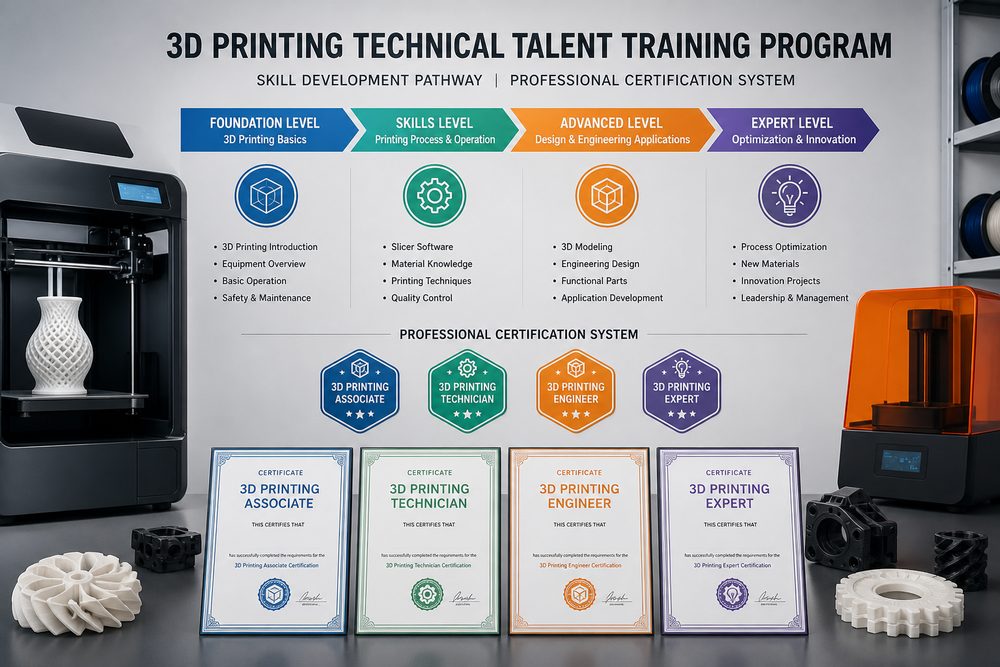
Technical Talent Development System for 3D Printing Enterprises: Systematic Construction from Recruitment and Selection to Capability Enhancement
Technical talent is a key pillar of the core competitiveness of 3D printing enterprises. This paper systematically explains how to build a technical talent development system, covering talent demand analysis, recruitment and selection standards, training system development, and competency evaluation mechanisms, and provides talent development templates and application cases to achieve continuous improvement of talent capabilities.
news
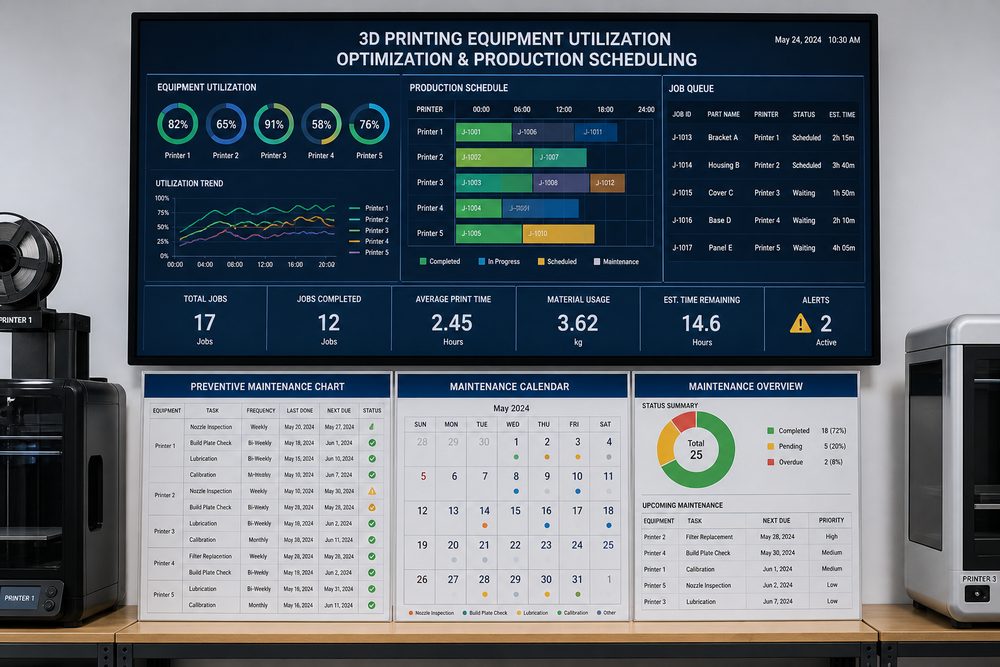
Improving Equipment Utilization in 3D Printing Enterprises: Performance Management from Scheduling Optimization to Preventive Maintenance
Equipment utilization is a key indicator of the profitability of 3D printing companies. This paper systematically explains methods for improving equipment utilization, covering analysis of current utilization conditions, scheduling optimization strategies, preventive maintenance systems, and capacity balancing methods, and provides efficiency management tools and application cases to maximize equipment performance.
news
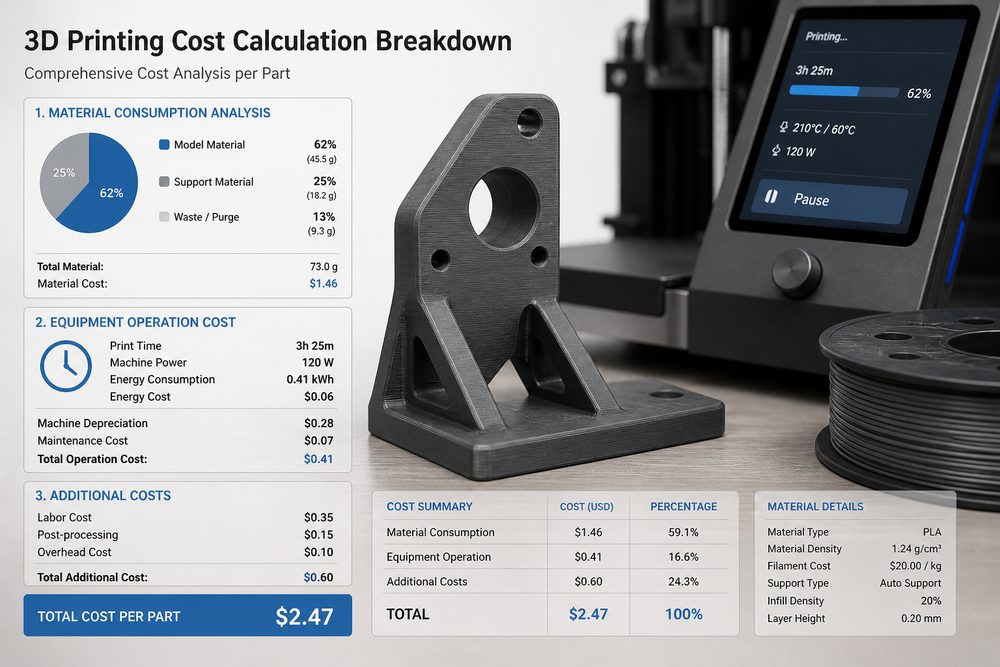
Cost Accounting System for 3D Printing Services: Precise Calculation from Material Consumption to Comprehensive Cost
Cost accounting is the foundation of pricing decisions and profitability management for 3D printing services. This article systematically explains how to build a cost accounting system, covering cost composition analysis, accounting model design, cost control strategies, and pricing decision support, and provides a template for the accounting system along with application cases to achieve more precise cost management.
Start From Here
Have a model, drawing, or only an idea?
Submit your requirement and our engineers will recommend a better design and manufacturing path based on use, size, quantity, material, tolerance and lead time.