No model yet, material choice and wall thickness are explained from a practical angle.
Knowledge Center
Blueprint News
lantu3D reviews wall thickness, structure, materials, process, quantity and finishing before quotation.
01Guides
02Materials
03Customer View
Content should help customer decisions
lantu3D articles focus on materials, processes, cost, modeling and manufacturability so customers understand key decisions before submitting a request.
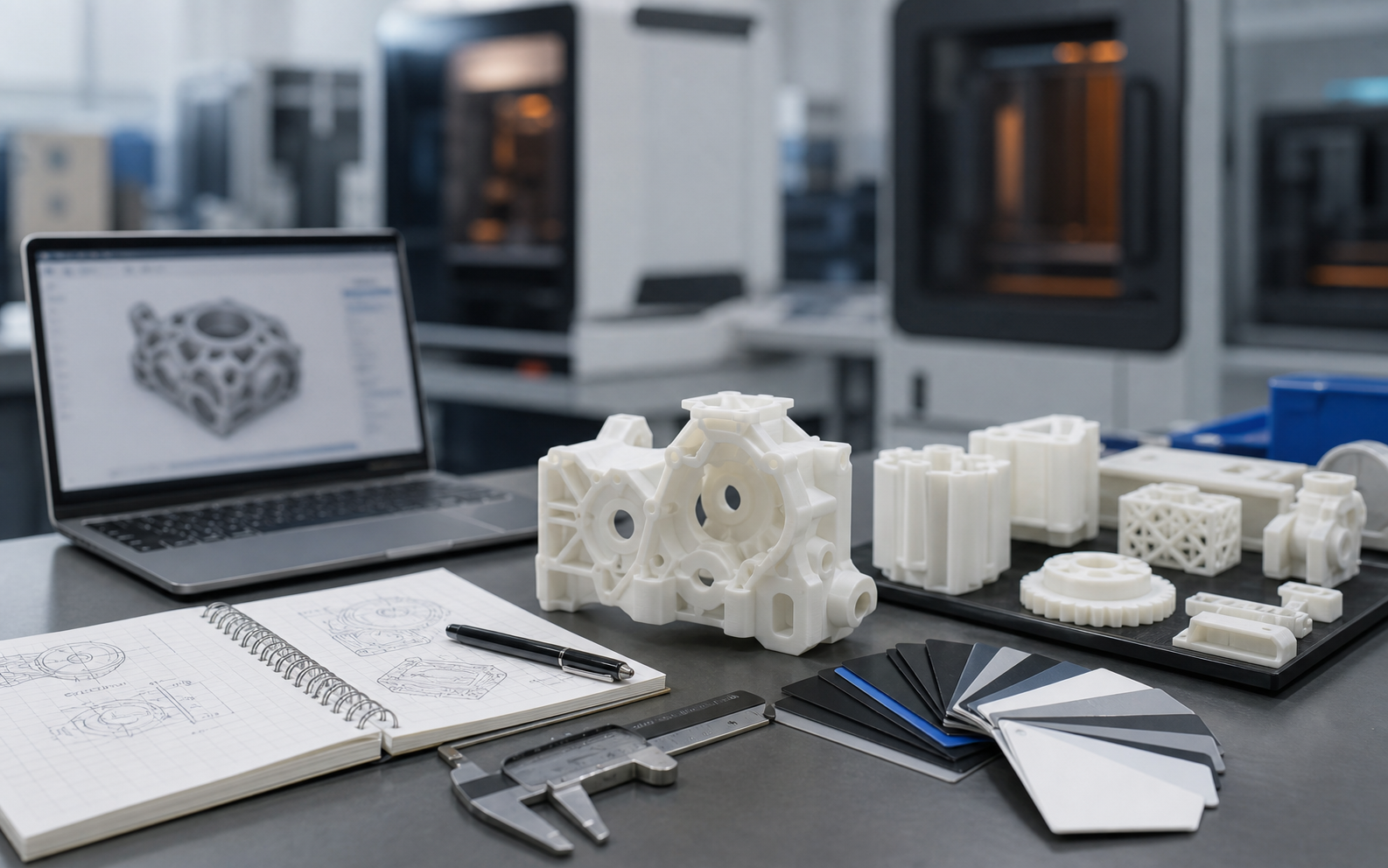
Prototype, fixture, custom part, small batch and cost-control topics for business users.
lantu3D is positioned as blueprint realization and lifecycle management, not just a print shop.
news
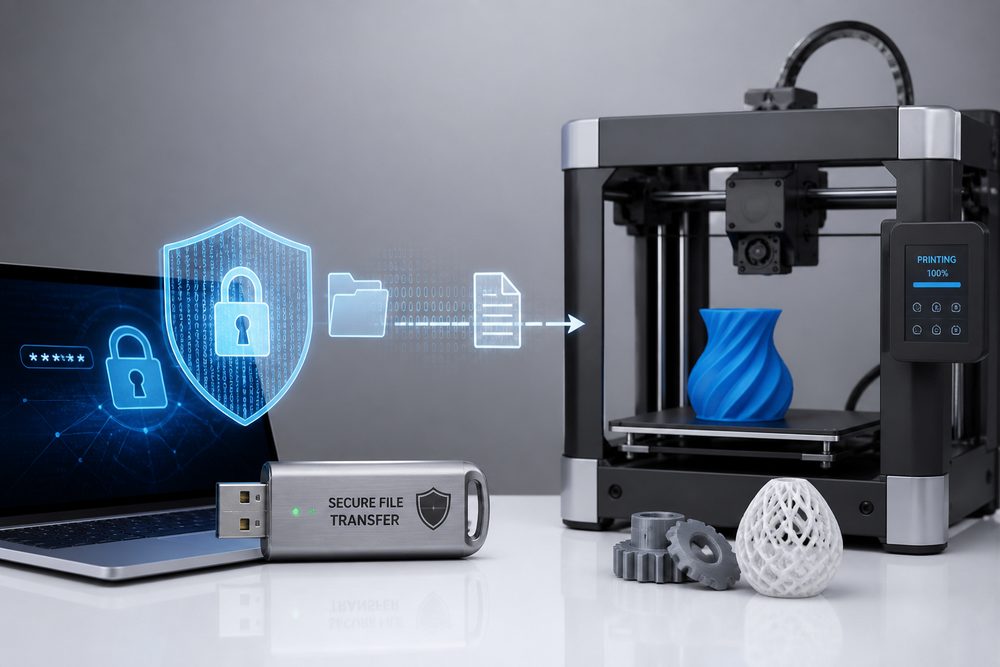
Customer Privacy Protection and Data Security in 3D Printing Services: An End-to-End Encryption Solution from Design Files to Delivery Information
With the advent of Industry 4.0, the protection of intellectual property in customers’ design files and the security of delivery information in 3D printing services have become core industry issues. This article systematically explains an end-to-end data security solution covering the entire process from file upload, storage encryption, and transmission protocols to delivery and destruction. It encompasses the AES-256 encryption algorithm, zero-knowledge proof architecture, GDPR compliance framework, and ISO 27001 certification standards, and, combined with real-world cases in aerospace, healthcare, and other fields, provides a complete path for 3D printing service providers to build a practical data security protection system.
news
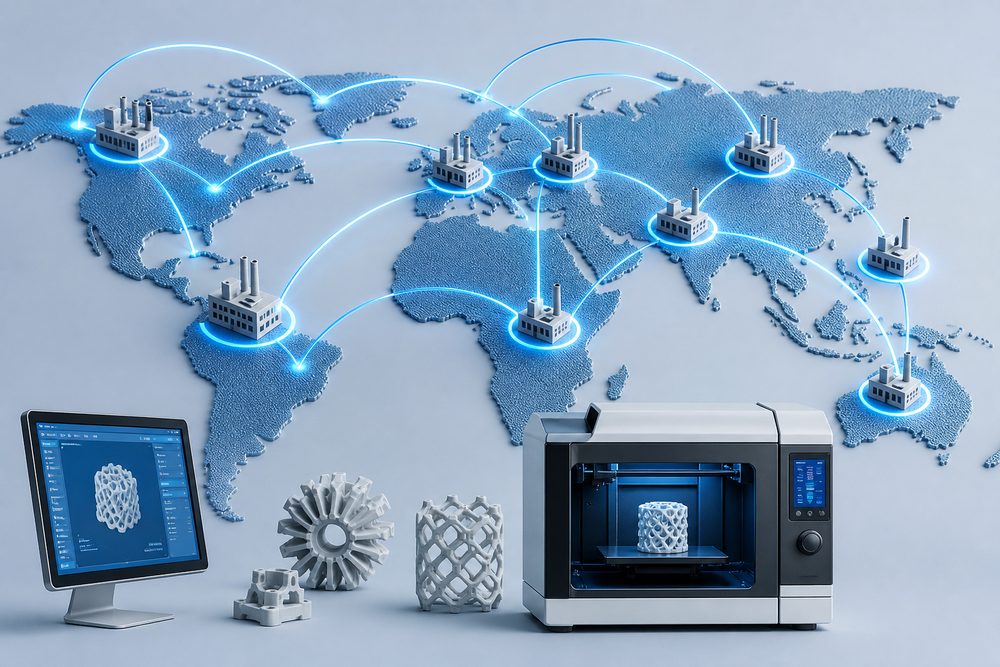
Cross-Regional Collaborative Manufacturing for 3D Printing Services: Networked Operations from Distributed Production to Unified Delivery
As the digital transformation of global manufacturing accelerates, traditional single-point 3D printing services can no longer meet cross-regional, large-scale manufacturing demands. This article provides an in-depth analysis of the technical architecture of distributed production networks, a unified delivery quality control system, and the key elements of networked operations, offering a systematic solution for 3D printing service companies to build cross-regional collaborative manufacturing capabilities and helping them achieve cross-regional delivery within 24–72 hours while increasing capacity utilization by more than 40%.
news
Emergency Order Processing Mechanism for 3D Printing Services: An Emergency Plan from Rapid Response to Priority Scheduling
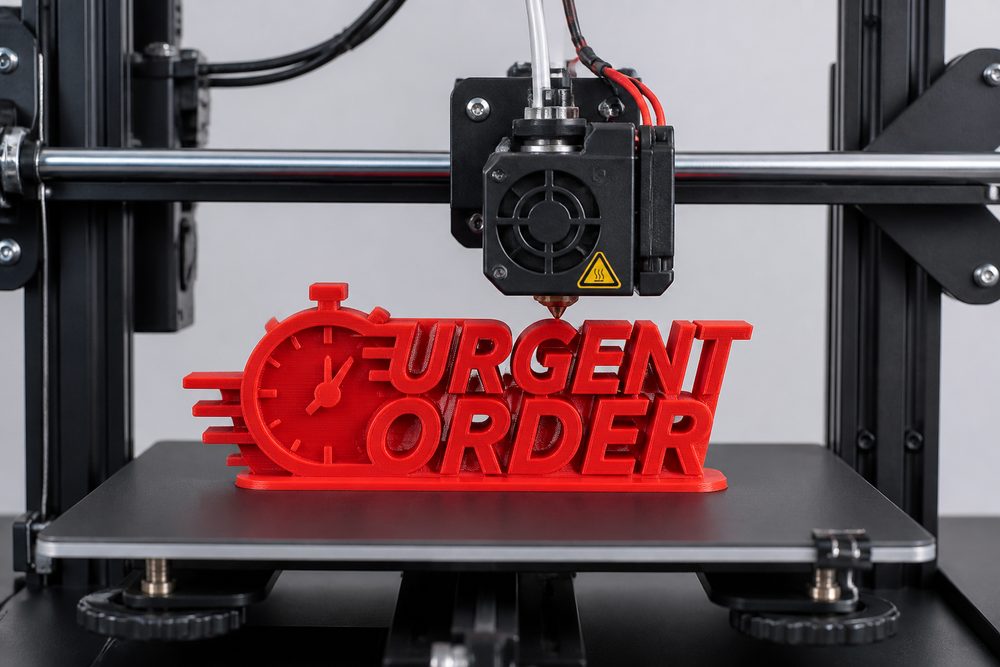
In industrial 3D printing services, the ability to handle urgent orders directly determines a company’s competitiveness. This article provides an in-depth analysis of the complete emergency workflow from order intake to delivery, including rapid response mechanism design, priority scheduling algorithms, multi-machine coordination strategies, quality risk control systems, and cost optimization solutions, helping service providers complete urgent deliveries within 24–72 hours while maintaining a balance between quality and profitability.
news
Classification of Photopolymer Resins and SLA Printing Processes: Application Selection from Standard Resins to Engineering-Grade Materials
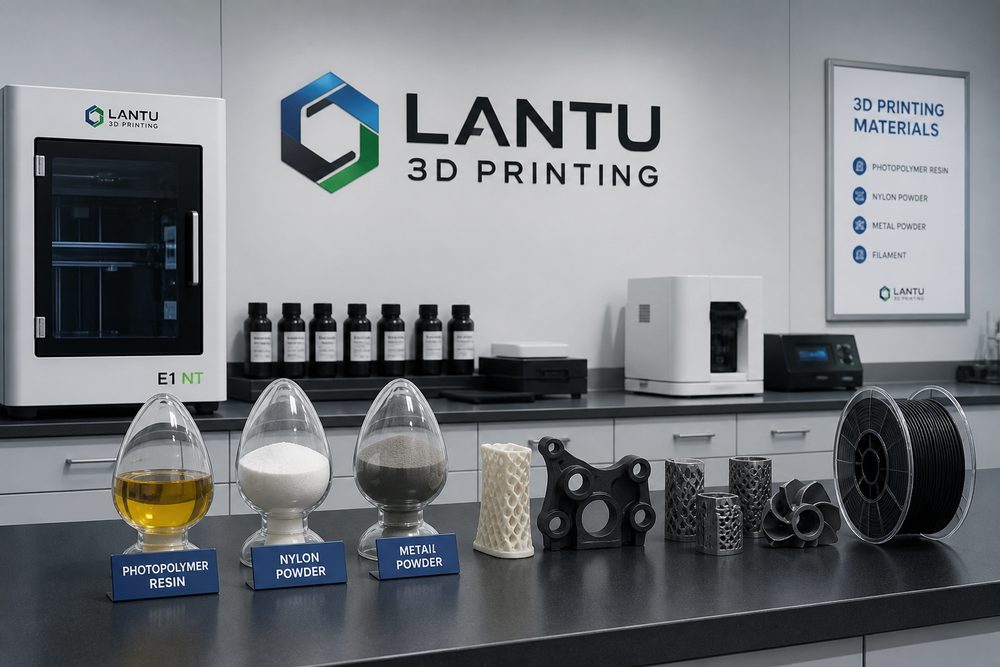
Photosensitive resin is the core material of SLA stereolithography. With technological development, it has evolved into a multi-category system including standard resin, tough resin, high-temperature-resistant resin, flexible resin, and engineering resin. This article systematically analyzes the properties of various photosensitive resins and SLA printing processes, and provides material selection guidelines, parameter optimization methods, and application scenario matching to help readers achieve precise alignment between resin materials and engineering requirements.
news
FDM Printing of PEEK High-Performance Polymers: From High-Temperature Molding to Manufacturing Medical Implants
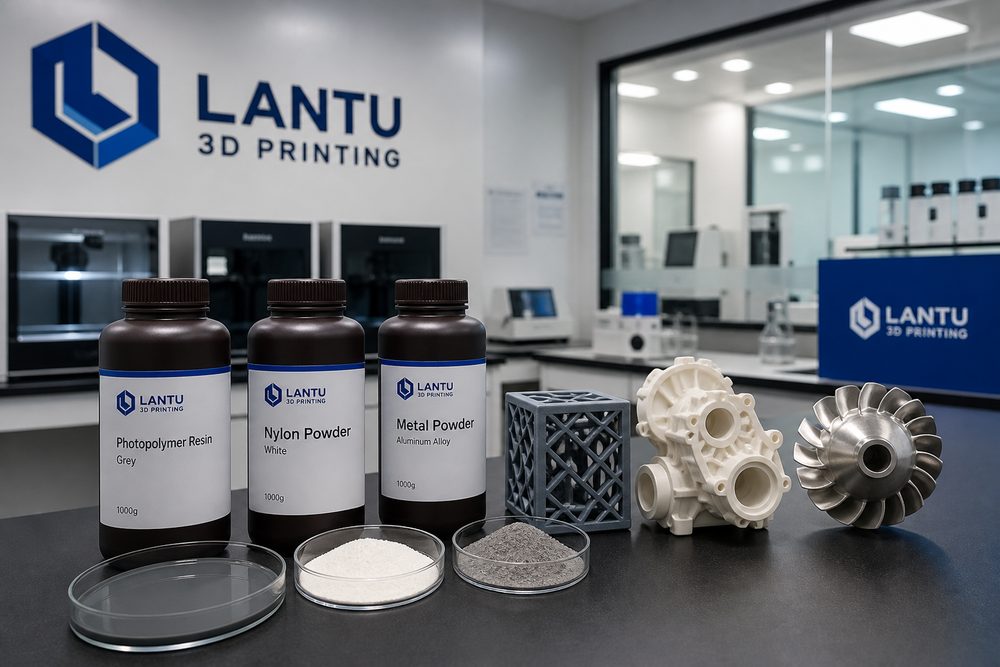
PEEK (polyether ether ketone) is a representative high-performance engineering plastic, with excellent mechanical properties, chemical resistance, and biocompatibility, and can be used long-term at 260°C. FDM printing of PEEK provides a new manufacturing pathway for high-performance applications such as medical implants, aerospace components, and chemical equipment. This article systematically analyzes the FDM printing process for PEEK, covering material properties, equipment requirements, process parameters, post-processing methods, and engineering practices in high-performance applications.
news
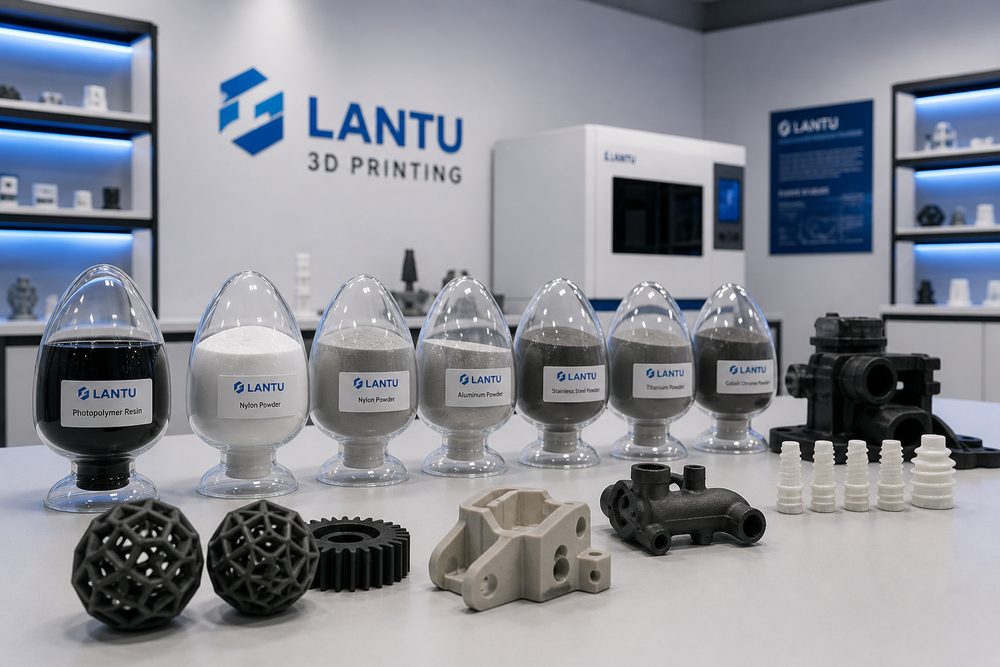
SLS Printing Process for Carbon Fiber-Reinforced Nylon: Manufacturing Methods from Composite Materials to High-Performance Parts
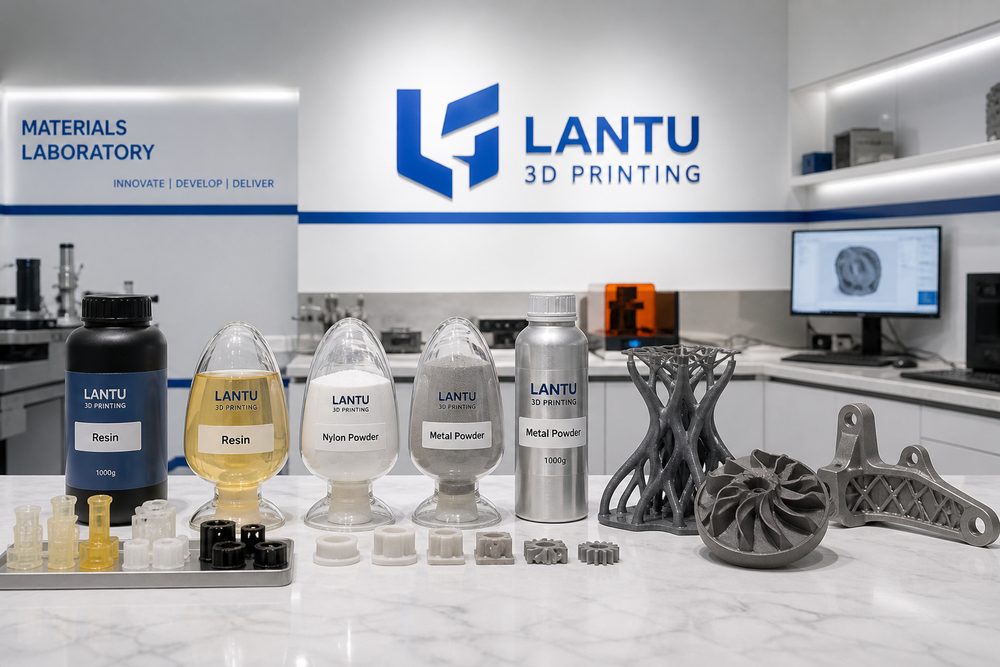
Carbon fiber-reinforced nylon PA12-CF combines the toughness of nylon with the high strength and high rigidity of carbon fiber, making it one of the best-performing composite materials in the SLS process. This article systematically analyzes the SLS printing process for PA12-CF, covering material properties, process parameters, mechanical performance, application scenarios, and performance comparisons with traditional materials, helping readers understand the 3D printing manufacturing path of high-performance composites.
news
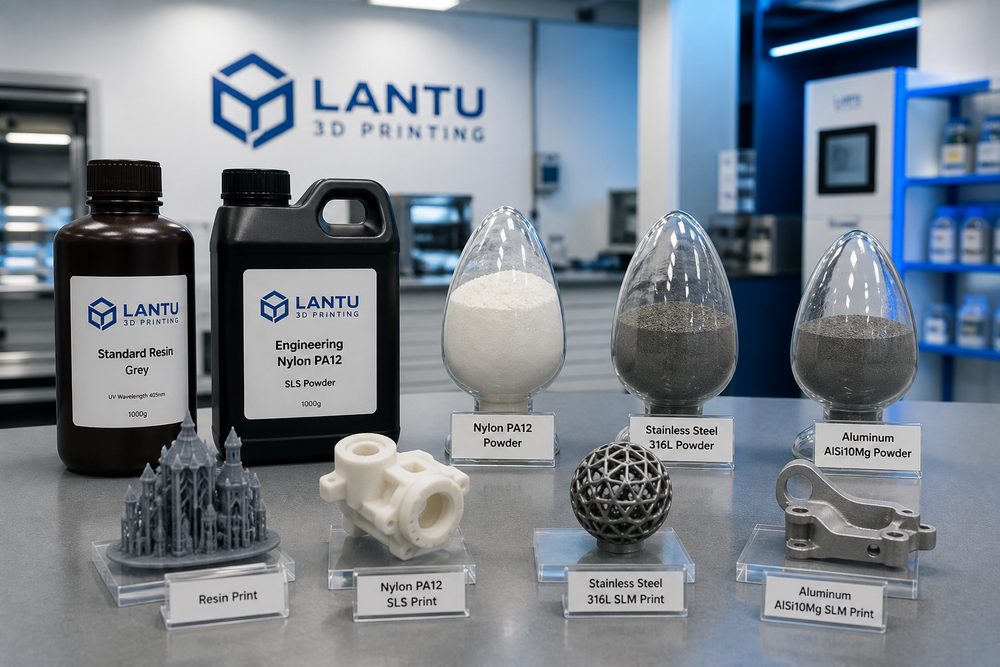
SLM Printing Process for AlSi10Mg Aluminum Alloy: From Rapid Cooling to the Realization of Lightweight Parts
AlSi10Mg is the most mature aluminum alloy material in the SLM process. It is characterized by low density, high specific strength, and good thermal conductivity, and is widely used in automotive, aerospace, electronic heat dissipation, and other fields. This paper provides an in-depth analysis of the SLM printing process for AlSi10Mg, covering material properties, optimization of process parameters, microstructure and property control, post-processing techniques, and engineering practices in lightweight structural design.
news
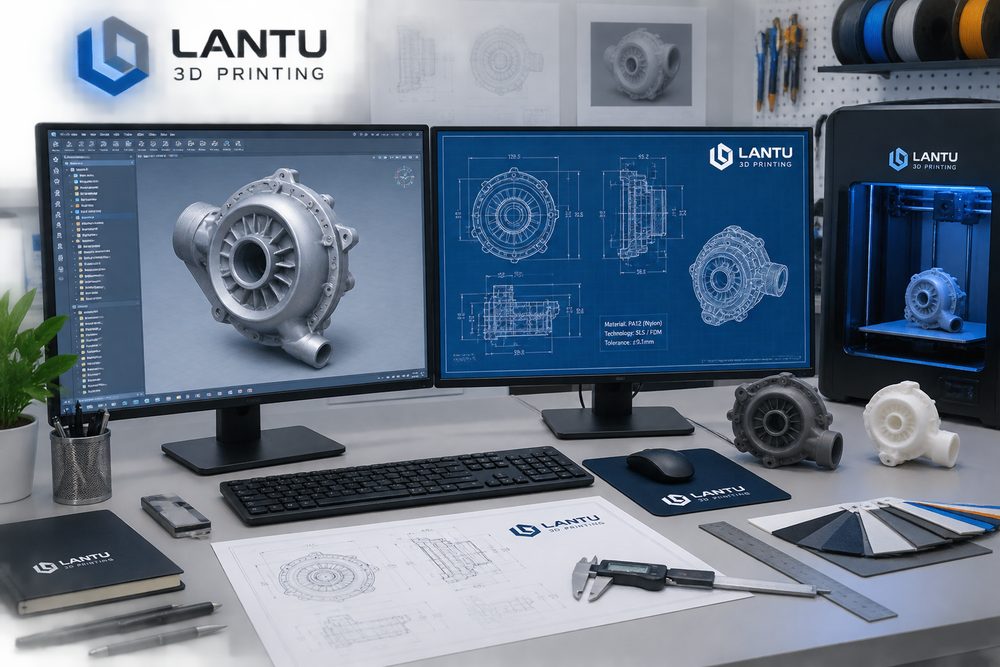
SLM Printing Process for 316L Stainless Steel: From Laser Melting to the Fabrication of Corrosion-Resistant Parts
316L stainless steel has become the preferred material in medical, chemical, and marine engineering fields due to its excellent corrosion resistance and mechanical properties. Selective laser melting (SLM) technology provides a new route for manufacturing complex 316L structural components. This paper systematically analyzes the SLM printing process for 316L stainless steel, covering powder characteristics, process parameters, microstructure and properties, post-processing methods, and engineering cases in practical applications.
news
3D Printing Surface Texture and Decorative Feature Design: From Functional Textures to Aesthetic Details
Surface texture is an important design element for 3D-printed parts. It can meet functional requirements such as anti-slip performance, labeling, and sealing, while also enhancing product aesthetics and brand recognition. This article systematically examines the design methods for surface textures in 3D printing, including the design rules, forming processes, and post-processing techniques for functional and decorative textures, helping designers achieve precise control over surface texture.
news
3D-Printed Hinge and Articulated Mechanism Design: From Clearance Control to Motion Precision
Movable mechanisms are an important direction for achieving functionality in 3D printing, including hinges, sliding rails, gear sets, linkage mechanisms, and more. Integrated printing of these mechanisms places special demands on design: clearance control, friction characteristics, motion accuracy, and durability. This article systematically analyzes the design methods for 3D-printed movable mechanisms, providing clearance parameter design, friction optimization strategies, and motion accuracy control techniques, and demonstrates implementation pathways for functional mechanisms through practical case studies.
news
3D Printing Thread and Fastener Design: Connection Solutions from Self-Tapping Threads to Inserts
Threaded connections are one of the main methods for assembling 3D-printed parts, but the low strength of plastic materials makes thread design challenging. This article provides an in-depth analysis of 3D-printed thread design methods, including self-tapping threaded hole design, threaded insert installation, and 3D-printed thread forming solutions. It also offers key techniques such as thread strength calculation, preload control, and anti-loosening design, helping designers achieve reliable threaded connections.
news
3D Printing Hole and Hole Pattern Design: Geometric Control Methods from Positional Accuracy to Fit Clearance
Holes are one of the most common geometric features in 3D-printed parts and are widely used in scenarios such as bolted joints, pin positioning, and fluid channels. The positional accuracy, dimensional accuracy, and surface quality of holes directly affect a part’s assembly performance and functional realization. This article systematically analyzes the formation characteristics of hole features across different processes, and provides hole diameter design rules, methods for controlling positional accuracy, and optimization strategies for hole-array layouts to help designers achieve reliable printing of high-precision hole features.
Start From Here
Have a model, drawing, or only an idea?
Submit your requirement and our engineers will recommend a better design and manufacturing path based on use, size, quantity, material, tolerance and lead time.