
No model yet, material choice and wall thickness are explained from a practical angle.
Knowledge Center
Blueprint News
lantu3D reviews wall thickness, structure, materials, process, quantity and finishing before quotation.
01Guides
02Materials
03Customer View
Content should help customer decisions
lantu3D articles focus on materials, processes, cost, modeling and manufacturability so customers understand key decisions before submitting a request.
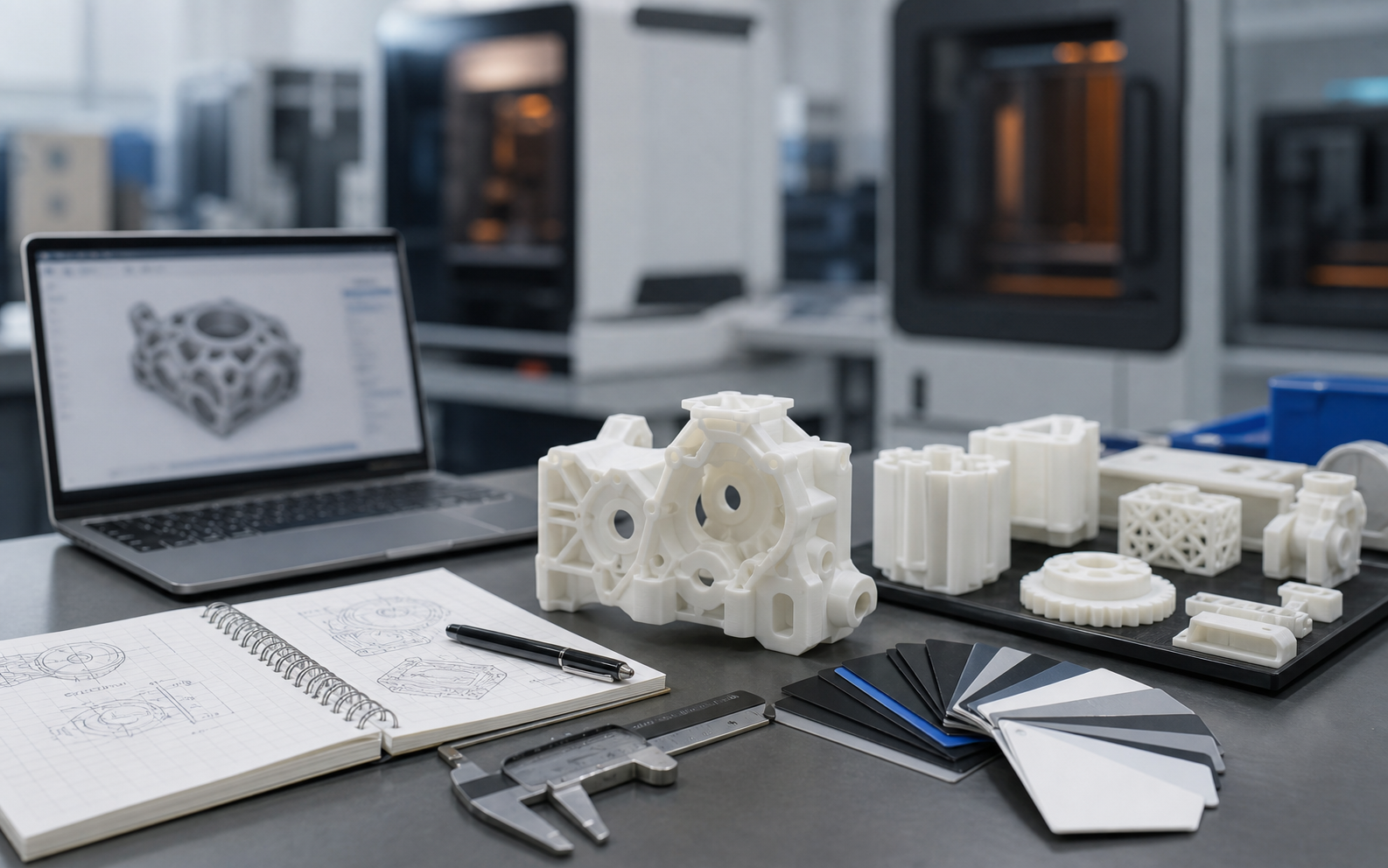
Prototype, fixture, custom part, small batch and cost-control topics for business users.
lantu3D is positioned as blueprint realization and lifecycle management, not just a print shop.
news
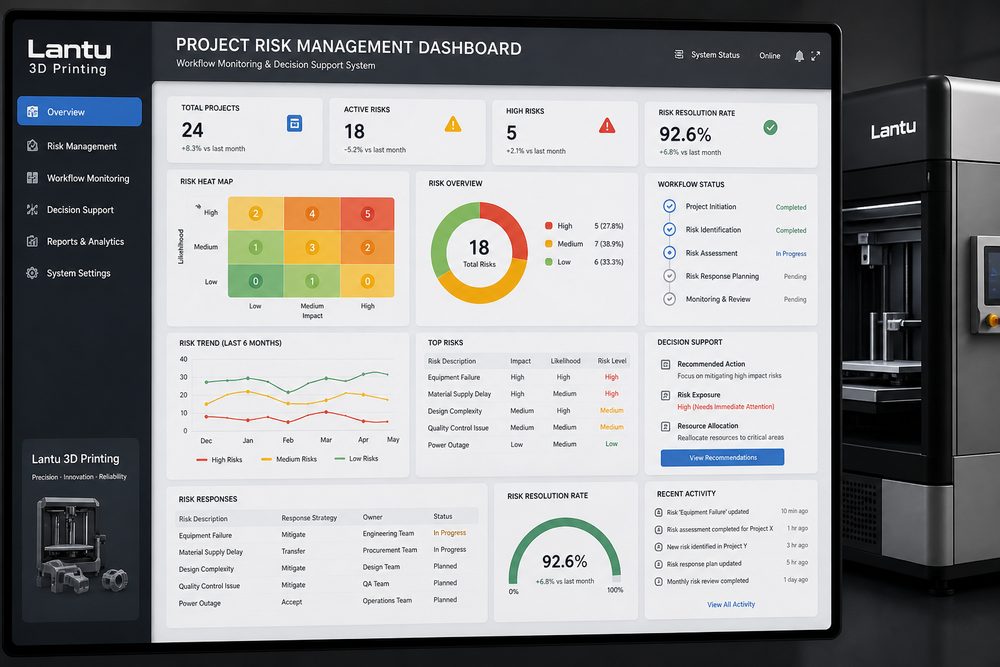
3D Printing Project Risk Management Guide: A Systematic Approach from Risk Identification to Emergency Response
3D printing projects face multi-dimensional risks such as technology, supply chain, quality, and cost. This guide systematically introduces risk identification methods, assessment quantification tools, response strategy formulation, and monitoring emergency mechanisms. Combined with project management cases, it provides the 3D printing service team with a full-process management framework from risk prevention to crisis management, helping to improve project success rates and customer satisfaction.
news
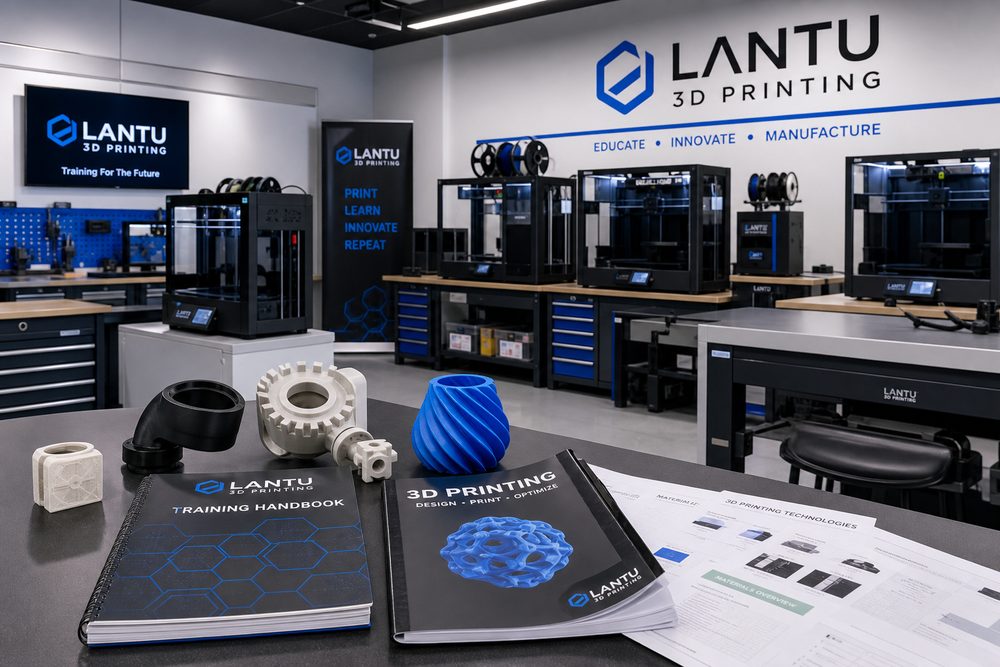
Construction of 3D printing talent training system: a complete solution from skill identification to team building
With the in-depth application of 3D printing technology in the manufacturing industry, the shortage of professional talents has become a key bottleneck restricting the development of the industry. This article systematically explains the construction method of 3D printing talent training system, covering skill identification model, four-level training course system, practical ability improvement path, team building and incentive mechanism. Through analysis of actual corporate cases and training data, it provides an operational reference framework for companies to build complete talent training programs.
news
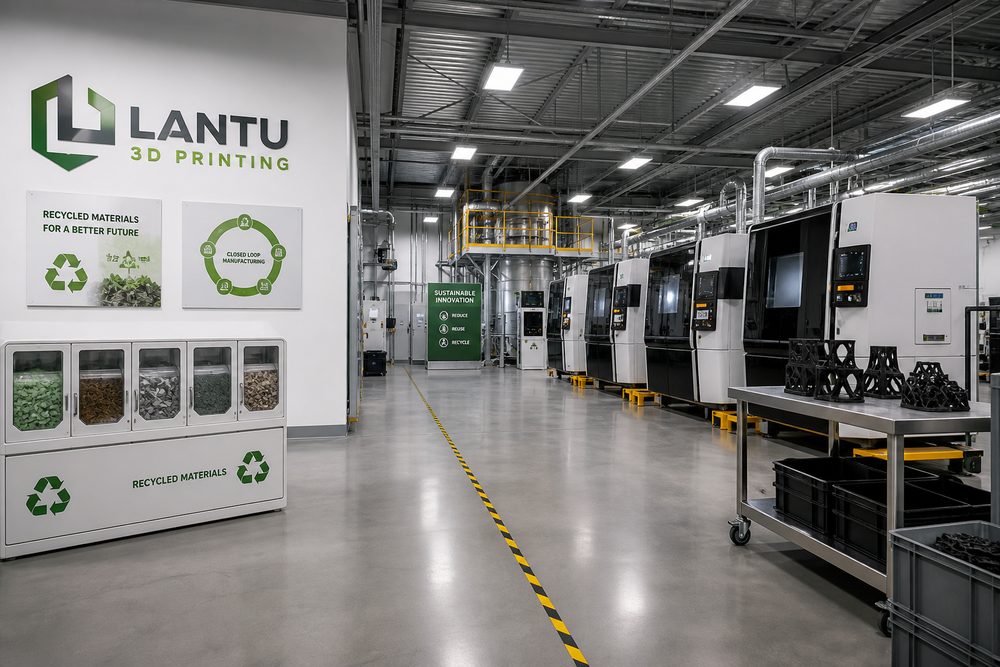
3D printing environmental protection and sustainable development: a practical path from green materials to circular economy
3D printing technology shows great potential in promoting the sustainable development of manufacturing. This article systematically analyzes the environmentally friendly material system, waste recycling technology, energy optimization plan and circular economy business model of 3D printing, demonstrates the practice path of green manufacturing through specific data and cases, and provides technical reference for enterprises to achieve the goal of carbon neutrality.
news
3D printing cross-department collaboration mechanism: an efficient process that connects design, production and quality control
3D printing technology is an important part of the digital transformation of the manufacturing industry. Its successful implementation is inseparable from the efficient collaboration of design, engineering, production, quality and other departments. Based on actual project cases, this article conducts an in-depth analysis of typical issues in cross-department collaboration, proposes a process optimization solution based on the PLM system, and introduces how to shorten the product development cycle by 30% and increase the yield rate to over 95% through the standardized operating procedures (SOP) and quality gate (Quality Gate) mechanisms.
news
3D printing production scheduling optimization: digital transformation from chaos to intelligent scheduling
This article explores in depth the core challenges and solutions for 3D printing production scheduling optimization. Starting from the problem of low equipment utilization in multi-variety and small batch production mode, we analyze the bottlenecks in key links such as printing time prediction, material preparation, and equipment coordination. Through intelligent scheduling algorithms, MES system integration, real-time monitoring feedback and other technical means, combined with the actual case of an auto parts company that increased its production capacity by 40%, it systematically explains how to build an efficient 3D printing production scheduling system, providing a practical path for the digital transformation of manufacturing companies.

news
Guide to building a 3D printing standardization system: a systematic approach from material certification to quality control
As 3D printing technology moves from prototype manufacturing to large-scale production, the construction of a standardized system has become a key symbol of industry maturity. This article systematically explains the framework design, material certification process, process quality control points and implementation paths of the 3D printing standardization system, providing operational guidance for enterprises to build a complete quality assurance system.
news
3D printing energy consumption optimization practice: how to reduce manufacturing costs by more than 30%
As 3D printing transitions to large-scale production, energy consumption has become a key factor affecting cost-effectiveness. This article in-depth analyzes the energy consumption characteristics of the three mainstream processes of FDM, SLS, and SLA, reveals the energy consumption distribution rules, and proposes a full-link energy-saving solution from equipment selection, parameter optimization, intelligent scheduling to process improvement, and combines it with actual cases to verify that more than 30% energy consumption reduction can be achieved.
news
3D printing knowledge management system: solving the dilemma of technology fragmentation and realizing the assetization of process experience
3D printing companies face pain points such as scattered technical parameters, difficulty in tracing failure cases, and reliance on personal experience for process knowledge. This article systematically explains the knowledge management system construction method, covering core elements such as process parameter library construction, failure case database, knowledge classification retrieval system, etc., combined with SLS/SLA/FDM process examples, to provide implementable implementation paths and optimization strategies to help enterprises realize technology assetization.
news
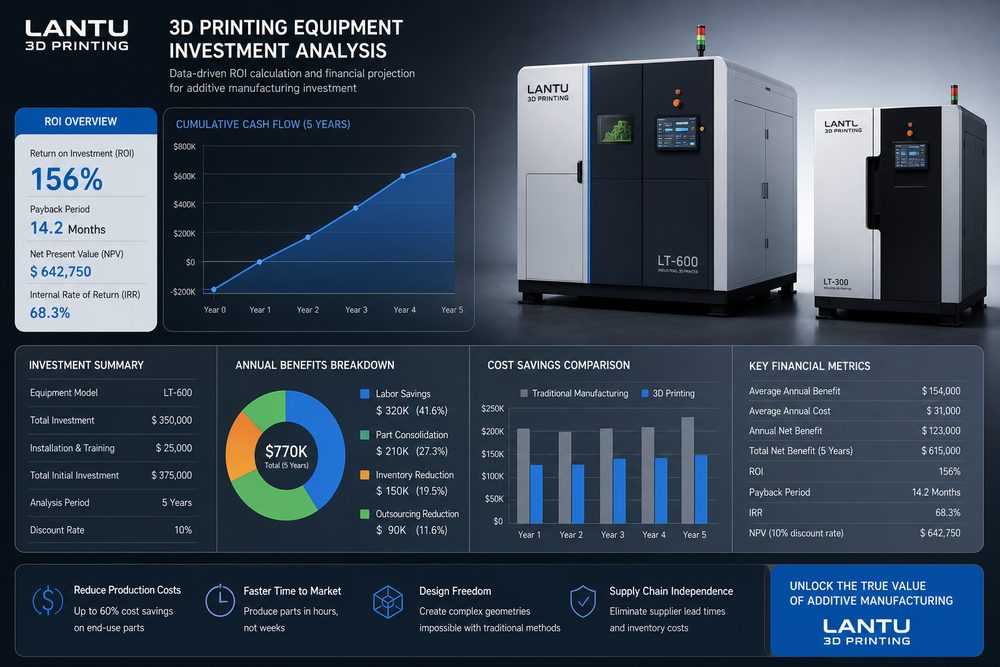
3D printing equipment investment decision analysis: a full process guide from technology selection to ROI calculation
This article systematically analyzes the core elements of 3D printing equipment investment decisions, covering process technology selection (FDM/SLA/SLS/SLM), key equipment parameter evaluation, cost structure calculation model, and investment return rate calculation methods. Combined with practical application cases in aerospace, consumer electronics, medical equipment and other industries, it provides enterprises with a scientific equipment procurement decision-making framework and risk management and control strategies, helping enterprises to achieve precise investment in the field of additive manufacturing.

news
3D printing customer complaint handling mechanism: analysis of the entire process from technical root causes to service closed loop
Due to the complexity of the process and the diversity of materials, the customer complaint rate of 3D printing services is generally higher than that of traditional manufacturing. This article starts from the three major complaint types of dimensional accuracy, surface quality, and delivery delays, conducts an in-depth analysis of the technical root causes, builds a hierarchical response mechanism, and verifies the effectiveness of the processing process through actual cases, helping companies shorten complaint handling time by 60% and increase customer satisfaction by 25%.

news
Thoughts caused by an unqualified part: A complete path to build a 3D printing quality traceability system
3D printing technology is increasingly used in manufacturing, but the imperfect quality traceability system has become a key bottleneck restricting its large-scale application. This article starts from actual quality issues, conducts an in-depth analysis of the difficulties in controlling parameters in the 3D printing process, and systematically explains the construction method of the quality traceability system, including core links such as data collection, process monitoring, and quality traceability chains. It also combines actual cases from aerospace, medical implants and other industries to provide manufacturing companies with practical implementation plans.

news
The transportation damage rate of 3D printed parts is as high as 15%? Professional packaging management system reduces costs and increases efficiency for you
3D printed parts face severe risk of damage during transportation. Statistics show that the transportation damage rate without professional packaging can reach 12-15%. This article provides an in-depth analysis of the transportation vulnerability of different process parts such as SLM, SLS, FDM, etc., explains in detail the technical parameters of packaging solutions such as EPE pearl cotton and anti-static materials, and provides a complete management system from packaging design to quality acceptance to help companies control the transportation damage rate within 2%.
Start From Here
Have a model, drawing, or only an idea?
Submit your requirement and our engineers will recommend a better design and manufacturing path based on use, size, quantity, material, tolerance and lead time.