Classification framework of resin materials
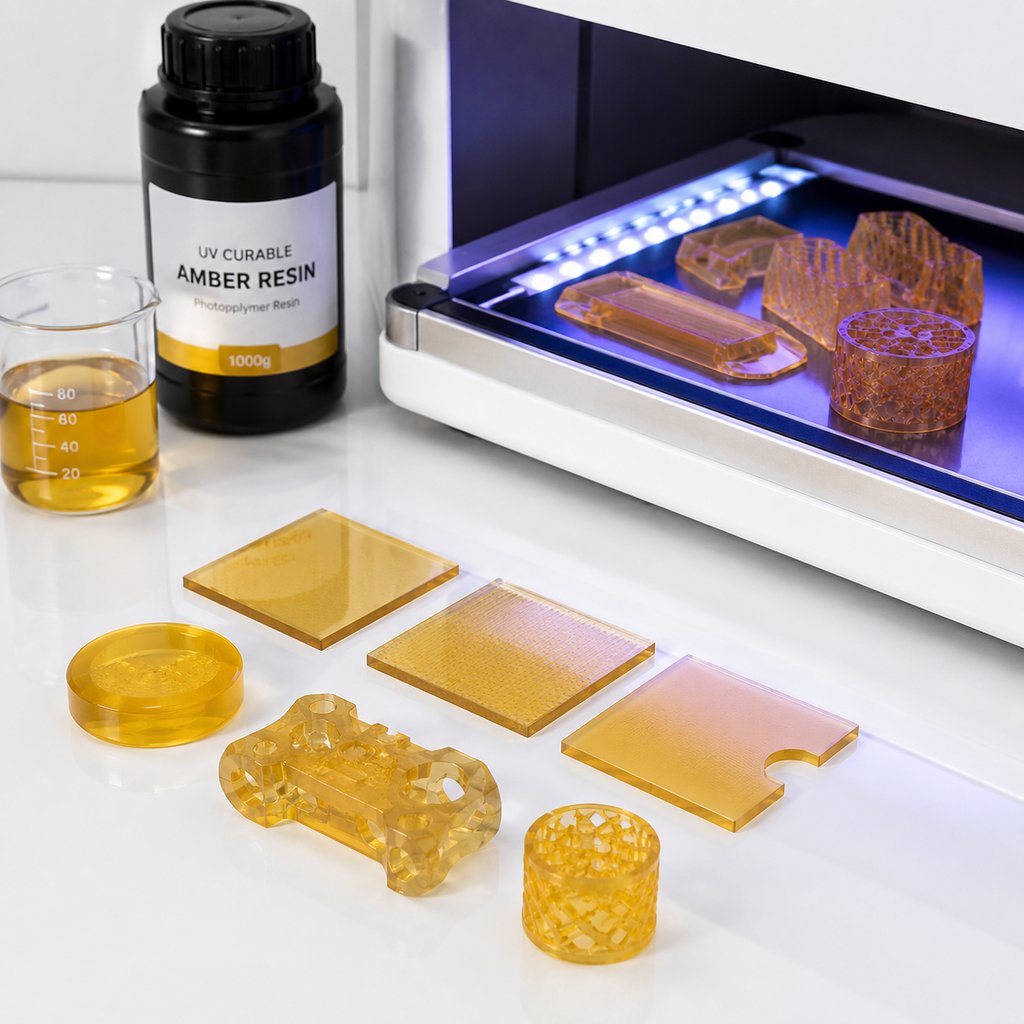
Photosensitive resins on the market can be divided into four categories according to their performance: engineering grade, standard grade, flexible grade and high temperature resistant grade. The tensile strength of engineering-grade resin can reach more than 60MPa, which is suitable for direct functional prototypes; standard resin is mainly used for appearance verification, with low cost and good surface gloss; the elongation at break of flexible resin can reach more than 100%, suitable for buckle and sealing structures; high-temperature-resistant resin can withstand temperatures above 120°C and is suitable for parts close to heat sources.
Core indicators for resin selection
When selecting, you must first consider whether the purpose is appearance verification or functional verification. For appearance verification, just select standard resin, focusing on surface fineness and colorability. Functional verification must compare mechanical data such as tensile strength, flexural modulus and impact toughness, and also consider the temperature, humidity, chemical exposure and other conditions of the use environment. Some resins will accelerate aging under ultraviolet irradiation. Parts used outdoors need to pay special attention to the anti-UV formula.
Cost considerations for common selections
The price of engineering-grade resin is usually 2-3 times that of standard resin, but it can reduce the number of repeated prototypes in the functional verification process, and the overall cost is lower. For parts that require subsequent spraying or electroplating, resin varieties with good adhesion to the substrate should be selected to avoid delamination during the post-processing stage. For projects with small quantities and multiple varieties, it is recommended to negotiate small packaging specifications with suppliers to reduce the occupation of inventory funds.
Submit a model, drawing, image or written notes. Engineers will review material, process, finishing and delivery based on actual use.