No model yet, material choice and wall thickness are explained from a practical angle.
Knowledge Center
Blueprint News
lantu3D reviews wall thickness, structure, materials, process, quantity and finishing before quotation.
01Guides
02Materials
03Customer View
Content should help customer decisions
lantu3D articles focus on materials, processes, cost, modeling and manufacturability so customers understand key decisions before submitting a request.
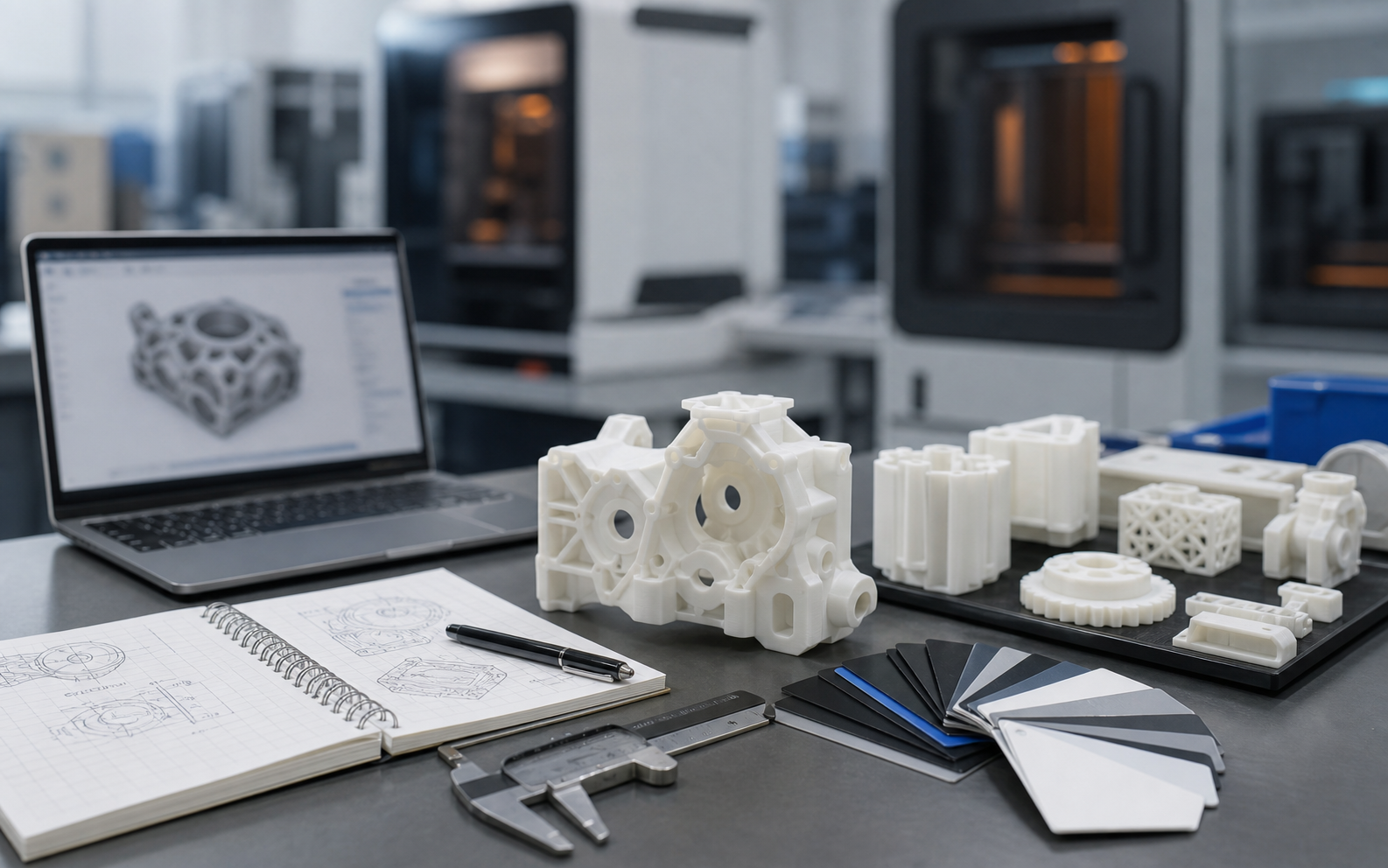
Prototype, fixture, custom part, small batch and cost-control topics for business users.
lantu3D is positioned as blueprint realization and lifecycle management, not just a print shop.
news
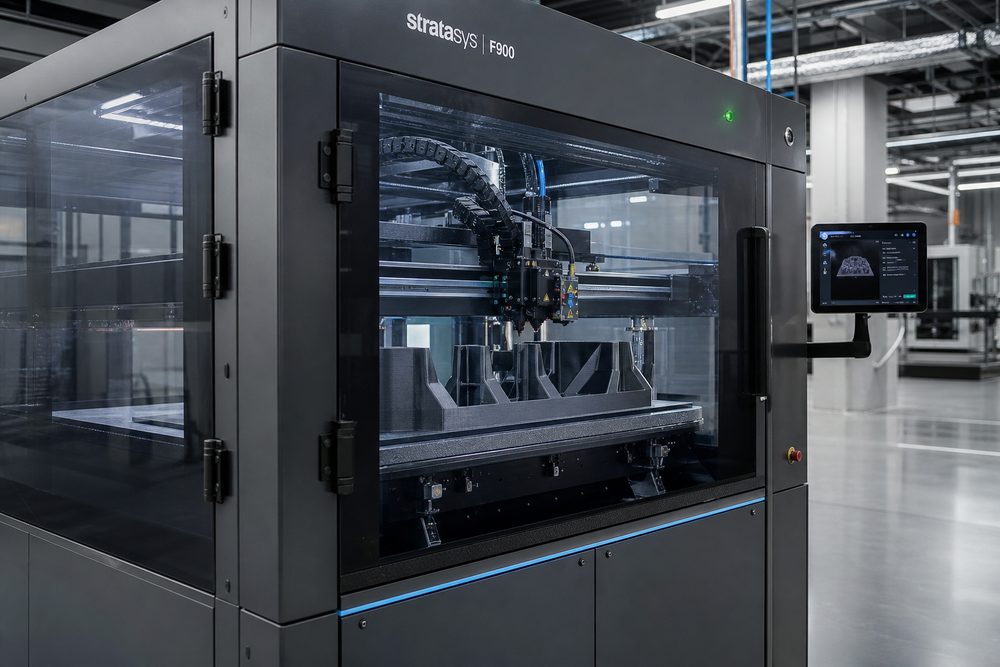
Reverse engineering and digital inventory management of 3D printing of industrial equipment spare parts
3D printing combined with reverse engineering can realize on-demand manufacturing of discontinued spare parts and solve the problem of supply chain interruption.
news
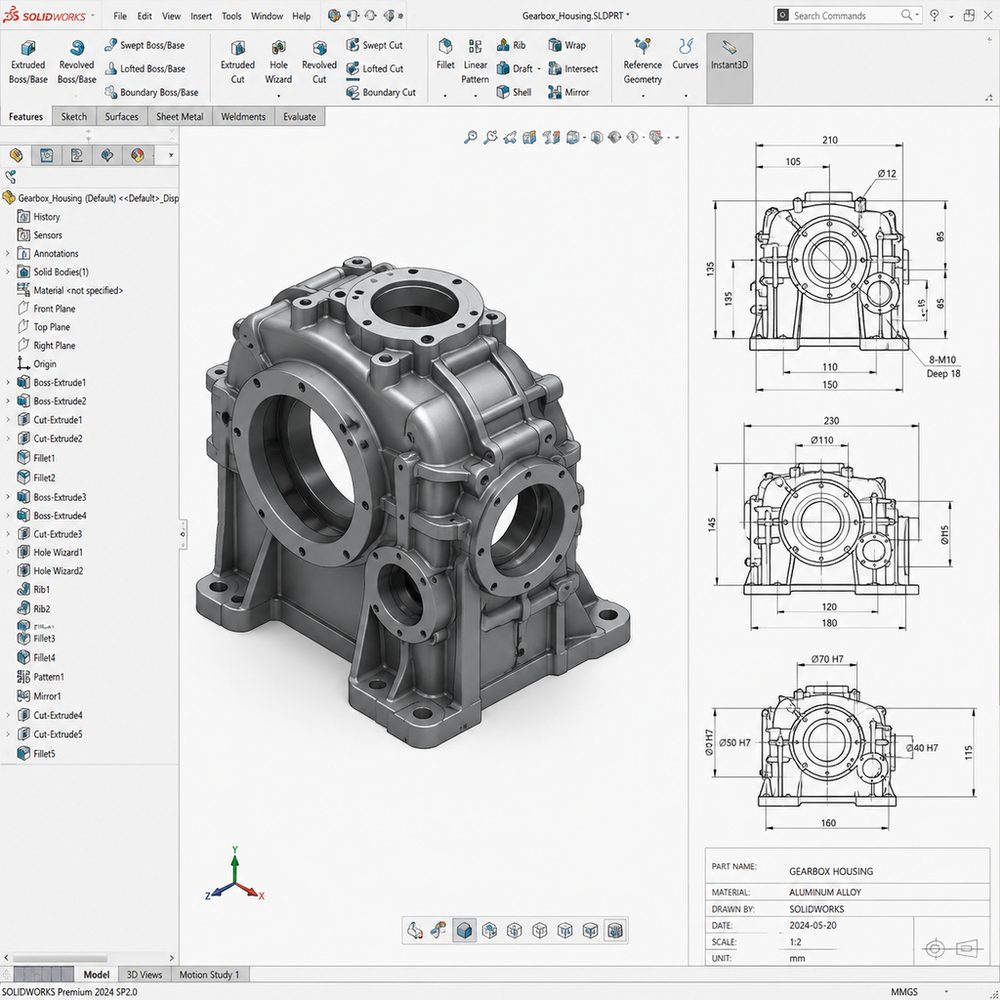
Appearance sample production of consumer electronics products: from design rendering to physical display
High-precision appearance samples can truly restore the design effect, providing strong support for product release and marketing.
news
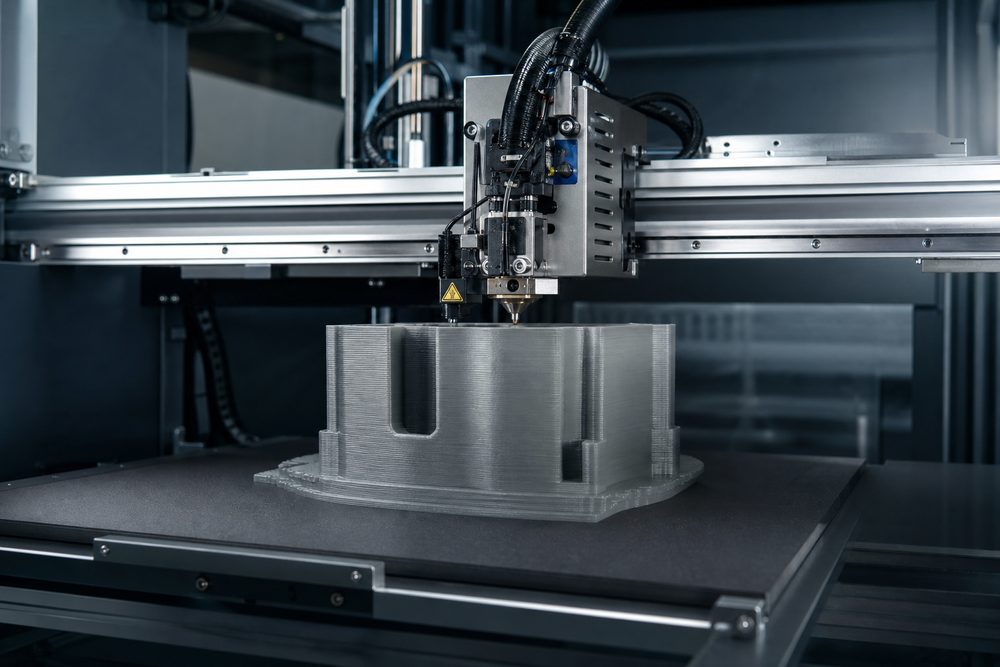
3D printing process certification and quality control for aerospace lightweight components
The aerospace field has extremely high requirements for the certification of 3D printed parts, and a complete quality control system needs to be established.
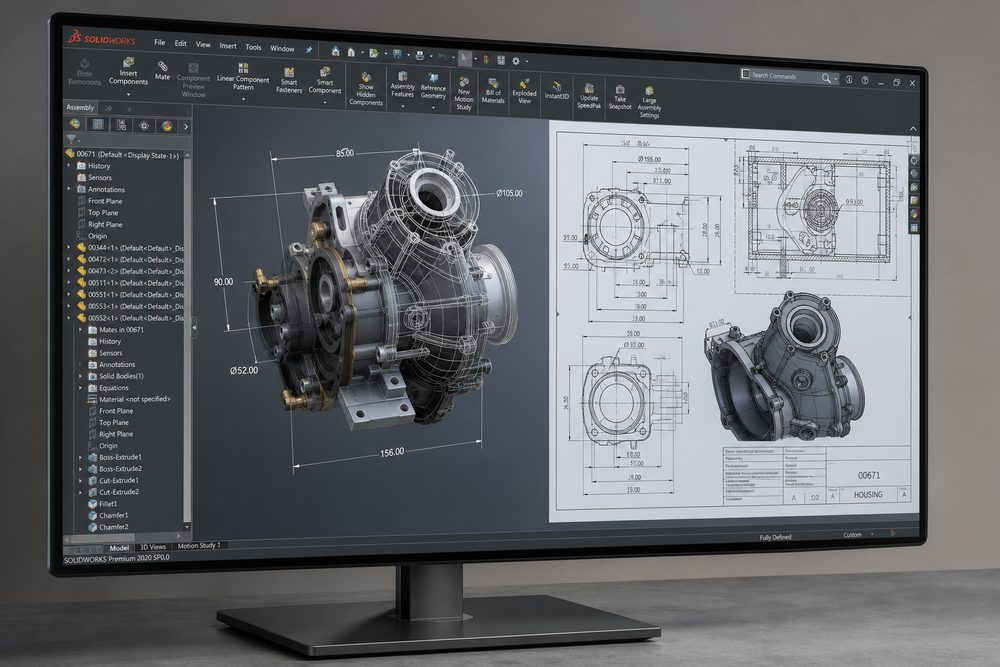
news
Regulatory Compliance and Design Verification Process for Medical Device Prototype Development
Medical device prototype development needs to follow strict regulatory requirements, and everything from design verification to material selection must comply with industry standards.
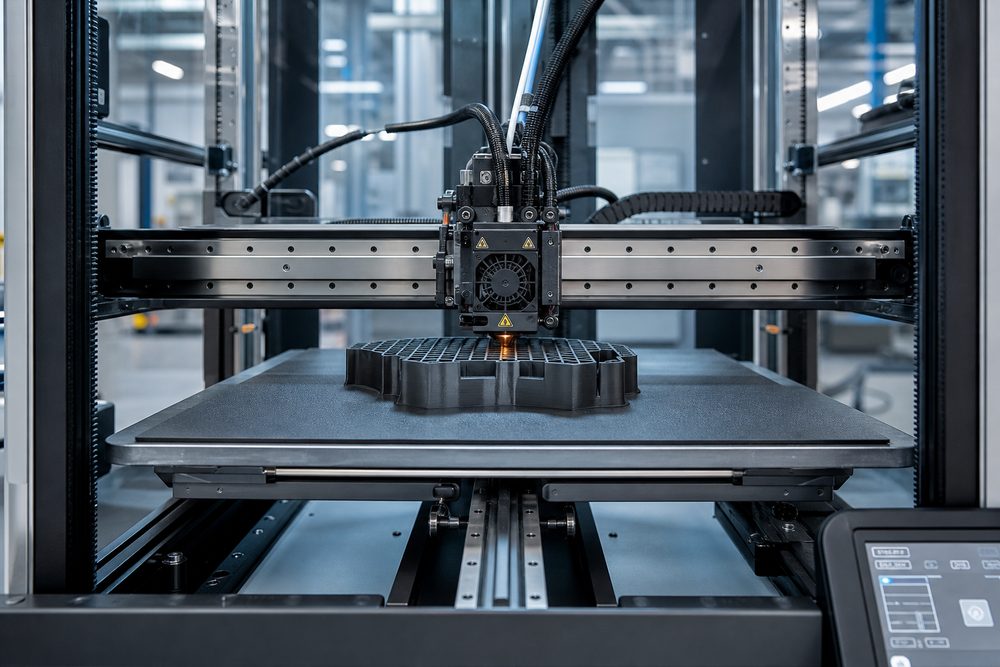
news
3D printing material selection and testing standards for rapid prototyping of automotive parts
The automotive industry has strict performance requirements for parts, and key indicators such as temperature resistance, strength, and durability need to be considered when selecting materials for 3D prototyping.
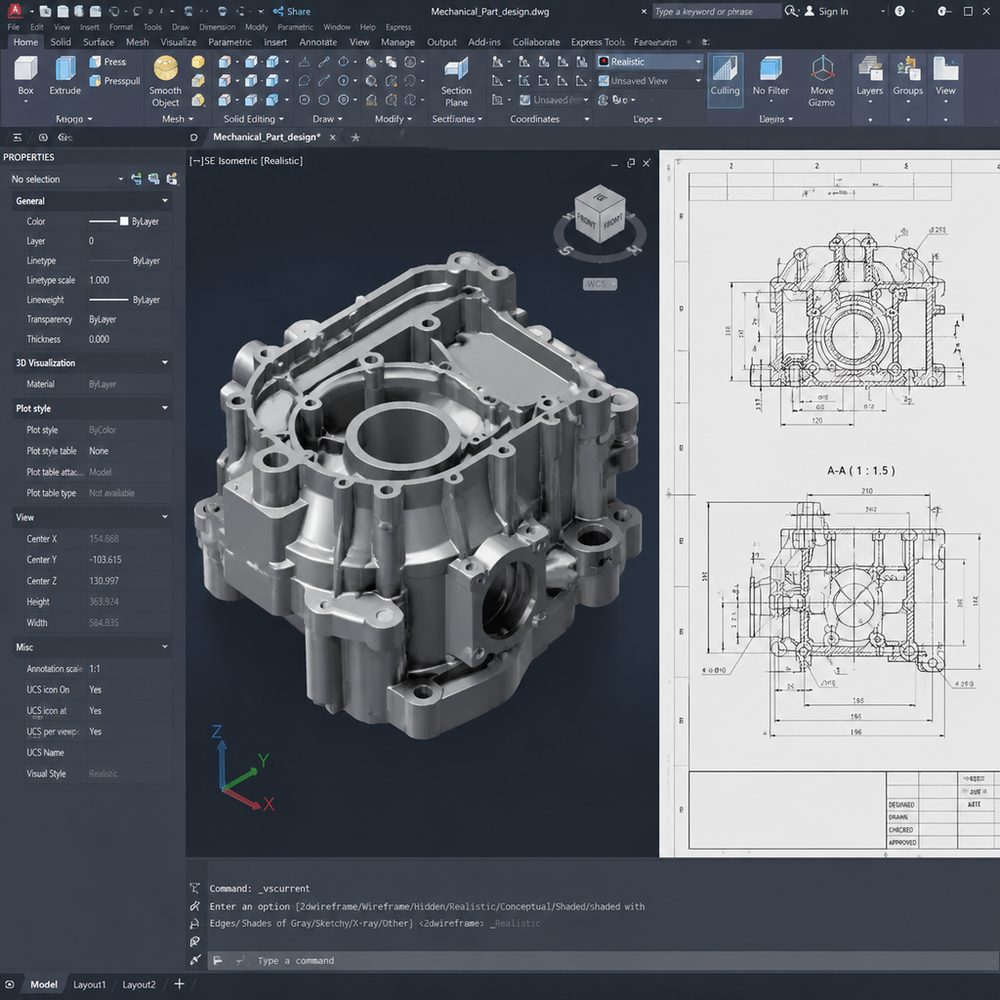
news
Rapid iterative design process for functional testware: from concept to finalization
Establishing a systematic and rapid iteration process can accelerate the product development cycle and quickly realize the transformation from concept to finalization.
news
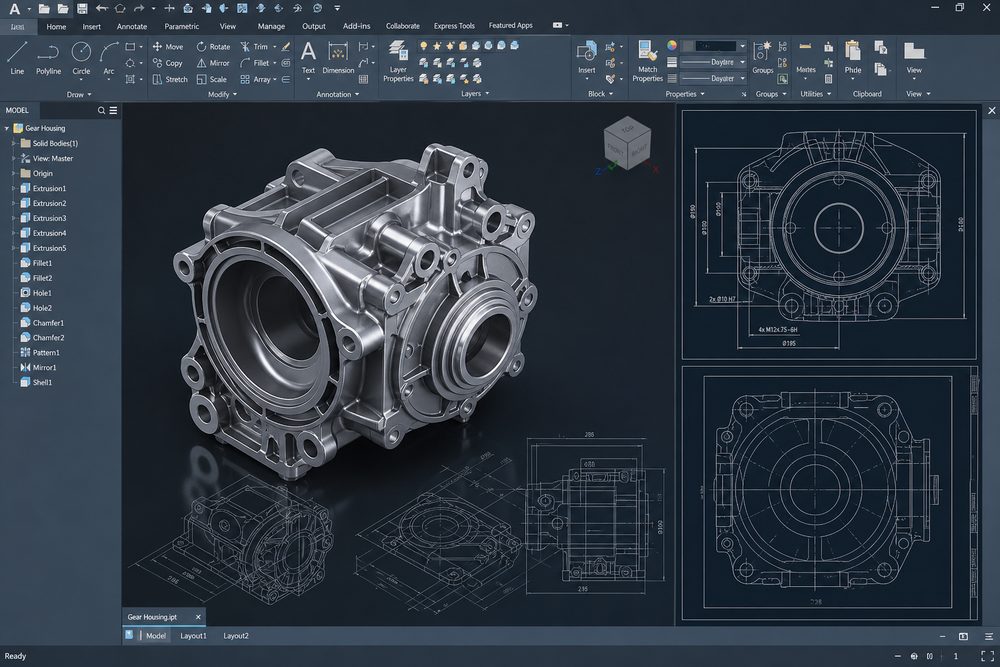
Mass production-oriented 3D printing design: Top 10 tips for reducing unit costs
Optimizing the design for mass production can significantly reduce the cost of a single piece and achieve an economic breakthrough in 3D printing from prototype to mass production.
news
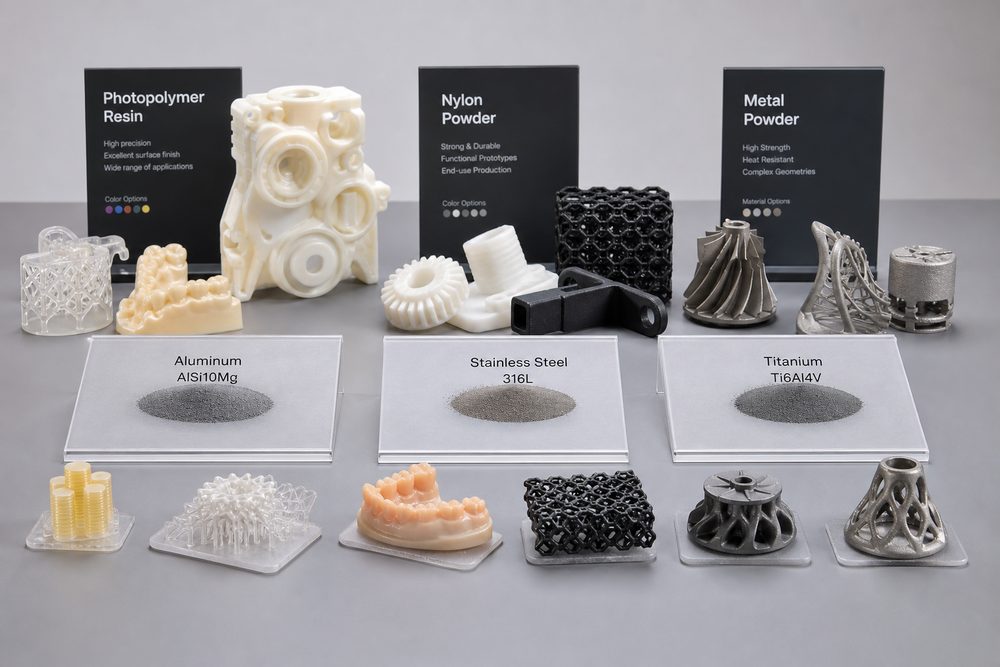
Color and performance partitioning design strategies for multi-material 3D printing
Multi-material printing technology enables different areas of a single part to have different colors and properties, expanding design possibilities.
news
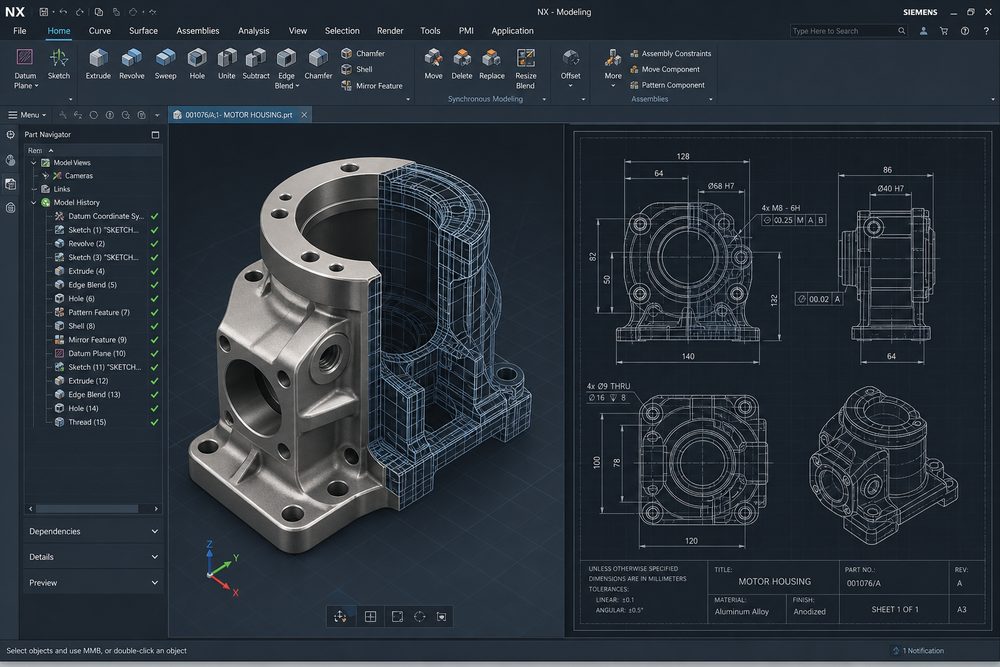
Stress concentration optimization design and fatigue life improvement of 3D printed parts
Identifying and optimizing stress concentration areas can significantly improve the fatigue life of 3D printed parts and ensure long-term reliability.
news
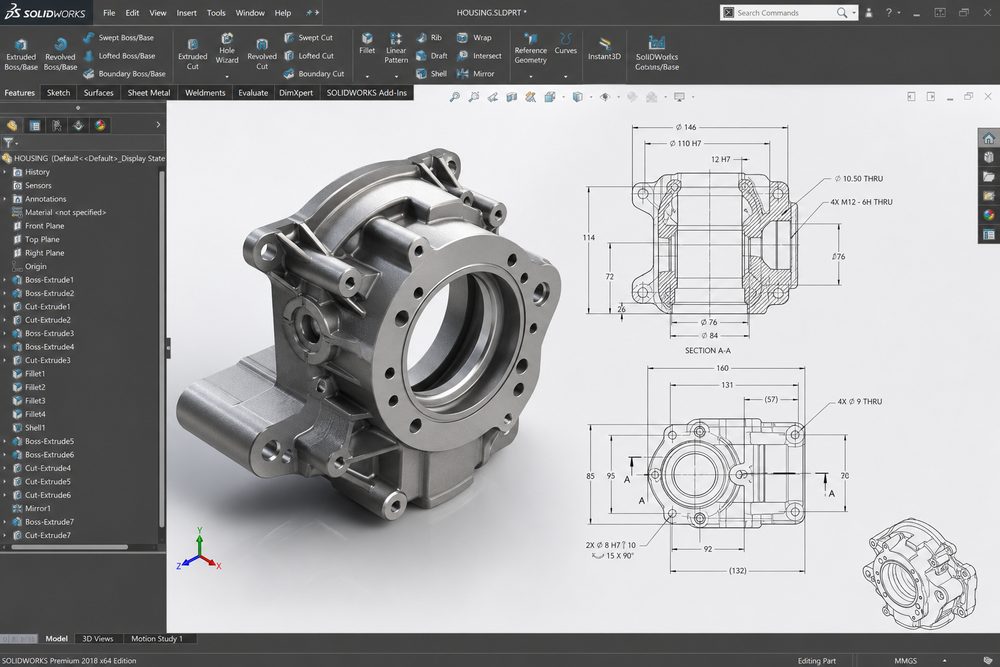
Minimum Feature Size and Detail Fidelity Design Guidelines for SLA Process
The SLA process can achieve a precision of 25 microns, but the minimum feature size needs to be reasonably designed considering material properties and post-processing feasibility.
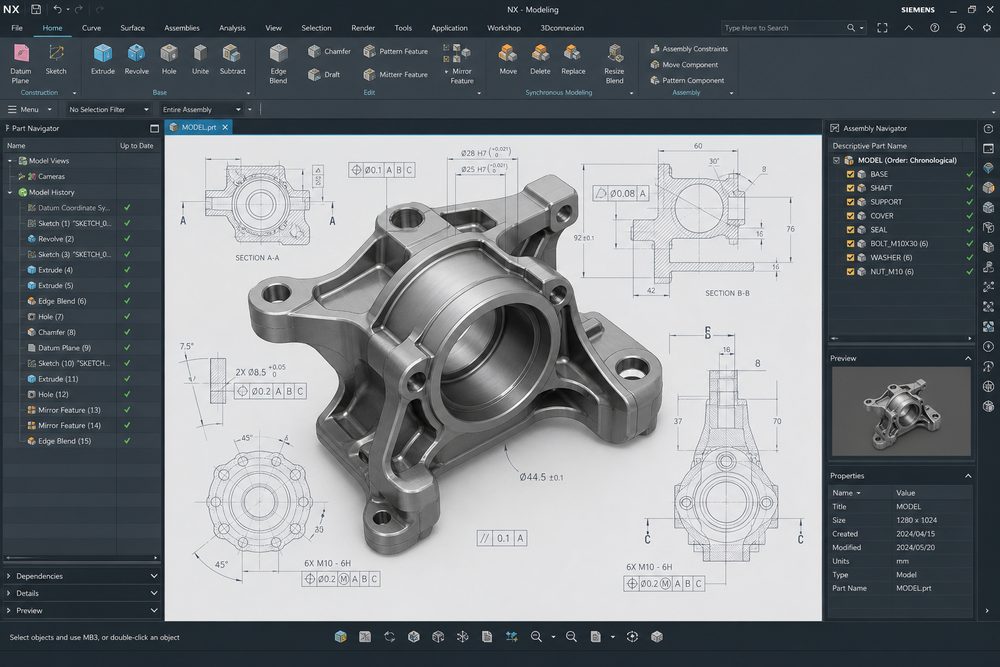
news
Thread design specifications for 3D printed parts: Selection of self-tapping threads and insert nuts
Different thread designs are suitable for different loads and disassembly frequencies, and the correct choice ensures connection reliability and service life.
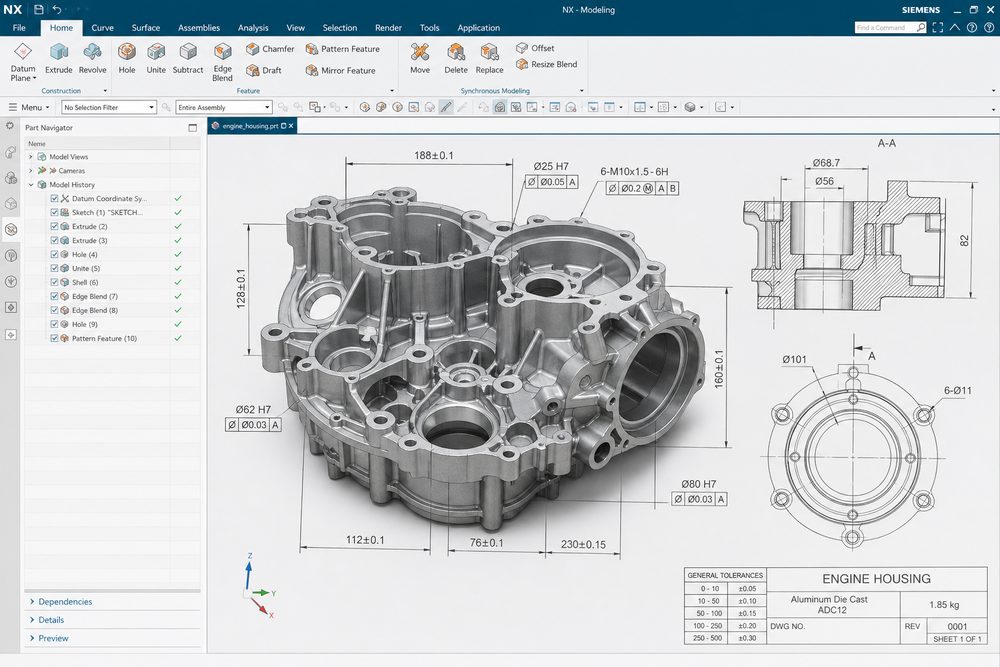
news
Wall thickness gradient design of functional integrated parts: balance between strength and weight
The wall thickness gradient design can achieve lightweight while ensuring structural strength, which is especially suitable for aerospace and automotive fields.
Start From Here
Have a model, drawing, or only an idea?
Submit your requirement and our engineers will recommend a better design and manufacturing path based on use, size, quantity, material, tolerance and lead time.