No model yet, material choice and wall thickness are explained from a practical angle.
Knowledge Center
Blueprint News
lantu3D reviews wall thickness, structure, materials, process, quantity and finishing before quotation.
01Guides
02Materials
03Customer View
Content should help customer decisions
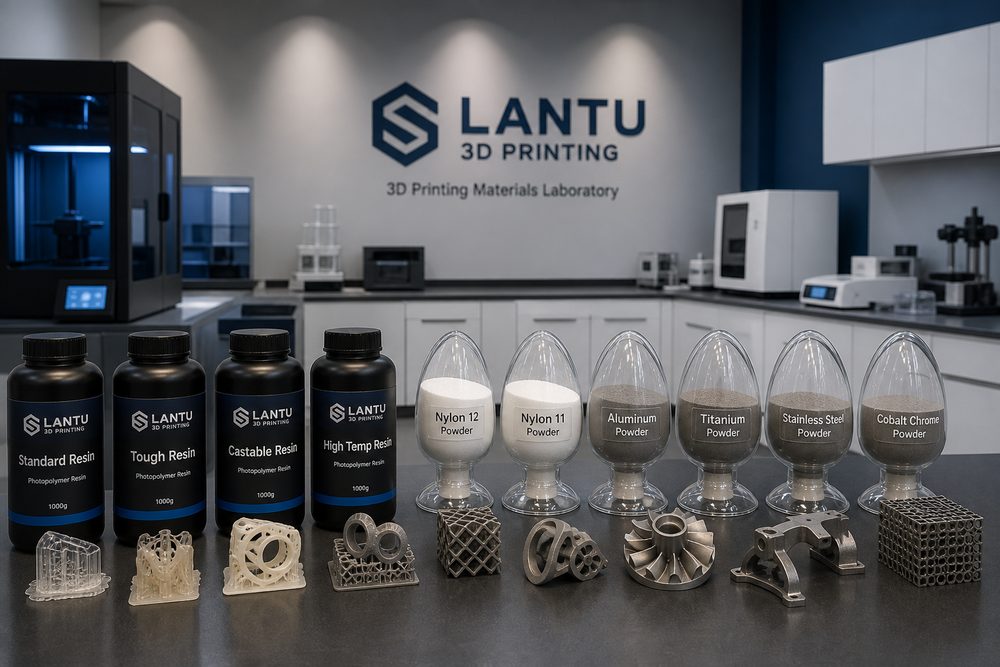
lantu3D articles focus on materials, processes, cost, modeling and manufacturability so customers understand key decisions before submitting a request.
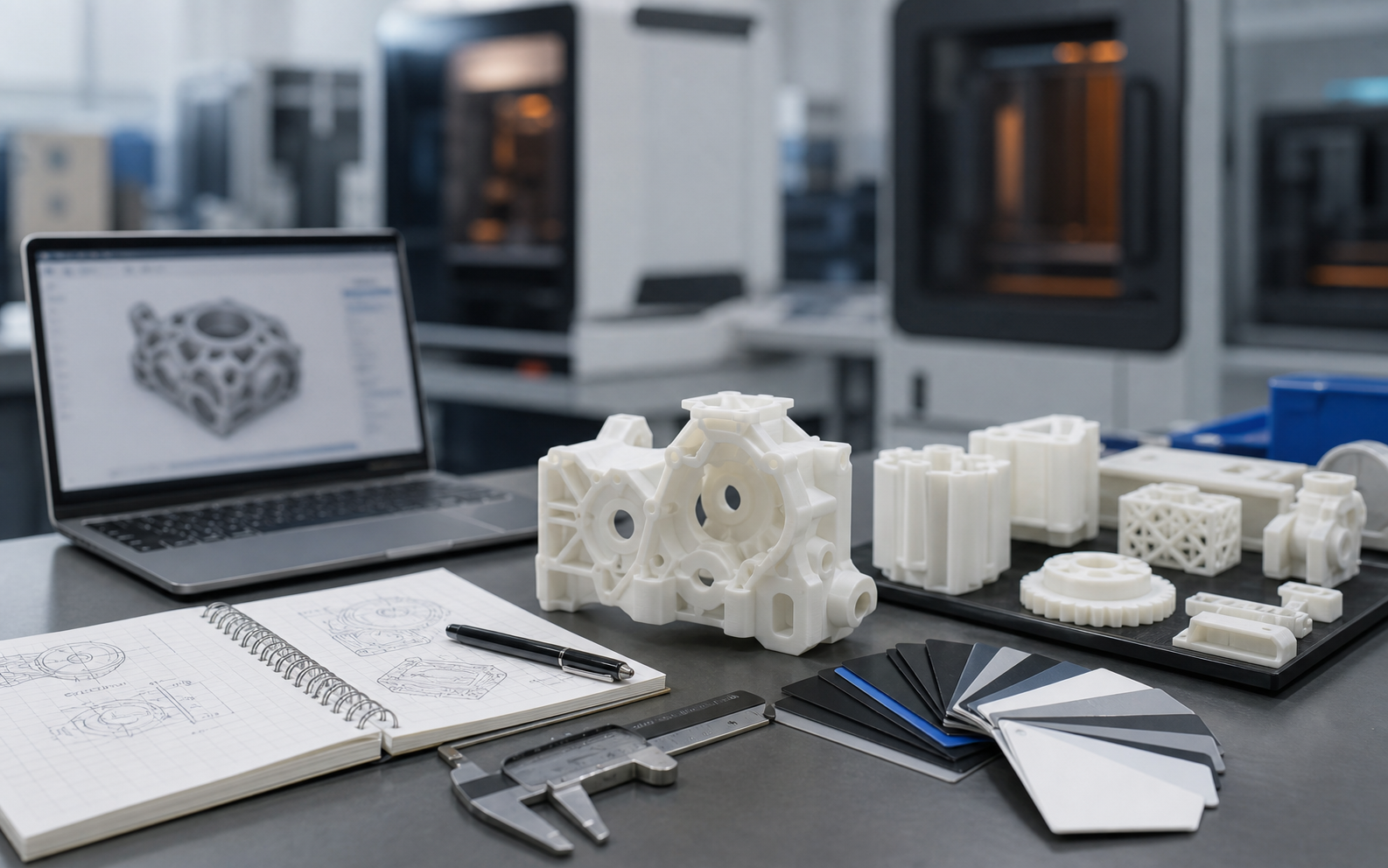
Prototype, fixture, custom part, small batch and cost-control topics for business users.
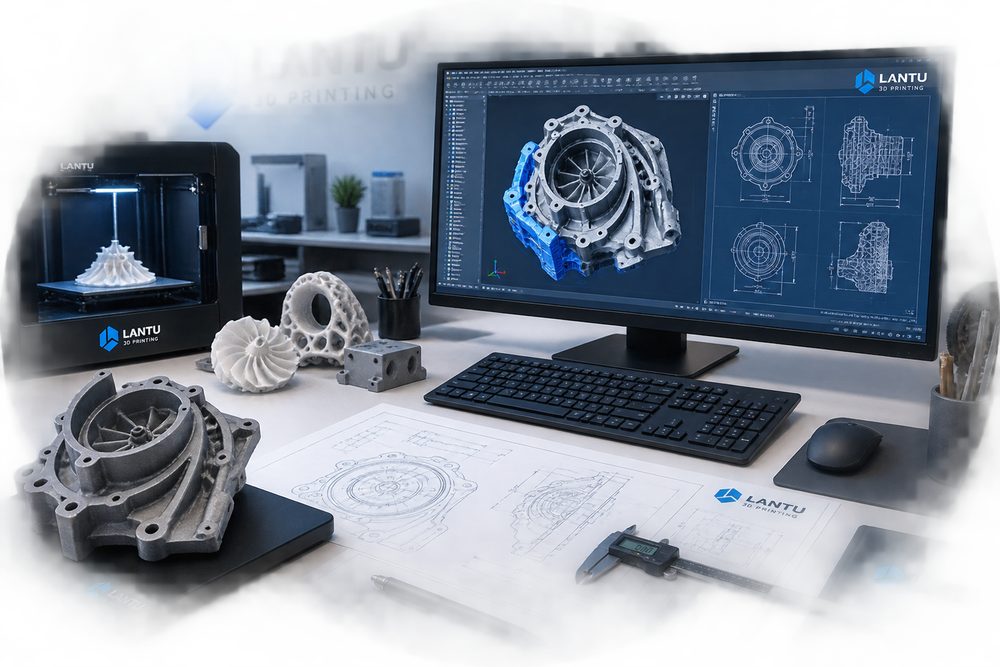
lantu3D is positioned as blueprint realization and lifecycle management, not just a print shop.
news
FDM Printing Process for TPU Elastic Materials: From Parameter Optimization to Methods for Fabricating Flexible Parts
TPU elastomeric material is an ideal choice for manufacturing flexible functional parts, but it is difficult to print. This article systematically explains the FDM printing process for TPU materials, covering material properties, printing parameter optimization, troubleshooting common issues, and post-processing methods. It also provides detailed process parameter tables and practical application cases, enabling reliable printing of high-quality TPU flexible parts.
news
Hinge Mechanism Design for 3D-Printed Parts: A Practical Method from Motion Analysis to One-Piece Printing
Integrated one-piece hinge mechanisms are a unique advantage of 3D printing. This article systematically explains hinge design methods, covering motion principle analysis, structural type selection, compliant design, and material selection strategies. It also provides hinge parameter tables for different application scenarios and practical application cases, enabling reliable assembly-free motion structures.

news
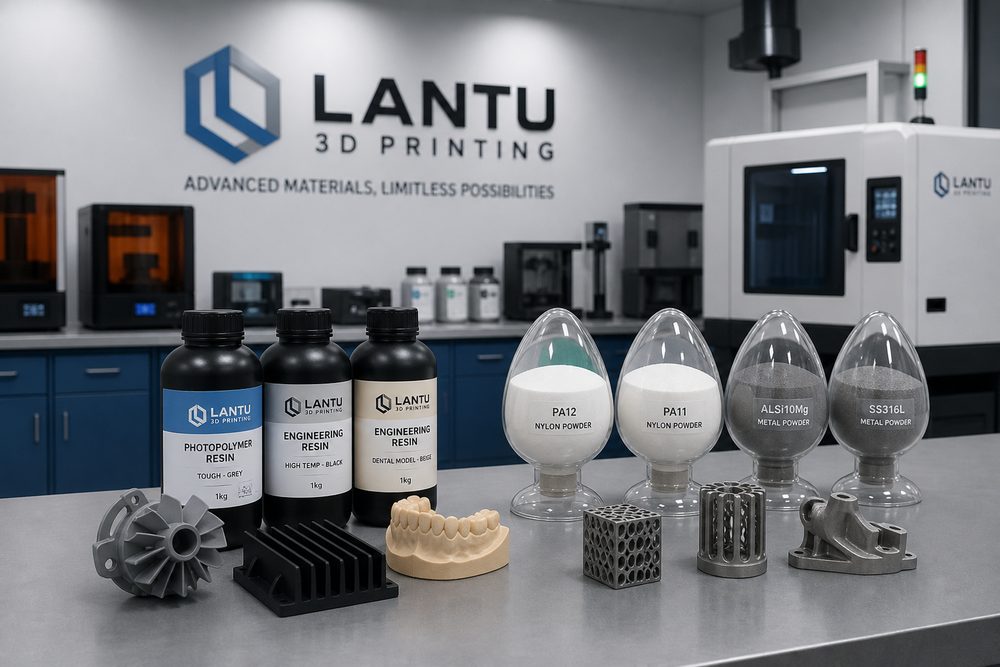
Heat Dissipation Structure Design for 3D-Printed Parts: A Systematic Approach from Thermal Management to Performance Optimization
Heat dissipation structure design is a key technology for 3D printing of heat-sensitive components and electronic devices. This paper systematically presents methods for heat dissipation structure design, covering analysis of heat dissipation principles, selection of structural types, parameter optimization design, and material selection strategies. It also provides heat dissipation parameter tables for different application scenarios and practical application cases, enabling efficient thermal management solutions.
news
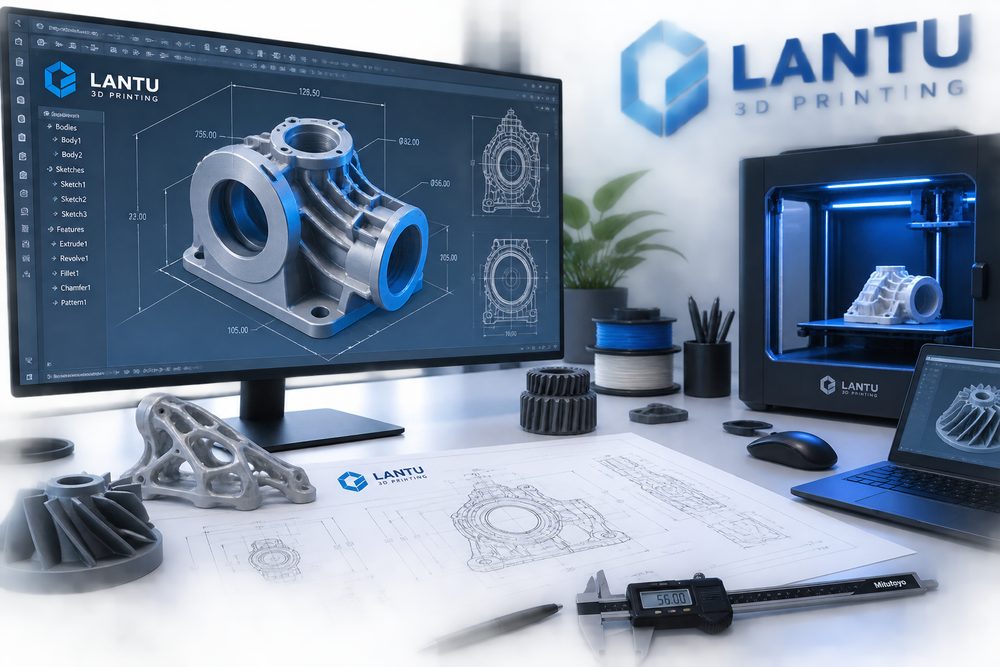
Rib Design for 3D-Printed Parts: A Structural Approach from Stiffness Enhancement to Material Optimization
Rib design is a core technology for enhancing the stiffness and strength of 3D-printed parts. This paper systematically presents rib design methods, covering principles of rib layout, cross-sectional shape optimization, material-saving strategies, and manufacturing process constraints, and provides parameter tables for ribs under different loading conditions as well as practical application cases to achieve lightweight, high-stiffness structural design.
news
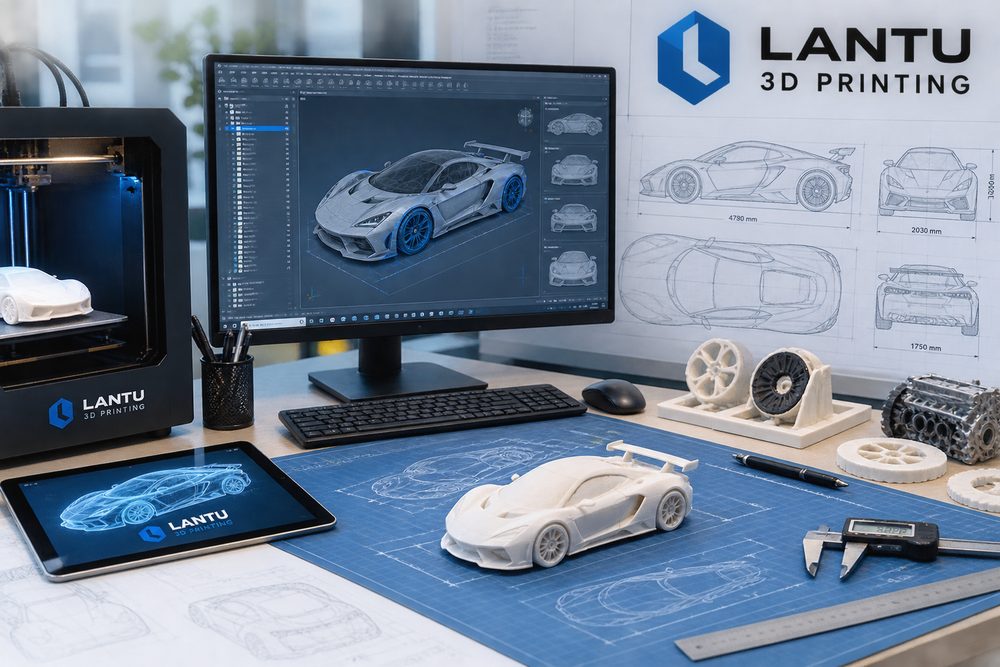
Surface Texture Design for 3D-Printed Parts: A Design Method from Functional Requirements to Aesthetic Presentation
Surface texture design is an important means of enhancing the value and functionality of 3D-printed products. This paper systematically presents surface texture design methods, covering functional textures, decorative textures, manufacturing process constraints, and design optimization strategies, and provides texture design rules and practical application cases for different processes, enabling the reliable printing of high-quality surface textures.
news
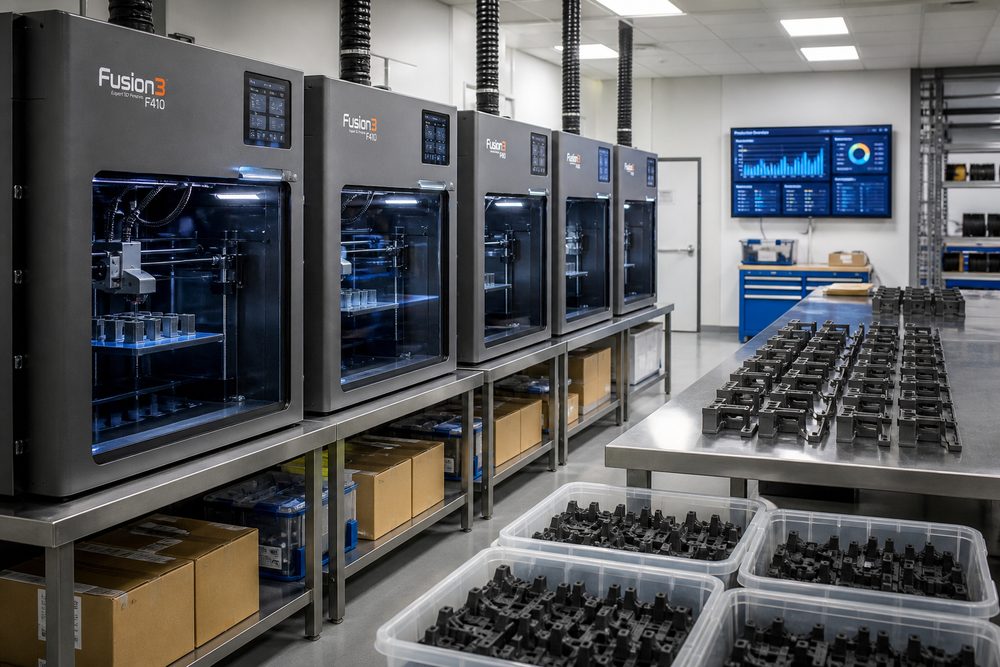
Assembly Design Guide for 3D Printed Parts: A Systematic Approach from Tolerance Fits to Assembly and Disassembly Optimization
Improper assembly design that causes parts to be impossible to assemble or to have excessive gaps is a common issue in 3D-printed parts. This article systematically explains assembly design methods, covering tolerance control principles, fit type selection, assembly/disassembly mechanism design, and wear compensation strategies, and provides assembly parameter tables for different processes along with practical application cases to achieve a reliable single-assembly structure.
news
Mass production management process of 3D printing services: systematic operation from production scheduling optimization to delivery assurance
Chaotic mass production management leads to delivery delays, quality fluctuations, and out-of-control costs, which are common pain points in 3D printing services. This article systematically explains the mass production management process, covering order merging and scheduling, process parameter solidification, process quality control, and logistics delivery optimization, and achieving efficient and stable mass production through standardized processes.
news
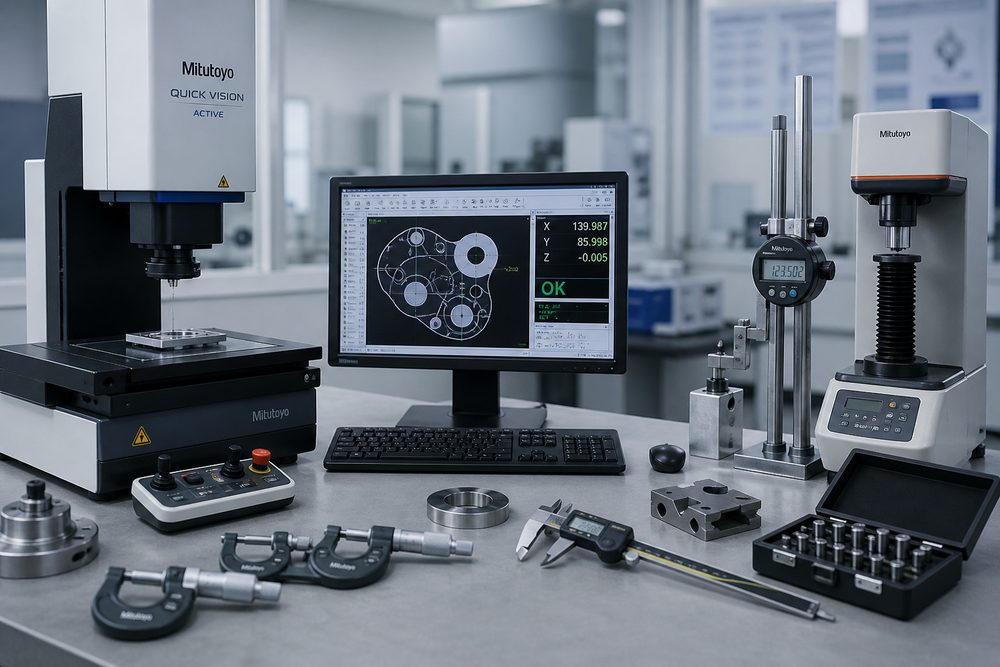
Sample inspection process for 3D printing services: quality assurance system from dimensional verification to performance testing
Missing sample inspection is the main cause of mass production quality accidents. This article systematically explains the sample testing process, covering dimensional accuracy measurement, surface quality assessment, mechanical property testing, functional verification methods, and achieving first article confirmation and quality risk control through standardized testing processes.

news
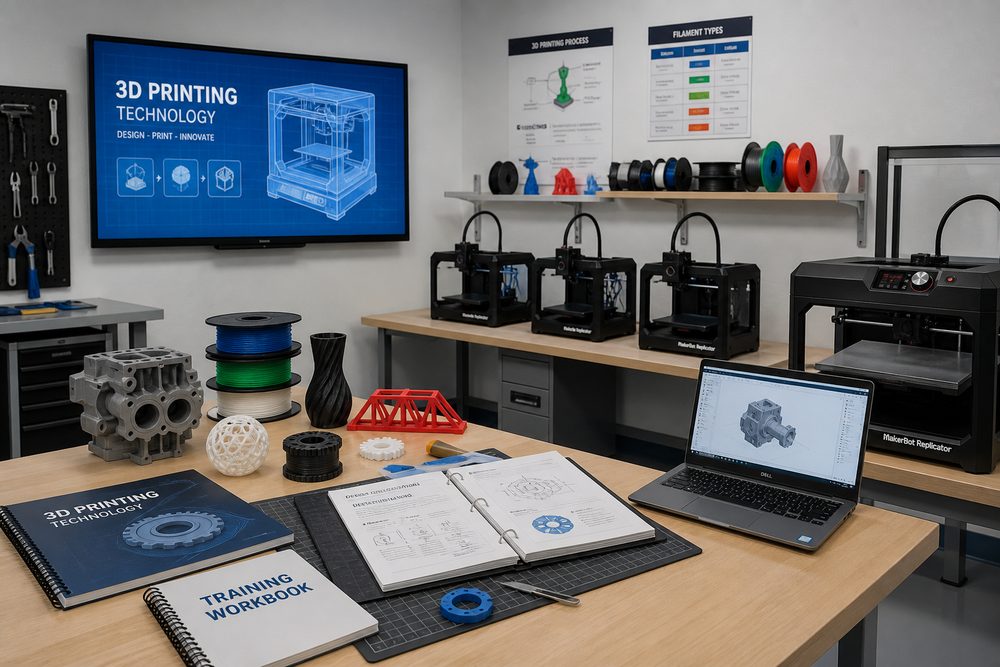
Customer demand analysis process for 3D printing services: from demand mining to precise matching of technical solutions
Misunderstanding of customer needs is the main reason for rework of 3D printing projects and customer loss. This article systematically explains the customer demand analysis process, covering demand information collection, technical feasibility assessment, cost-benefit analysis, and solution matching recommendations, to achieve accurate demand matching and improve customer satisfaction through standardized processes.
news
3D Printing Enterprises' Technical Talent Pipeline Development: A Talent Strategy from Skills Training to Career Development
A shortage of technical talent and a high turnover rate are the core bottlenecks limiting the development of 3D printing companies. This article provides an in-depth analysis of a technical talent pipeline development plan, covering the skills training system, career development paths, incentive mechanism design, and knowledge transfer mechanisms, with the aim of building a high-quality technical team through a systematic talent strategy.

news
Refined Cost Accounting for 3D Printing Enterprises: Precise Calculation from Material Consumption to Indirect Costs
Coarse cost accounting leads to quotation error rates as high as 20%, compressing corporate profit margins. This article systematically explains the construction of a refined cost accounting system, covering material consumption tracking, equipment hour allocation, labor cost accounting, and indirect expense allocation, and demonstrates how accurate accounting enables scientific pricing and profit protection.

news
Production Anomaly Handling in 3D Printing Enterprises: A Management Mechanism from Early Warning Detection to Rapid Response
Downtime caused by delays in handling production exceptions accounts for as much as 15%, severely affecting delivery efficiency. This article provides an in-depth analysis of building a production exception handling mechanism, covering anomaly early-warning identification, tiered response procedures, root cause analysis methods, and preventive improvement measures, using systematic management to reduce the impact of exceptions and ensure production continuity.
Start From Here
Have a model, drawing, or only an idea?
Submit your requirement and our engineers will recommend a better design and manufacturing path based on use, size, quantity, material, tolerance and lead time.