Aerospace 3D printing application characteristics
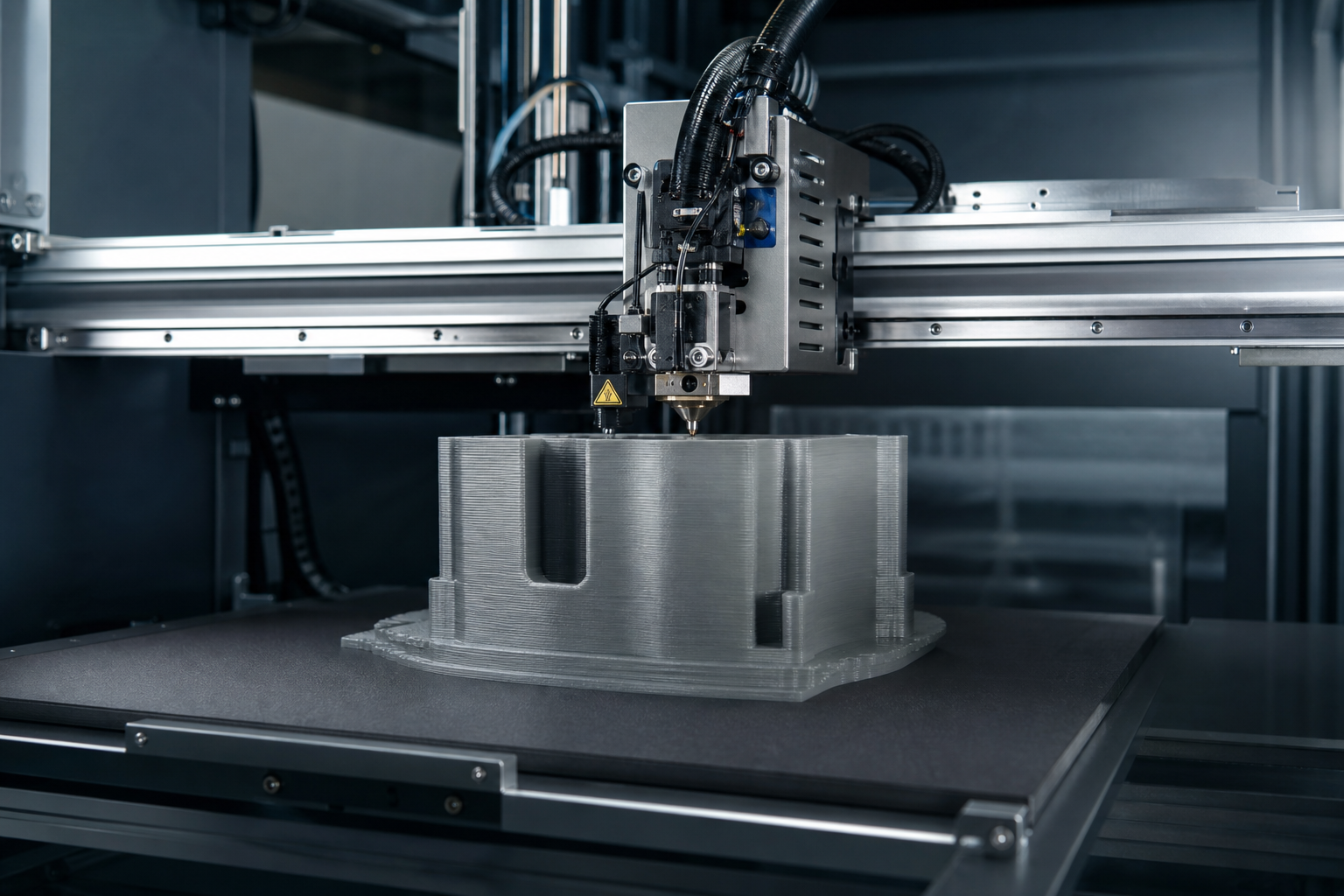
Aerospace is the most challenging and valuable field for the application of 3D printing technology. Aviation parts are extremely sensitive to weight, and lightweight design is an eternal pursuit. Traditional manufacturing processes are limited by tool paths and mold shapes, making it difficult to manufacture complex structures. 3D printing technology breaks through the limitations of traditional processes and can realize the manufacturing of advanced design concepts such as topology optimization, lattice structure, and integrated design. Aerospace parts have extremely high requirements on material performance, manufacturing precision, and quality stability, and any defects may lead to catastrophic consequences. Therefore, the aerospace field has established strict process certification and quality control systems for 3D printing technology.
Material Certification and Traceability System
3D printing materials used in aerospace require strict material certification. The first is material performance testing, including chemical composition analysis, mechanical property testing (tensile, compression, bending, impact, fatigue, etc.), and physical property testing (density, hardness, conductivity, etc.). The second step is process applicability verification to verify the printing performance and part performance of the material under the target process parameters. The third is batch consistency verification to ensure that the material performance of different batches is stable. The material traceability system requires that each batch of materials has a unique identification, and the entire process from raw material procurement, warehousing, use to parts manufacturing is traceable. Material storage requires controlled environmental conditions to prevent material degradation or contamination. The recycling of materials also needs to be strictly controlled, and a use limit and performance monitoring mechanism should be established.
Process parameter certification process
3D printing process parameter certification is the key to ensuring stable part quality. The qualification process usually includes: parameter development, determining the optimal process parameter window through design of experiments (DOE). Parameter locking determines the certification parameter range, and any changes require re-certification. Part trial production, printing a certain number of trial parts under certified parameters. Performance testing: conduct comprehensive performance testing on prototype parts, including size, density, mechanical properties, non-destructive testing, etc. Statistical process control (SPC) establishes process capability evaluation indicators to ensure process stability. Process certification must be carried out in accordance with aerospace quality management system requirements such as AS9100, and certification documents must be submitted to customers or regulatory agencies for review and approval. Any parameter changes after certification are subject to a change control process.
Quality testing and non-destructive testing
Quality testing of aerospace 3D printed parts includes destructive testing and non-destructive testing. Destructive testing is used for process certification and batch sampling inspection, including mechanical property testing, metallographic analysis, chemical composition analysis, etc. Non-destructive testing is a must-inspection item for every piece in mass production. Commonly used methods include: industrial CT to detect internal pores, cracks, inclusions and other defects. Ultrasonic testing to detect large-area internal defects. Penetrant inspection to detect surface opening defects. X-ray inspection detects internal defects in specific parts. Dimensional inspection, using a coordinate measuring machine or optical scanner to measure part dimensions. The test results need to be compared with the acceptance standards, and unqualified products need to be reviewed and dealt with.
Design approval and airworthiness certification
Aviation parts must obtain airworthiness certification before they can be installed and used. Design approval requires submission of parts design drawings, material specifications, process procedures, test reports and other documents to prove that the design meets airworthiness requirements. Manufacturing approval requires proof that manufacturing capabilities can stably produce parts that meet the design. Parts airworthiness certification is a complex process that requires close cooperation between the applicant and the airworthiness authority. As an emerging manufacturing technology, 3D printing has relatively limited experience in airworthiness certification, and more application cases and data need to be accumulated. It is recommended to communicate with the airworthiness authority in the early stages of the project to clarify certification requirements and paths to avoid later rework.
Submit a model, drawing, image or written notes. Engineers will review material, process, finishing and delivery based on actual use.