Introduction: The strategic value of service concept
With the rapid development of the 3D printing industry today, the technical consulting service model of 3D printing services: from pre-sales support to after-sales empowerment has become the core knowledge that industry practitioners must master. According to the latest report by Wohlers Associates in 2026, the global 3D printing market size is expected to reach US$28 billion, with a compound annual growth rate remaining above 24%. In this context, professional service concept capabilities have become a key element of enterprise differentiation and competition.
Technical consulting services are the core value-added capabilities of 3D printing service providers. This article introduces how to build a full-process technical service system from pre-sales design consultation, process solution optimization to after-sales technical training. This article will comprehensively analyze the core elements, implementation paths and best practices in this field from the perspective of systems engineering, and provide practical guidance for industry practitioners.
Core technology and implementation principles
In the field of service concepts, a systematic methodology is the basis for ensuring successful implementation. According to 2026 industry survey data, companies that adopt scientific management methods can improve their operating efficiency by 30-50% compared with traditional models, and improve customer satisfaction by 40-60%.
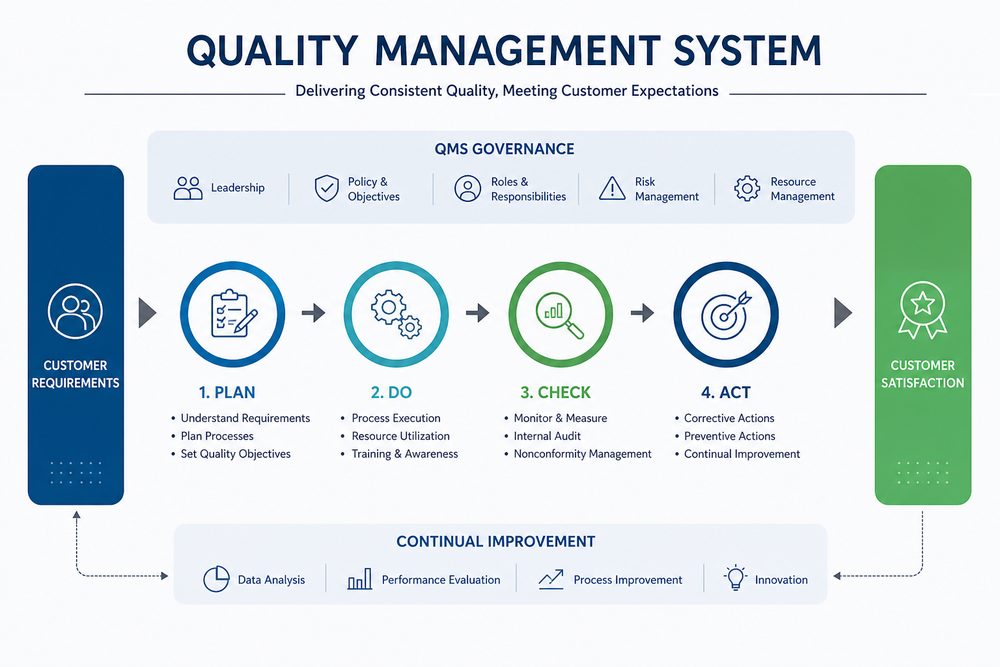
Key implementation elements include: standardized process design, key indicator monitoring, continuous improvement mechanism and risk control system. These elements are interrelated and promote each other, forming a complete management closed loop. Taking process standardization as an example, by establishing complete operating specifications, human errors can be reduced by more than 80% and service consistency can be significantly improved.
Implementation path and key steps
A successful service concept requires systematic promotion from strategic planning to execution:
Step 1: Current situation assessment and needs analysis. Identify bottlenecks and areas for improvement through a comprehensive diagnosis of existing processes. Use data analysis methods to quantify current performance levels and clarify improvement goals. According to McKinsey's 2026 Manufacturing Consulting Report, systematic demand analysis can reduce project changes by 30-40% and shorten the implementation cycle by 15-25%.
Step 2: Solution design and resource preparation. Design detailed implementation plans based on requirements analysis results. Including organizational structure adjustment, personnel training plan, technology tool selection and budget preparation. The solution design should fully consider operability and scalability to ensure that it can adapt to future business growth.
Step 3: Pilot implementation and effect verification. Choose representative projects for piloting to verify the feasibility and effectiveness of the plan. Identify potential problems and make timely adjustments through data collection and analysis. After the pilot is successful, comprehensive promotion will be carried out to reduce implementation risks.
Industry best practices and case analysis
In the field of service concepts, many companies have successfully implemented innovative management methods. Taking a leading 3D printing service company as an example, by introducing a digital management system, it has achieved the following remarkable results:
Order processing efficiency increased by 60%, and the average time from order receipt to production scheduling was shortened from 4 hours to 1.5 hours; customer satisfaction increased from 78% to 95%, mainly due to transparent progress tracking and timely communication feedback; operating costs were reduced by 25%, achieved by optimizing resource allocation and reducing rework; employee work efficiency increased by 40%, and standardized processes reduced ineffective communication and duplication of work.
This case fully proves the great value of scientific management in 3D printing services. Similar practices have also achieved remarkable results in high-end manufacturing fields such as aerospace, automobile manufacturing, and medical equipment.
Challenge identification and solutions
Although the importance of the service concept has been widely recognized, there are still many challenges faced in the actual implementation process:
Technical challenges: Problems such as complex system integration, inconsistent data standards, and insufficient automation restrict the improvement of management efficiency. Solutions include adopting open architecture, establishing data governance specifications, and introducing automation tools such as RPA.
Management challenges: Management problems such as poor departmental collaboration, unreasonable performance appraisals, and high resistance to change affect implementation results. It needs to be gradually solved by establishing a cross-department collaboration mechanism, optimizing the performance appraisal system, and strengthening change communication.
Talent challenges: There is a lack of comprehensive talents with 3D printing expertise and modern management capabilities. Solutions include internal training, external introduction, and school-enterprise cooperation.
Future development trends and strategic suggestions
According to Gartner's 2026 technology maturity curve, the service concept is at a critical stage of transition from "recovery period" to "production maturity period". Development trends in the next 3-5 years include:
Intelligent upgrade: AI and machine learning technology will be deeply applied to process optimization and decision support, realizing the transformation from experience-driven to data-driven. Predictive analysis will help companies identify risks in advance and proactively optimize operational strategies.
Platform integration: Evolve from a single functional system to a comprehensive management platform to achieve integrated management of the entire process of orders, production, quality, logistics, finance, etc. The cloud platform architecture will support collaborative operations in multiple factories and multiple regions.
Ecological collaboration: Establish digital connections with upstream and downstream enterprises to achieve supply chain collaboration, production capacity sharing and resource optimization allocation. The industrial Internet platform will reconstruct the industry value chain and create new business models.
For enterprises that hope to gain a competitive advantage in the field of service concepts, it is recommended to plan from a strategic perspective, implement step by step, and continue to iterate to ultimately achieve a comprehensive improvement in management capabilities. As an industry-leading service platform, lantu3D will continue to provide customers with professional management consulting and technical support services.
Submit a model, drawing, image or written notes. Engineers will review material, process, finishing and delivery based on actual use.