3D printing assembly gap design standards: shaft hole fit and sliding tolerance guide
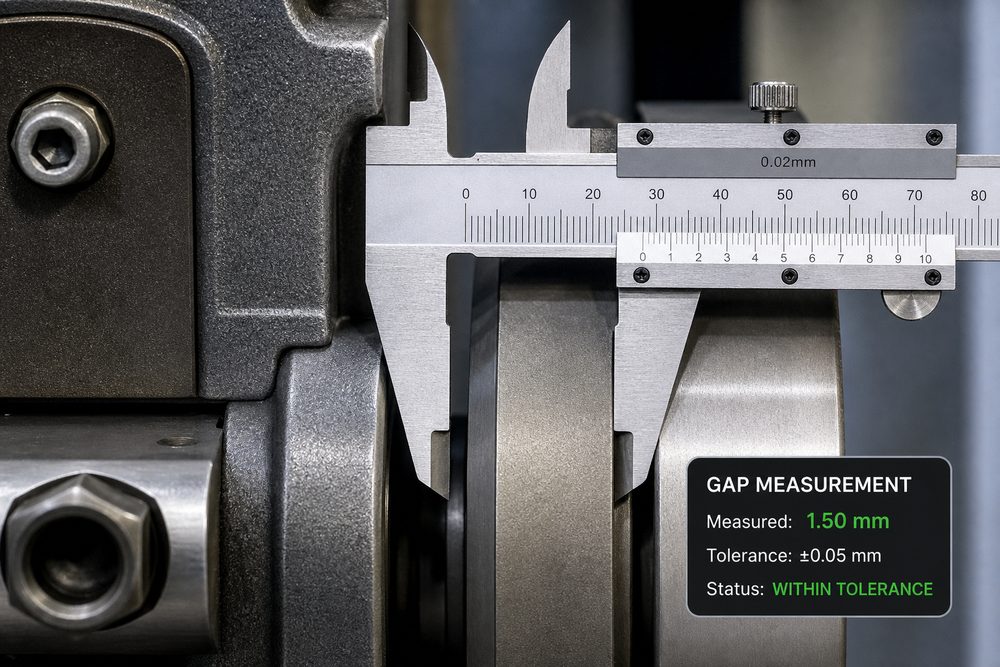
Introduction: Assembly accuracy determines the success or failure of the product In industrial applications of 3D printing, parts are rarely used alone and most need to be assembled with other parts. The design of assembly clearance directly determines the assembly efficiency, smoothness of movement and long-term reliability of the product. Compared with traditional CNC machining, 3D printing has different accuracy characteristics - it is generally more accurate in plane dimensions, but has inherent errors in the Z-axis (layer thickness direction). This anisotropic precision characteristic makes the direct application of traditional machining gap standards often lead to assembly failure. This article will provide a set of applicable...
Submit a model, drawing, image or written notes. Engineers will review material, process, finishing and delivery based on actual use.